


| DGRL 2014/68/EU (PED Pressure Equipment Directive) | |
| TA - Luft TÜV-Test-No. 922-9241371 |


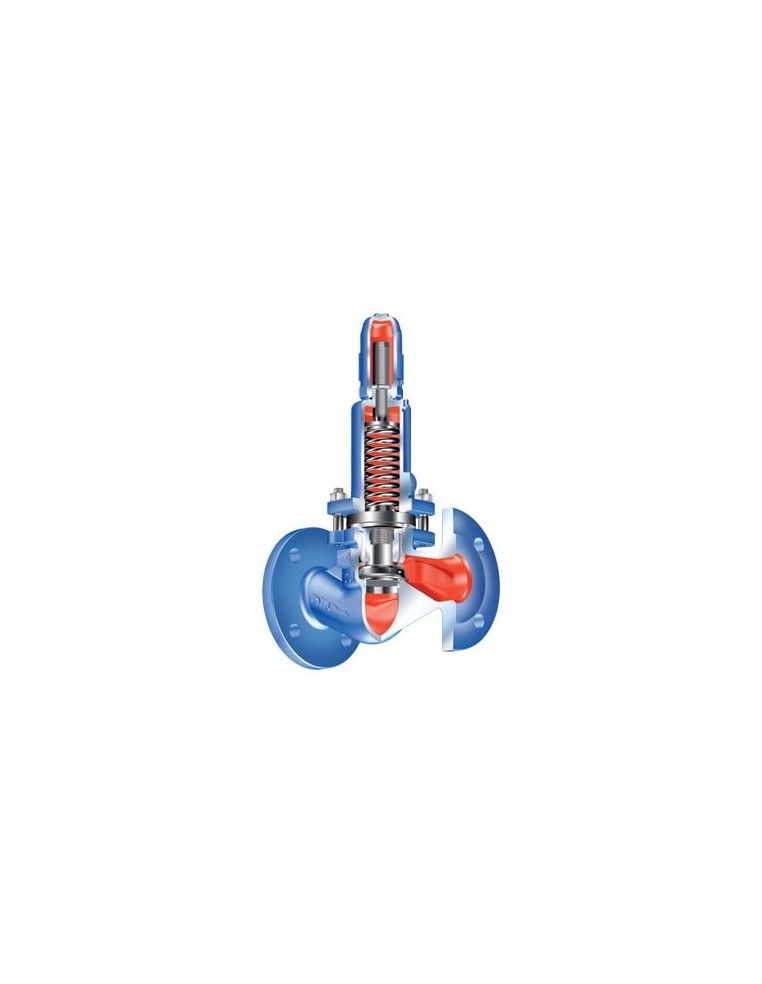
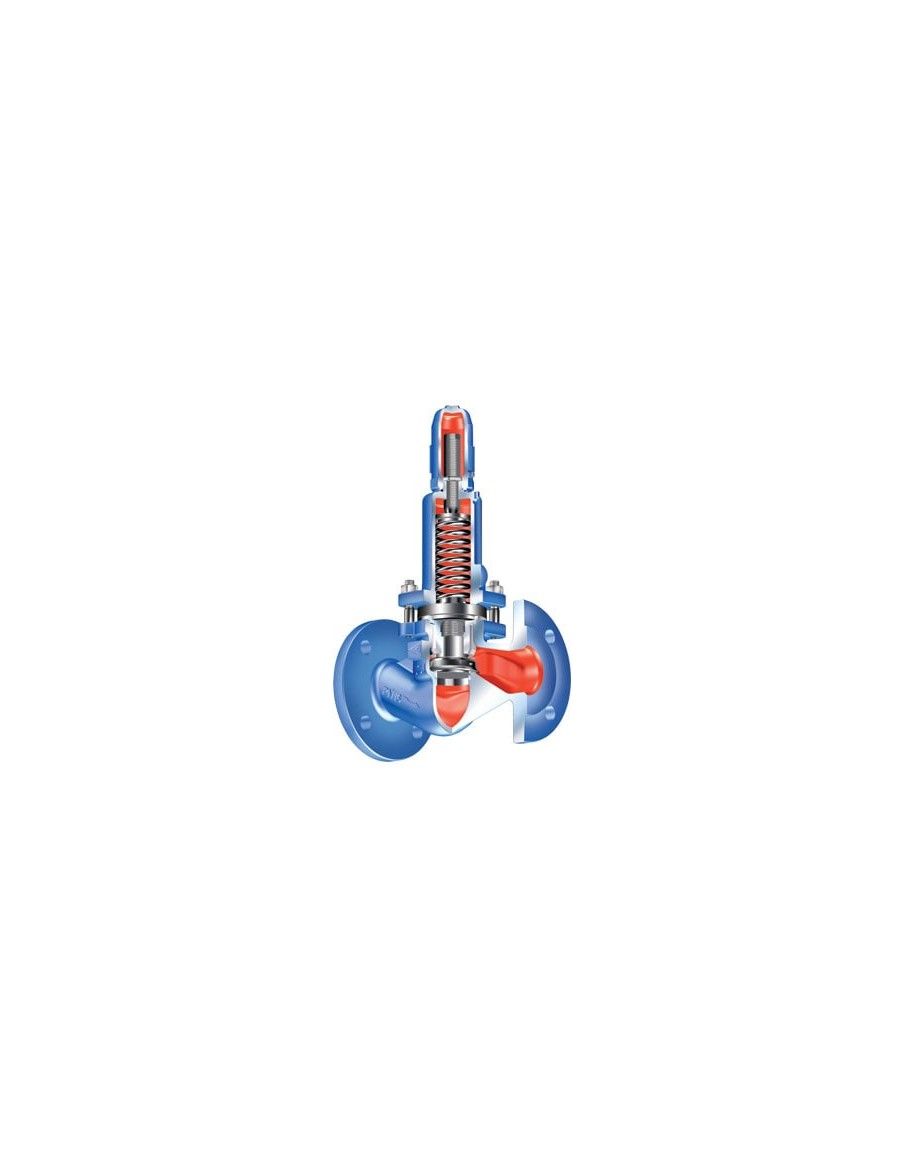
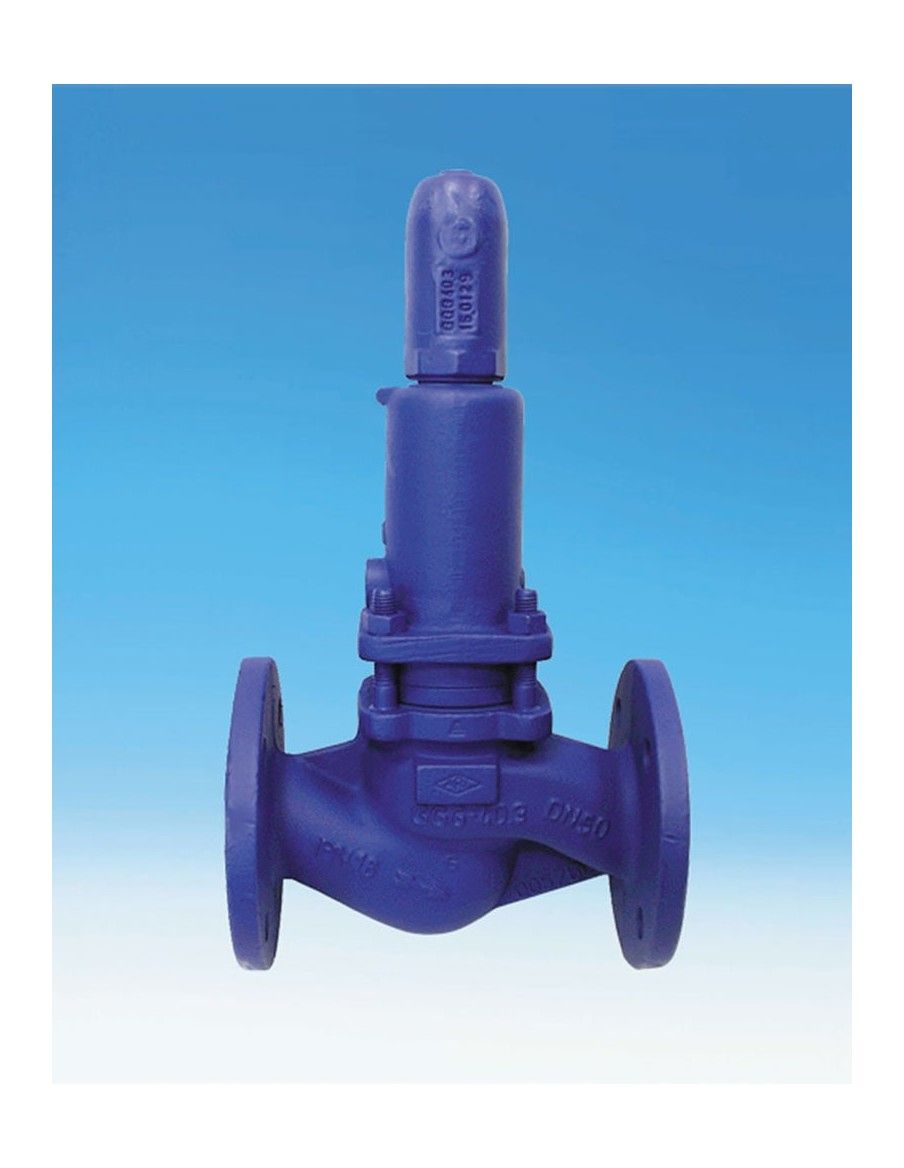
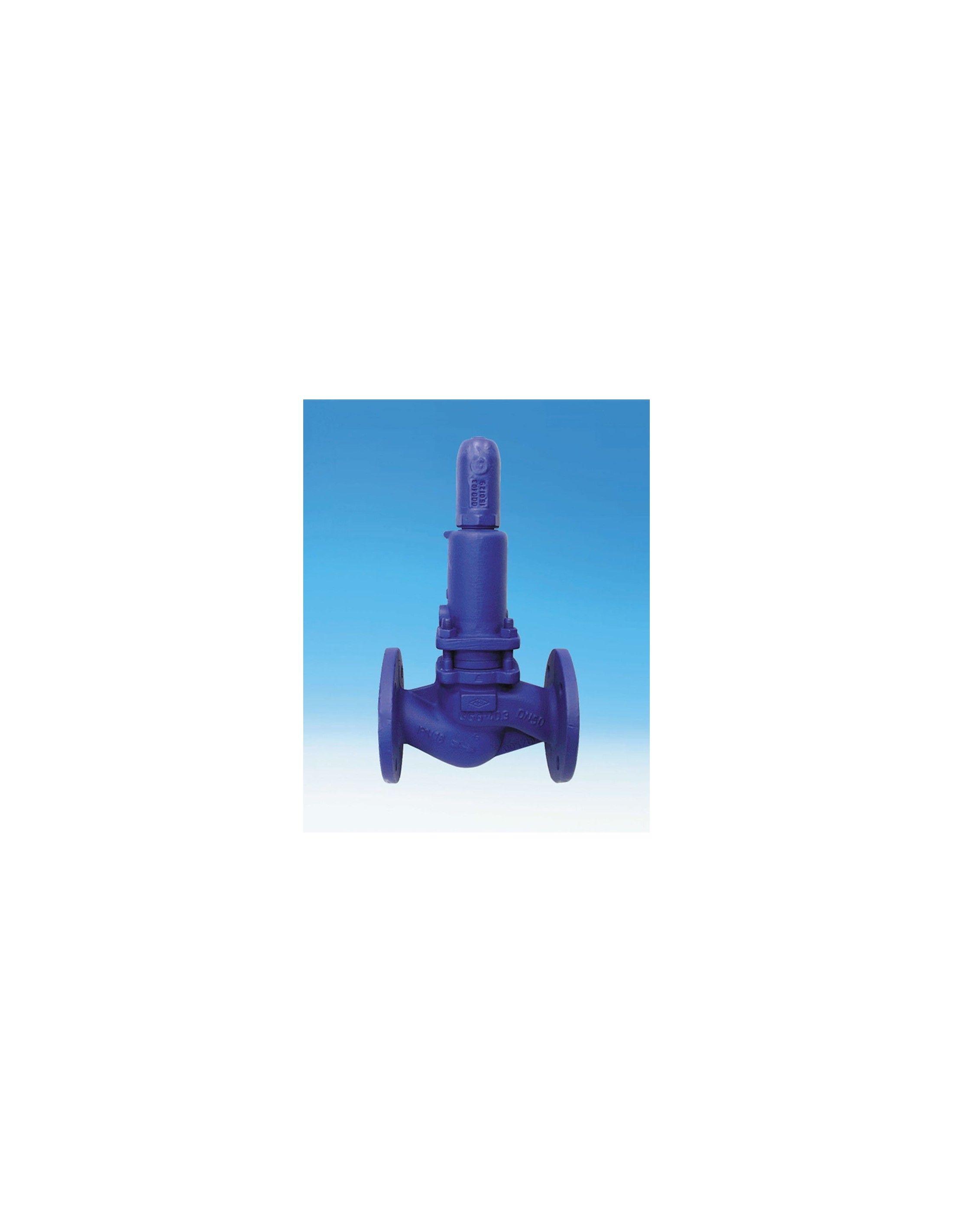
Pressure regulating valve - PRESO | ARI

ARI-PRESO Differential Pressure Control and Regulating Valve
The ARI-PRESO is a self-acting differential pressure control valve designed for hydraulic and industrial piping systems where a constant differential pressure must be maintained regardless of flow fluctuations or system load changes. Operation is based on a spring-loaded mechanism with a proportional flow characteristic, enabling continuous and stable regulation.
Technical Specifications
- Type: Differential pressure maintaining/regulating valve
- Connection: Flanged
- Standard: DIN
- Pressure class: PN16
- Nominal sizes: DN15 to DN100
- Setpoint ranges:
- 0.5 – 1.5 bar
- 1.0 – 3.0 bar
- 2.0 – 5.0 bar
- 4.0 – 10.0 bar
- Leakage class IV per DIN EN 1349
- Setpoint adjustment via external spring preload screw
Construction Materials
Depending on media compatibility and corrosion requirements, available body materials include:
- EN-JL1040 (GG25) cast iron
- EN-JS1049 ductile iron
- 1.0619+N cast steel
- 1.4408 stainless steel
Sealing and Maintenance
The valve features bellows sealing, isolating the regulating mechanism from the process fluid. This design reduces external leakage and minimizes preventive maintenance requirements.
Industrial Applications
Pump Protection
Used in bypass lines to maintain minimum required flow and prevent operation under low-flow conditions.
Heat Exchangers
Maintains stable differential pressure in heating, cooling, and thermal oil circuits, supporting consistent heat transfer.
Distribution Networks
Limits unwanted pressure fluctuations in extended water and industrial fluid networks.
Condensate Systems
Assists in pressure balancing and control of condensate return networks.
Certifications and Standards
- PED 2014/68/EU (Pressure Equipment Directive)
- TA-Luft
- Flanges per DIN EN 1092-1 / EN 1092-2
FAQ
When is a differential pressure valve selected?
When a stable ΔP between two points in a network is required, independent of load or flow variations.
Which media are suitable?
Water, heating and cooling circuits, thermal oil, and other compatible industrial fluids, depending on selected body and trim materials.
How is the valve size selected?
Selection is based on required flow rate, desired differential pressure, and the valve’s Kvs value.
Datasheet and documents
Tests and Certification
Tap to zoom