
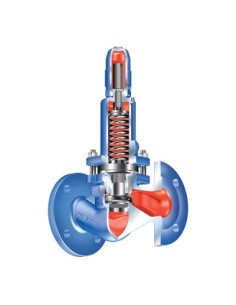
Differential Pressure Regulating Valves
Differential pressure control valves are used in heating, cooling, HVAC, water circuits, and industrial utility systems where a stable Δp must be maintained between two points in the installation. Their function is to limit pressure variation caused by load changes, closure of thermostatic valves, operation of variable-speed pumps, or uneven flow distribution across risers and branch circuits.
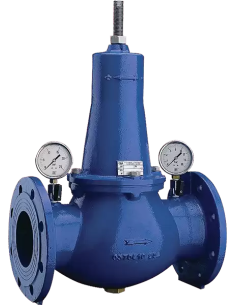
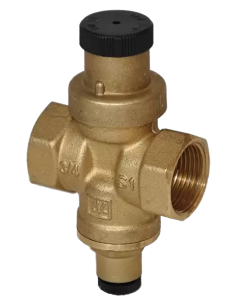
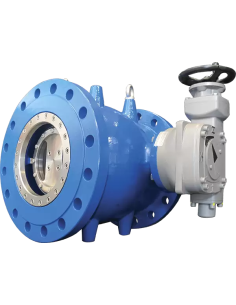
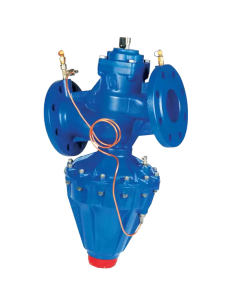
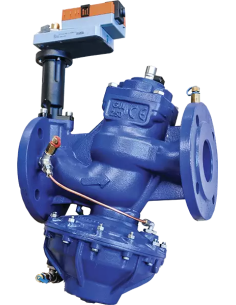
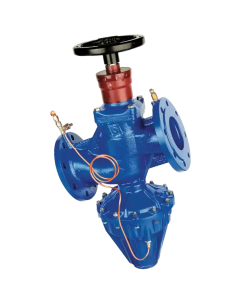
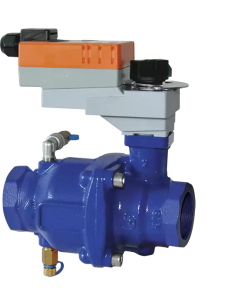
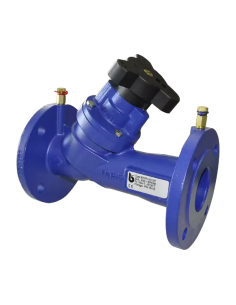
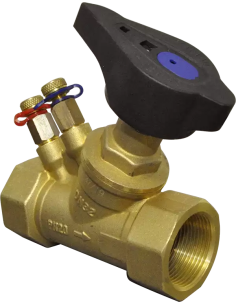
This category includes ARI PRESO and Brandoni F15, T15, 12.000/13.000, 14.000, Ekoflux D, Ekoflux PI, Ekoflux M, Ekoflux PI040/PI050, Ekoflux S, and Ekoflux SVO valves. Available versions cover flanged or ISO 228-1 threaded connections, DIN execution, pressure classes PN 10, PN 15, PN 16, PN 20, PN 25, PN 40, and PN 64, and body materials such as GG25, ductile iron, 1.0619+N carbon steel, 1.4408 stainless steel, CW617N brass, and DZR brass.
ARI PRESO is a spring-loaded straight-through differential pressure valve with flanged ends, available in DN15-DN100 and PN16. Body materials include EN-JL1040, EN-JS1049, 1.0619+N, and 1.4408. Stated control ranges include 0.5-1.5 bar, 1-3 bar, 2-5 bar, and 4-10 bar. Leakage is specified as Class IV to DIN EN 1349. Typical duties include pump bypass lines, heat exchangers, thermal oil circuits, and condensate systems.
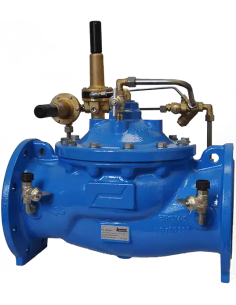
Brandoni F15 valves are direct-acting pressure reducing valves with piston-operated internals, ductile iron body construction, and epoxy coating suitable for potable water service, in sizes DN50-DN150 with PN10/16, PN25, or PN40 ratings. Ekoflux D valves operate as modulating differential pressure control valves, automatically balancing differential pressure in main networks, risers, and branch lines of heating and air-conditioning systems without external power.
Selection should verify required Δp setpoint, valve authority, design flowrate, available pressure drop, operating temperature, seat material compatibility such as EPDM, FKM, or NBR, pressure sensing point location, and access for adjustment. Maintenance checks should include impulse lines, strainers, seat condition, diaphragm or piston condition, and measured differential pressure under both part-load and full-load operation.