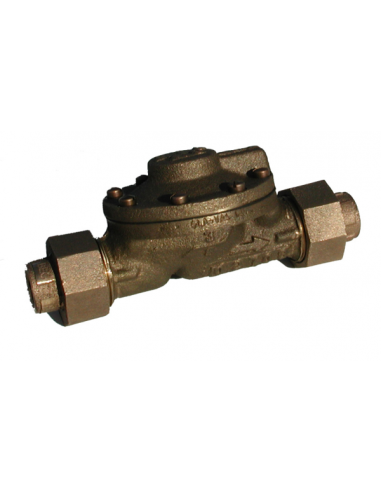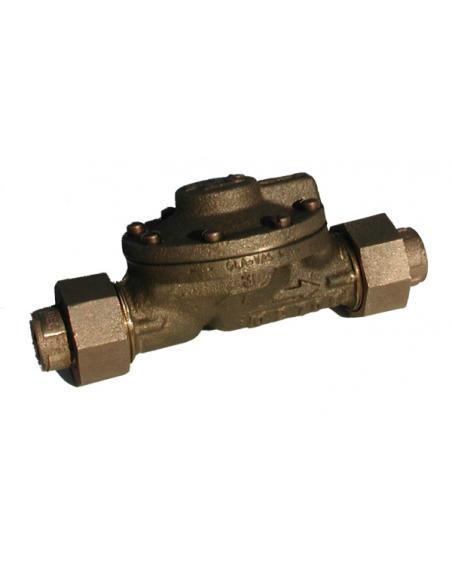

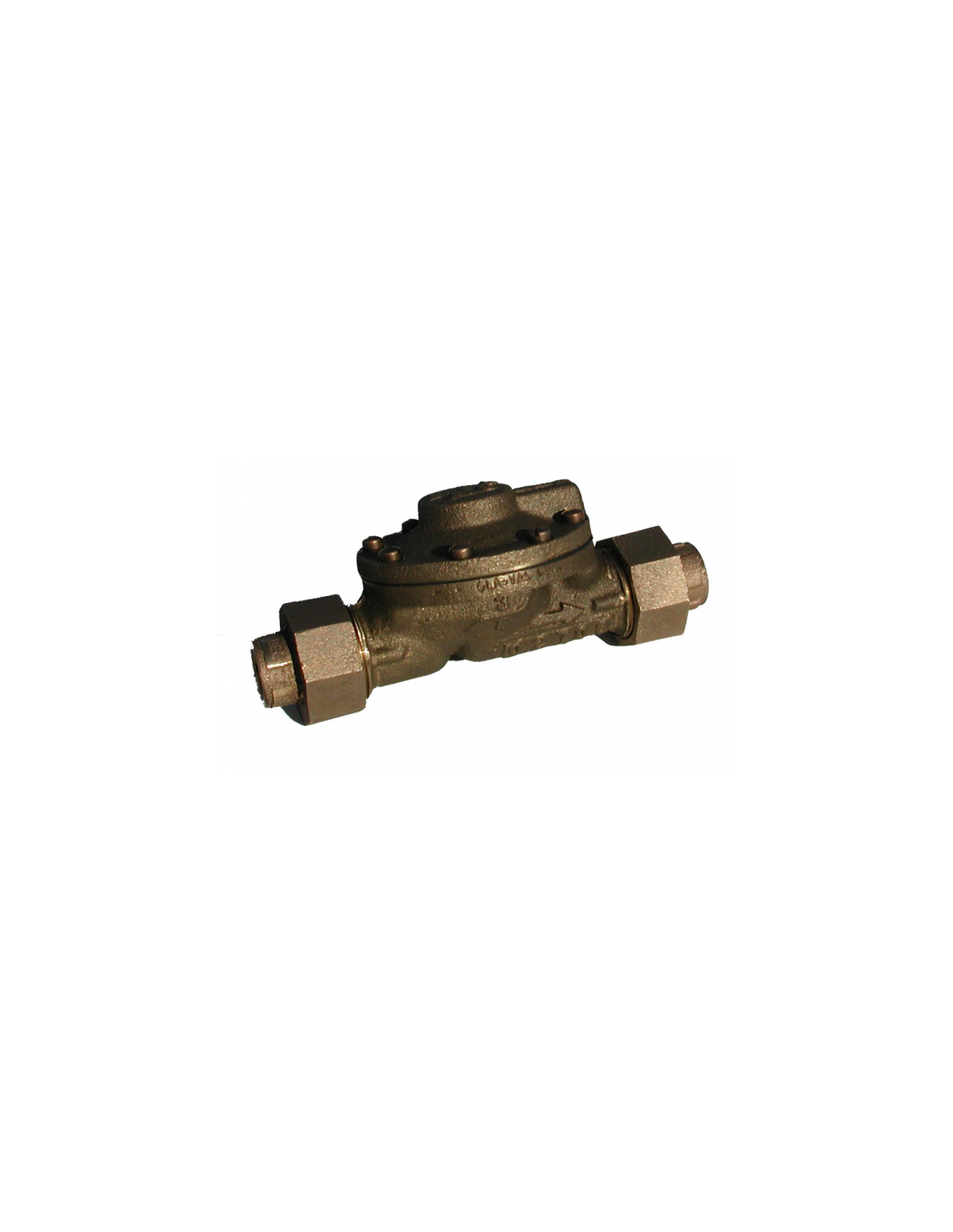
The Cla-Val Model 81M-3 Check Valve is used in missile booster suppression systems, water injection systems and AFFF systems to protect personnel and equipment aboard surface vessels. The EP suffix to the model number indicates that the valve is equipped with ethylene-propylene elastomers. The MS suffix to the model number indicates that the valve is equipped with a limit switch. Built to MIL-F20042 specifications.


Check Valve - 81M-3 | Cla-Val
Cla-Val 81M-3 Diaphragm Check Valve
The Cla-Val 81M-3 is a lift-type, spring-loaded, diaphragm-operated check valve designed for marine fire protection and hydraulically actuated systems. Typical applications include missile booster suppression, water injection, and AFFF systems. Construction and performance conform to MIL-F20042 requirements.
Operating Principle
This valve functions as a hydraulically actuated check valve with internal porting. The lift disc is spring-loaded and diaphragm-actuated, preventing reverse flow in actuation lines. The technical datasheet describes it as an internally ported diaphragm actuated hydraulic check valve.
Application in Sprinkler Systems
In standard CLA-VAL diagrams, the 81M-3 is installed in the hydraulic actuation circuit of Dry Type Magazine Sprinkler Systems. It is used in interconnected open-valve loop and closed-valve loop lines to prevent pressure signal backflow and ensure the highest available actuation signal is applied to the Magazine Sprinkler Valve.
Variants and Options
- EP suffix: Ethylene-propylene elastomers for compatibility with water-based media and AFFF service.
- MS suffix: Integrated limit switch for position indication or remote monitoring.
- Main valve in schematic: 100M-1KR Hytrol main valve.
Selection Criteria
Selection should be based on:
- shipboard fire protection system specification
- requirement for MIL-F20042 compliance
- elastomer compatibility with water, AFFF, or other media
- actuation pressure and available hydraulic signal
- need for limit switch in monitoring systems
Maintenance
Key maintenance points include internal port cleanliness, diaphragm condition, spring function, and sealing integrity against reverse pressure. For AFFF or seawater service, inspect for deposits, particulates, and elastomer chemical compatibility.
Datasheet and documents
Description
Tap to zoom