
Total Dissolved Solids (TDS) Electrodes - SPECTORcompact | Gestra

GESTRA SPECTORcompact – Conductivity Electrodes for TDS Measurement
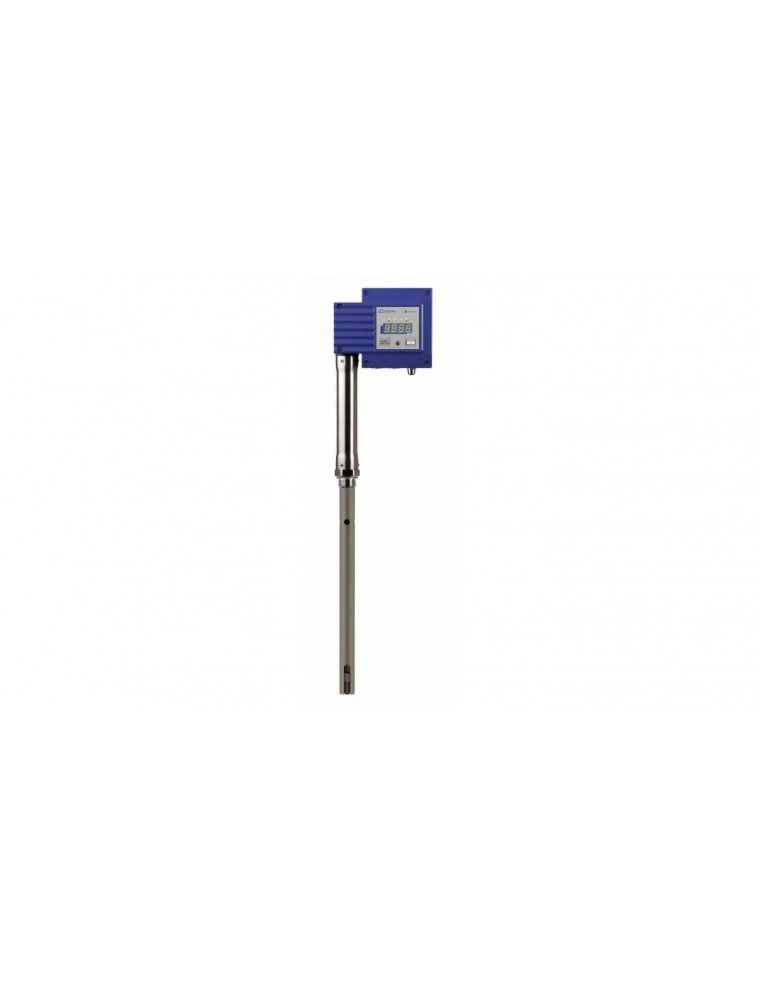
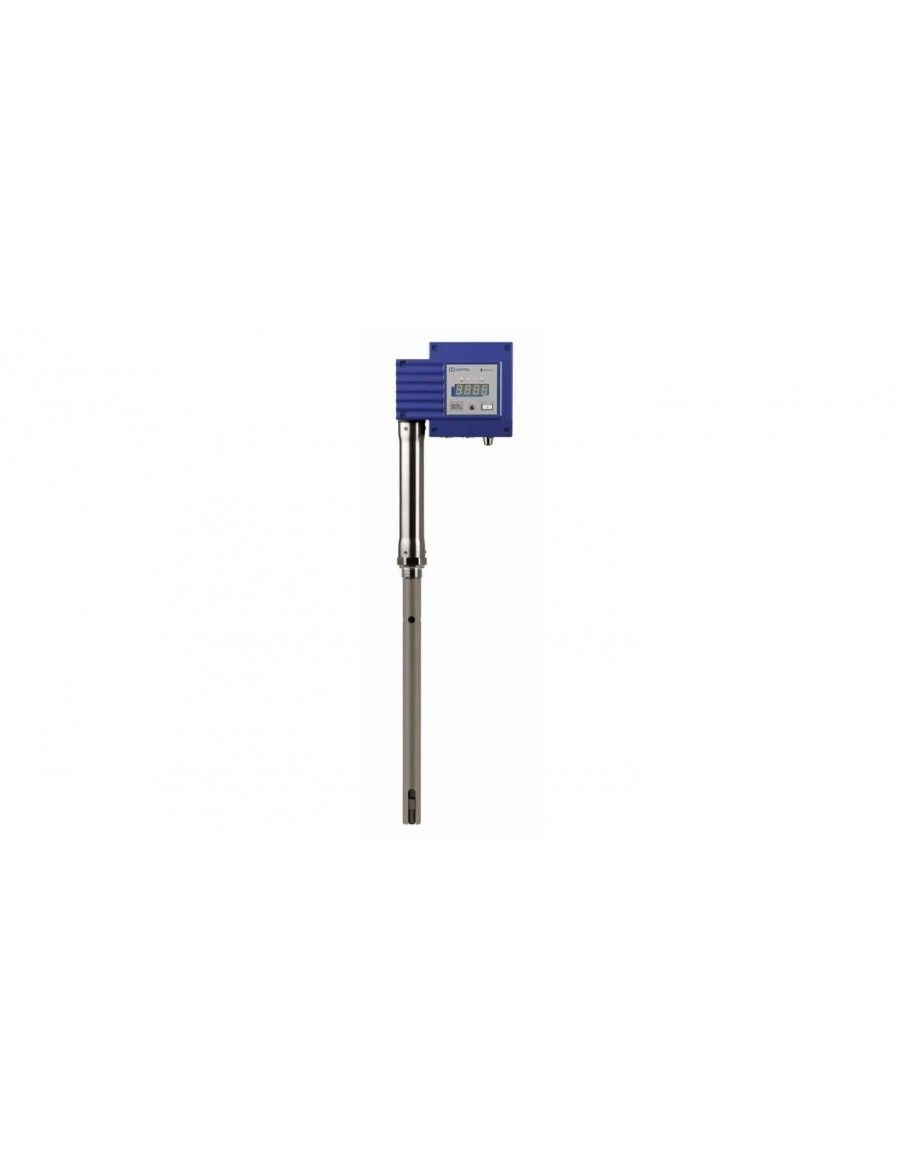
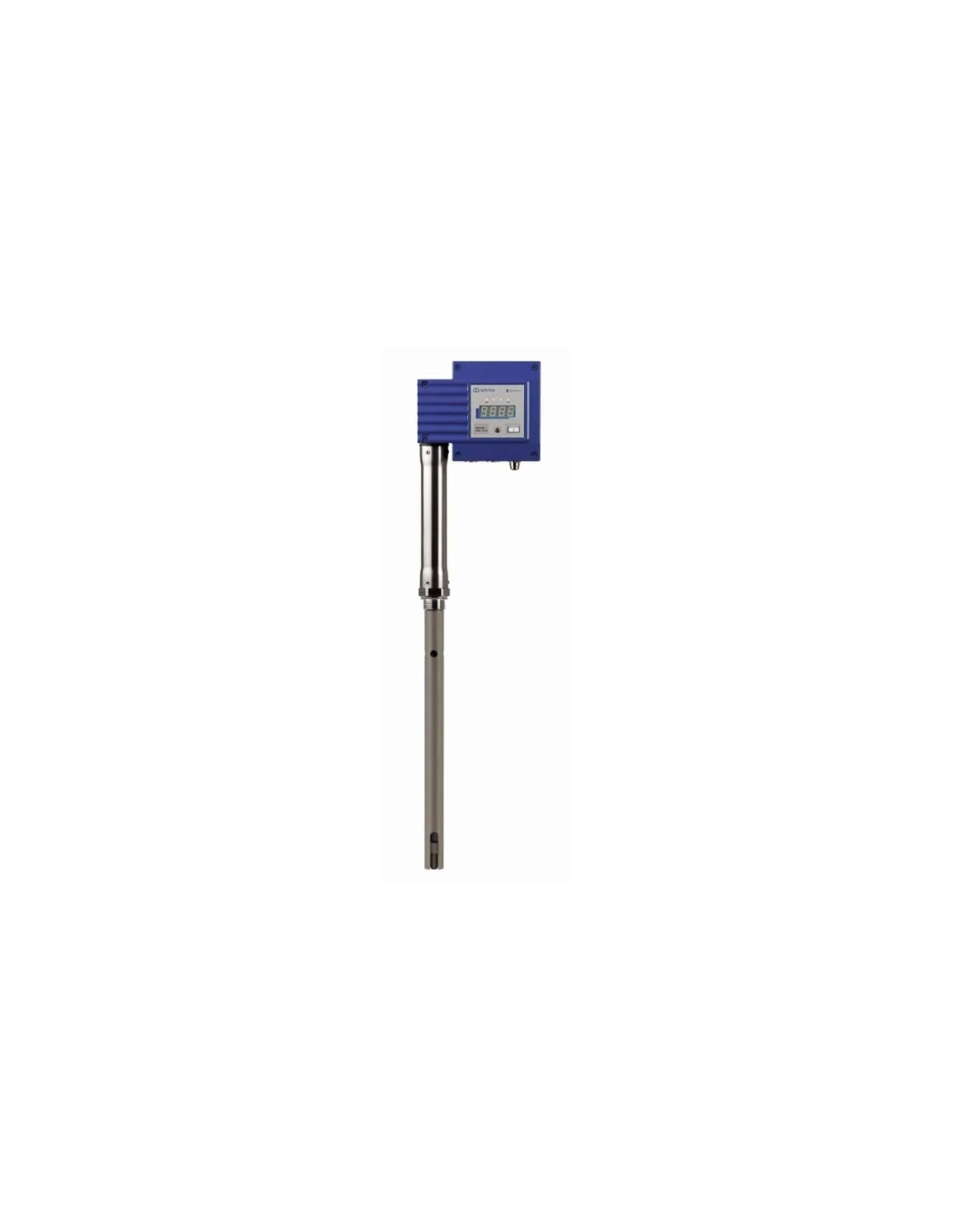
The GESTRA SPECTORcompact series is designed for monitoring boiler water conductivity and controlling continuous surface blowdown. TDS (Total Dissolved Solids) is measured indirectly via electrical conductivity, as dissolved solids increase with steam generation and concentrate in boiler water.
Variants
- LRGS 15-1: Compact conductivity switch with integrated electrode and controller in the head assembly.
- LRGT 16-3 / 17-3: Two-electrode conductivity transmitters with 4–20 mA output for remote monitoring.
- LRGT 16-4: Four-electrode transmitter for higher conductivity ranges.
- Compatible with continuous blowdown valves, typically motorized BAE valves or via LRR controllers.
Technical Data – LRGS 15-1
- Pressure: PN25, 25 barg at 224°C
- Connection: ¾" ISO 228-1, optional ¾" NPT
- Measuring range: 100–10,000 μS/cm or 50–5000 ppm
- Outputs: 3 potential-free relay contacts for blowdown valve and MAX limit
- Power supply: 230 V AC, optional 115 V AC
- Enclosure: IP65
- Materials: Body 1.4571 or 316L, PTFE insulation, polycarbonate head
Technical Data – LRGT Series
LRGT 16-3 / 16-4 / 17-3 function as sensors/transmitters only, without standalone control or limit functionality. They provide a linear 4–20 mA signal to a controller or automation system. LRGT 16-3 and 16-4 are rated PN40, 32 bar at 238°C; LRGT 17-3 is PN63, 60 bar at 275°C.
Selection Criteria
Selection depends on boiler pressure, water conductivity, requirement for local controller or 4–20 mA output, electrode length, connection type, and blowdown configuration. LRGS 15-1 is suitable for local control; LRGT models require an external controller for valve actuation.
Installation and Maintenance
Ensure constant immersion of the measuring tip, avoid contact with boiler walls or metallic internals, and use shielded signal cable. LRGT electrodes must not be shortened. Maintenance includes checking for electrode fouling, temperature compensation, 4–20 mA signal verification, and functional testing of the blowdown valve.
Description
Tap to zoom