
List of products by brand Gestra
GESTRA – Technical profile of a steam, condensate and boilerhouse equipment manufacturer
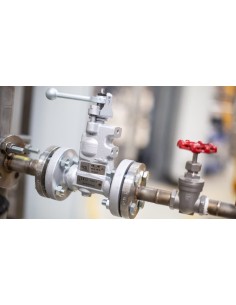
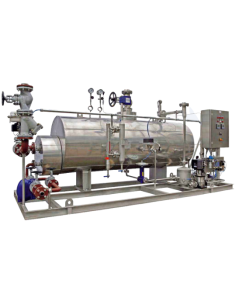
GESTRA is a German manufacturer of steam and condensate equipment for boilerhouses, steam distribution systems, heat exchangers, condensate recovery and industrial thermal processes. The product range covers steam traps, boiler controls, blowdown valves, check valves, control valves, strainers and packaged steam systems.
The main product areas include:
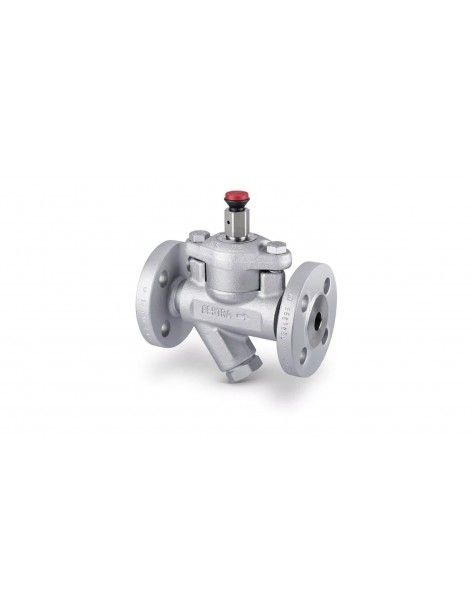
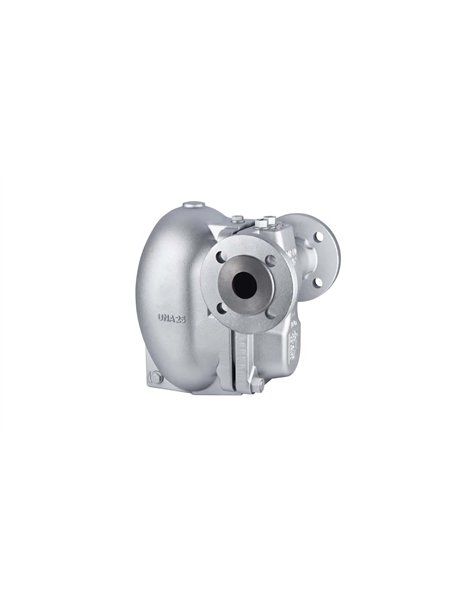
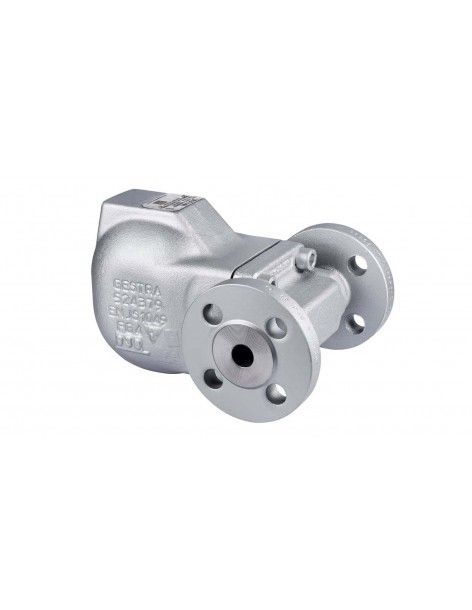
- mechanical and thermostatic steam traps,
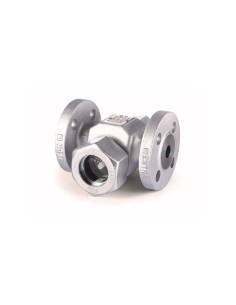
- thermodynamic steam traps,
- automatic start-up drainage valves,
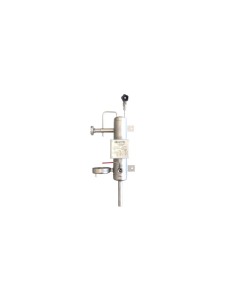
- bottom blowdown valves,
- continuous blowdown valves,
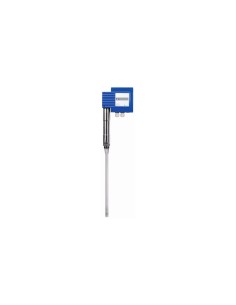
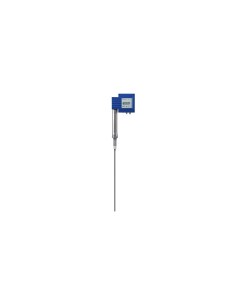
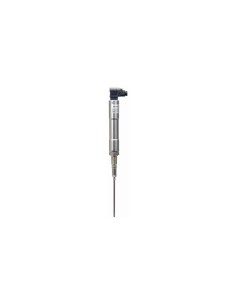
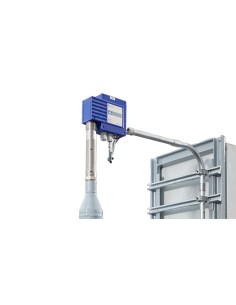
- level controls and limiters,
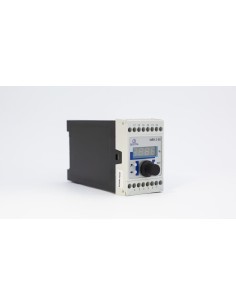
- TDS and conductivity control,
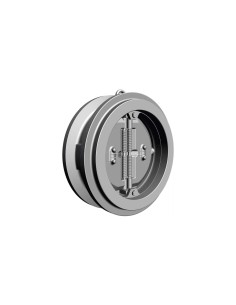
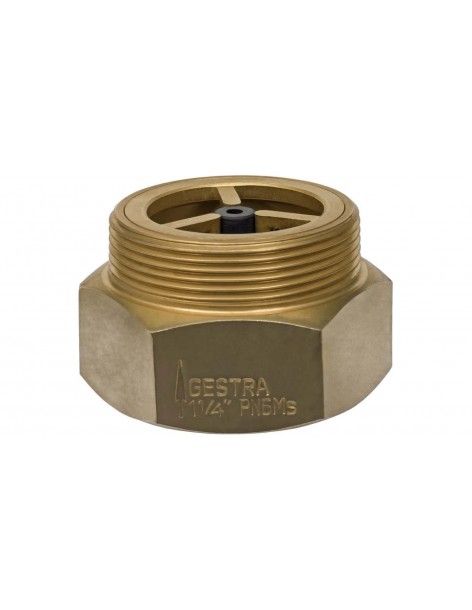
- wafer check valves,
- dual plate check valves,
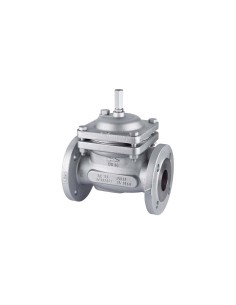
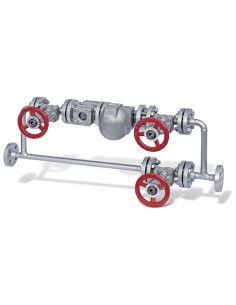
- pressure reducing and control stations,
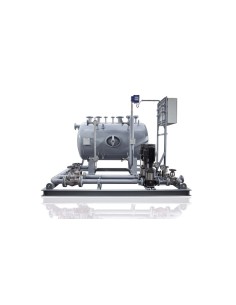
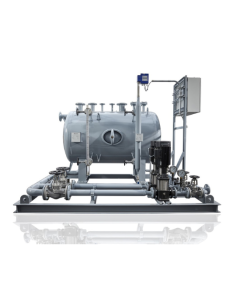
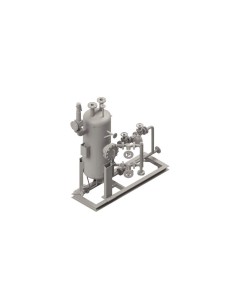
- condensate return units,
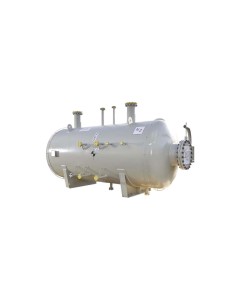
- flash vessels,
- deaerators,
- desuperheaters,
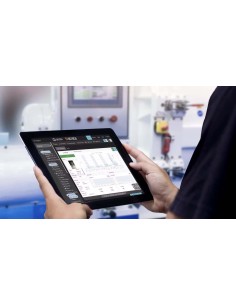
- steam trap monitoring systems.
Steam trap selection must be based on condensate load, differential pressure, back pressure, start-up load, air venting and application type. Float traps are commonly used for heat exchangers and variable condensate loads. Thermostatic and bimetallic traps are used in tracing, air heaters and superheated steam applications. Thermodynamic traps are compact and suitable for distribution line drainage and tracing, provided the duty is appropriate.
Boilerhouse equipment such as bottom blowdown, continuous blowdown, level control and TDS control directly affects boiler safety, water quality and thermal efficiency. These components should be specified according to boiler design, operating pressure, water treatment and applicable boiler standards.
Condensate recovery systems, flash vessels and deaerators are part of the overall steam balance. Their selection requires condensate flow, pressure, temperature, flash steam quantity, boiler feedwater demand and available return pressure.
GESTRA products are relevant for steam specialists, boilerhouse engineers, process engineers and maintenance teams. In steam systems, equipment selection must be based on actual operating data rather than nominal pipe size alone.