
Total Dissolved Solids (TDS) Controllers - SPECTORmodul Touch | Gestra | Philippopoulos s.a.


Total Dissolved Solids (TDS) Controllers - SPECTORmodul Touch | Gestra

GESTRA SPECTORmodul Touch – TDS Controllers

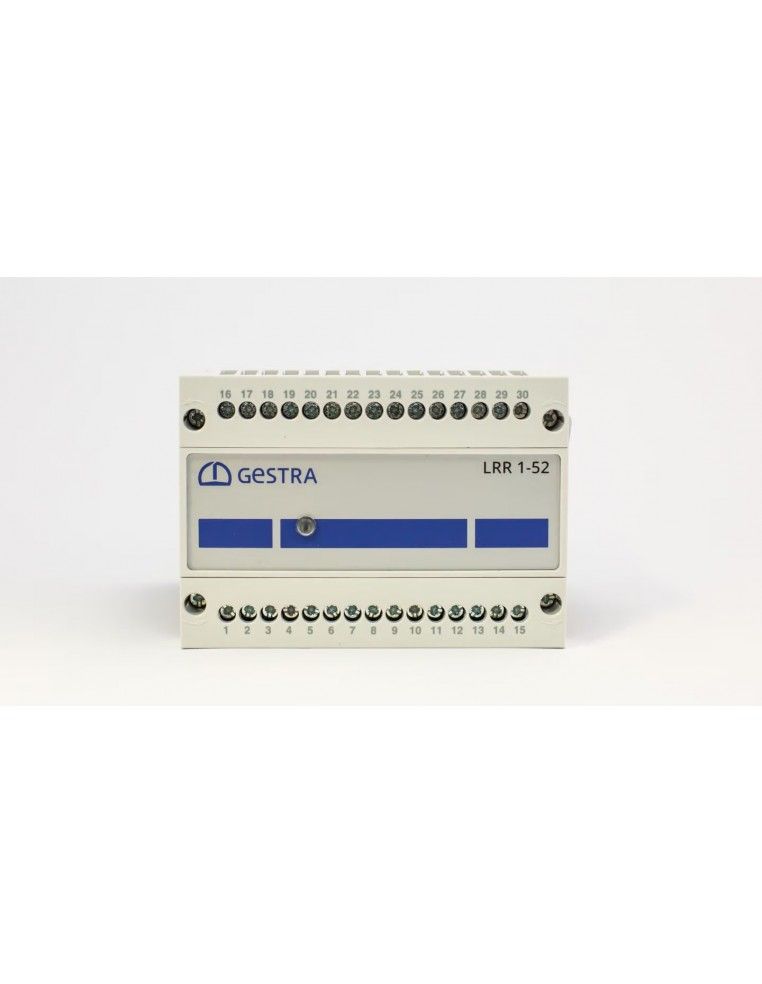
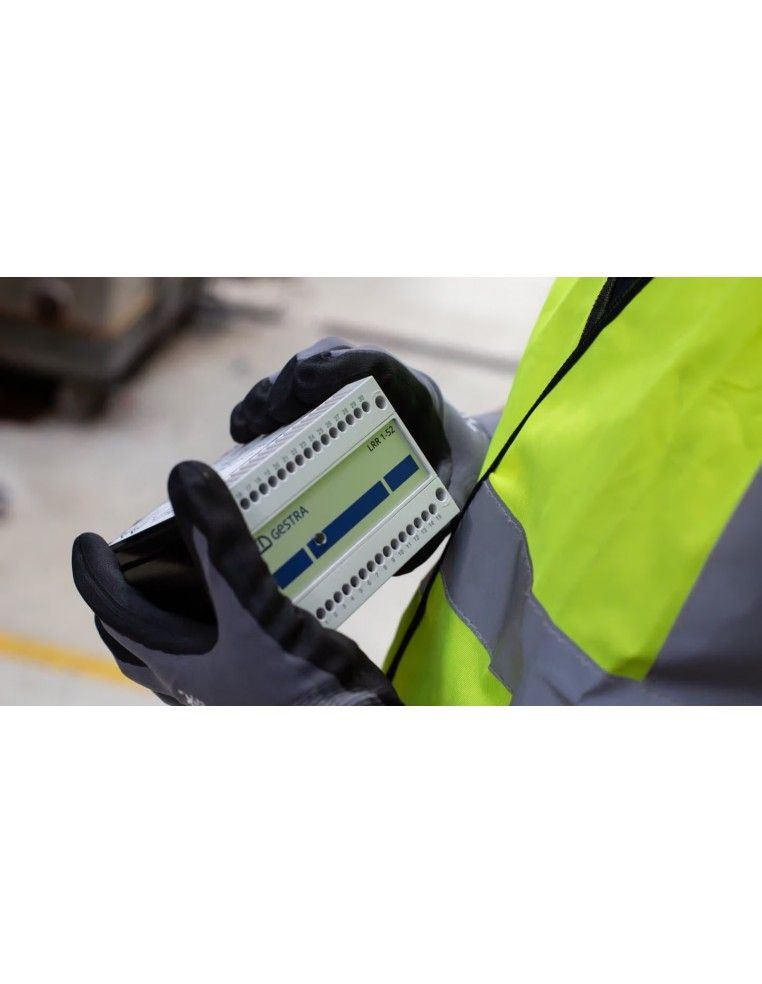
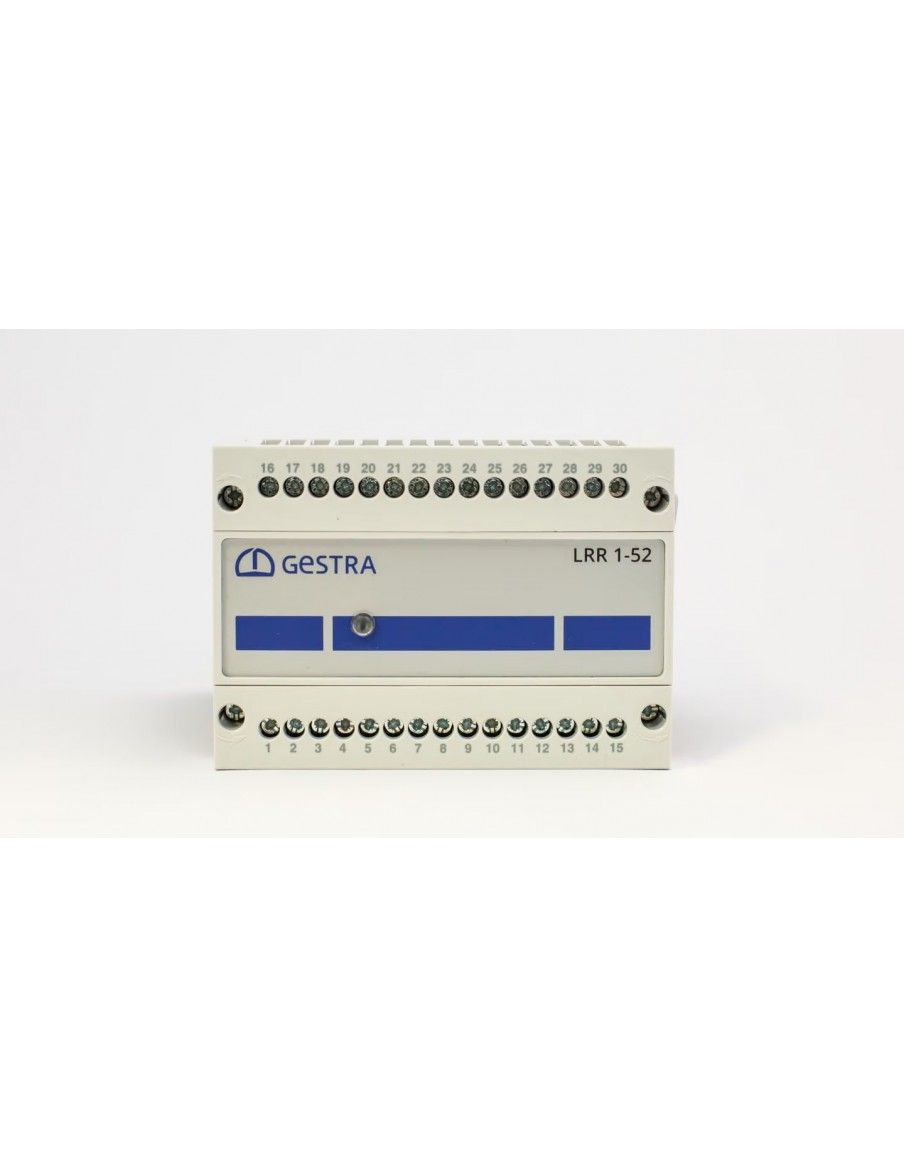
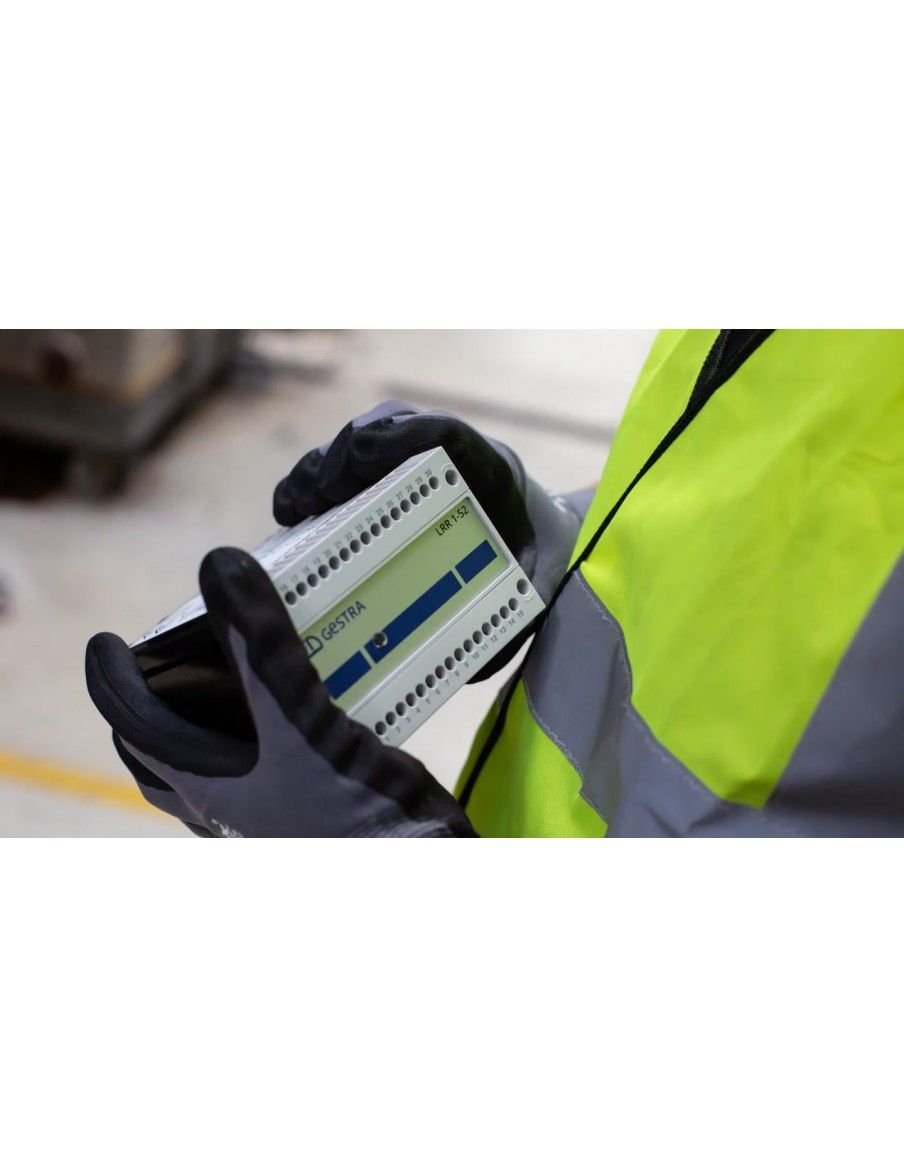
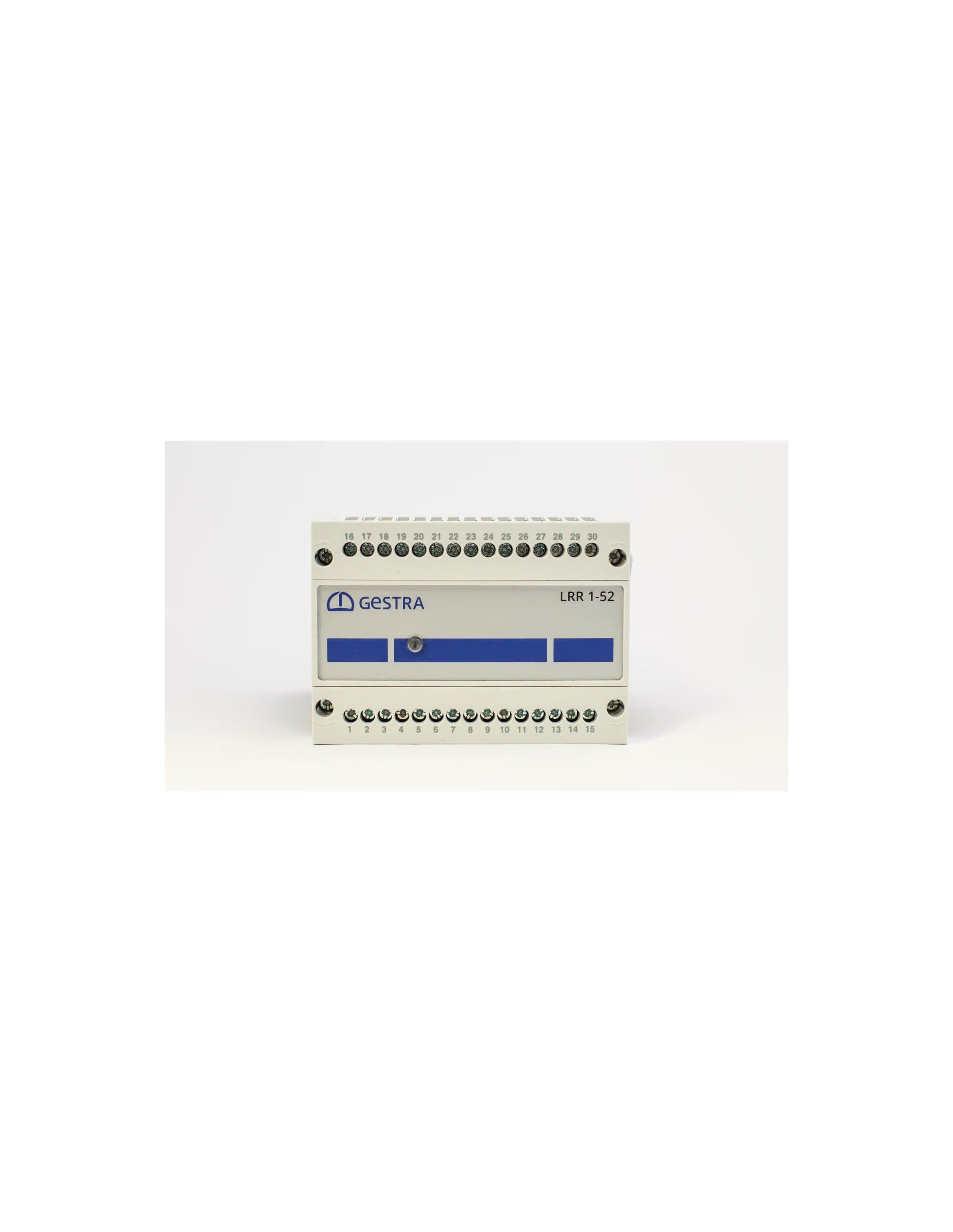
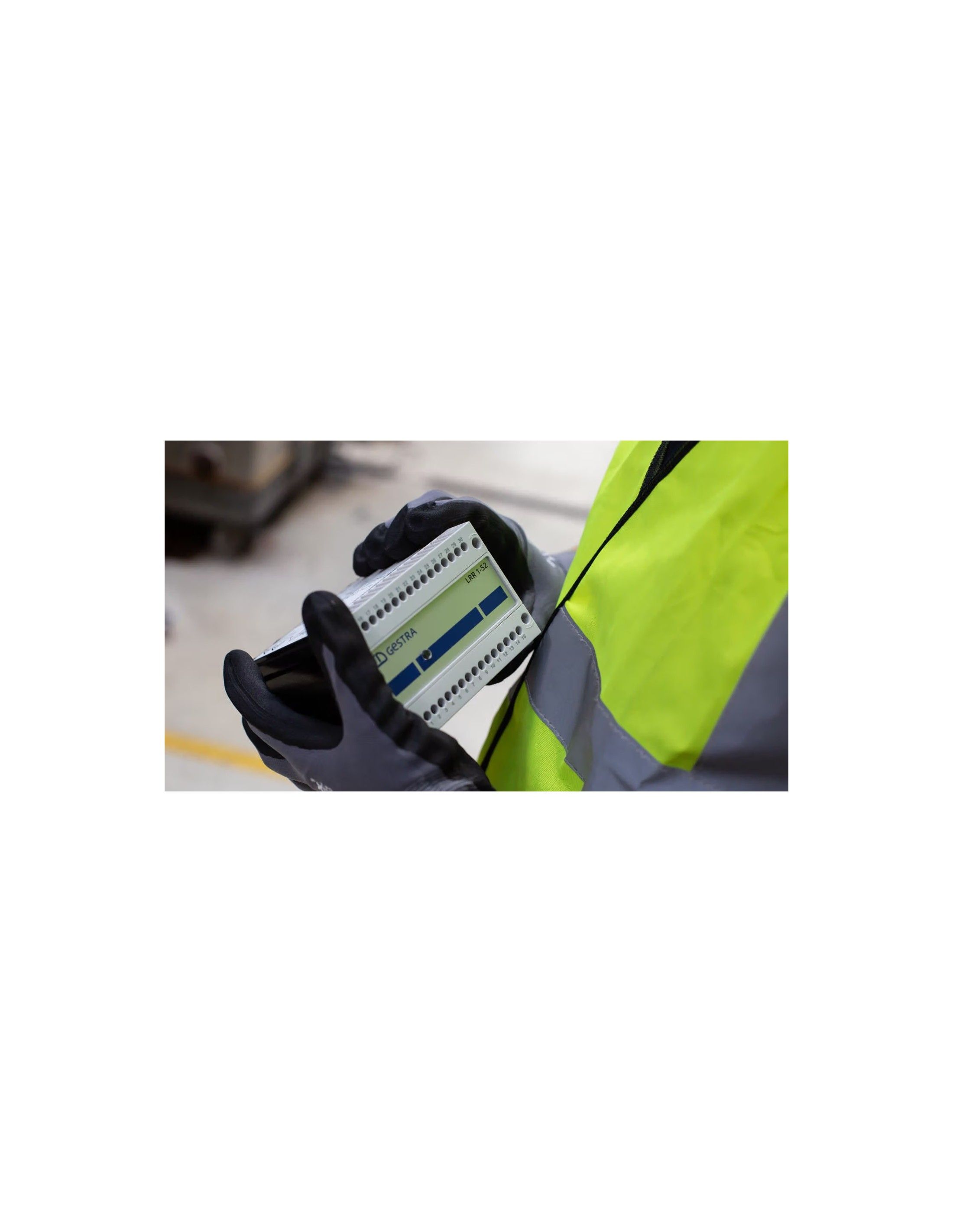
The LRR 1-52 / LRR 1-53 controllers, in combination with the URB 55 operator unit, are used for boiler water conductivity monitoring, continuous surface blowdown control, and MIN/MAX limit supervision. Conductivity is used as a practical indicator of TDS, as dissolved solids increase with steam generation and boiler water concentration.

Variants

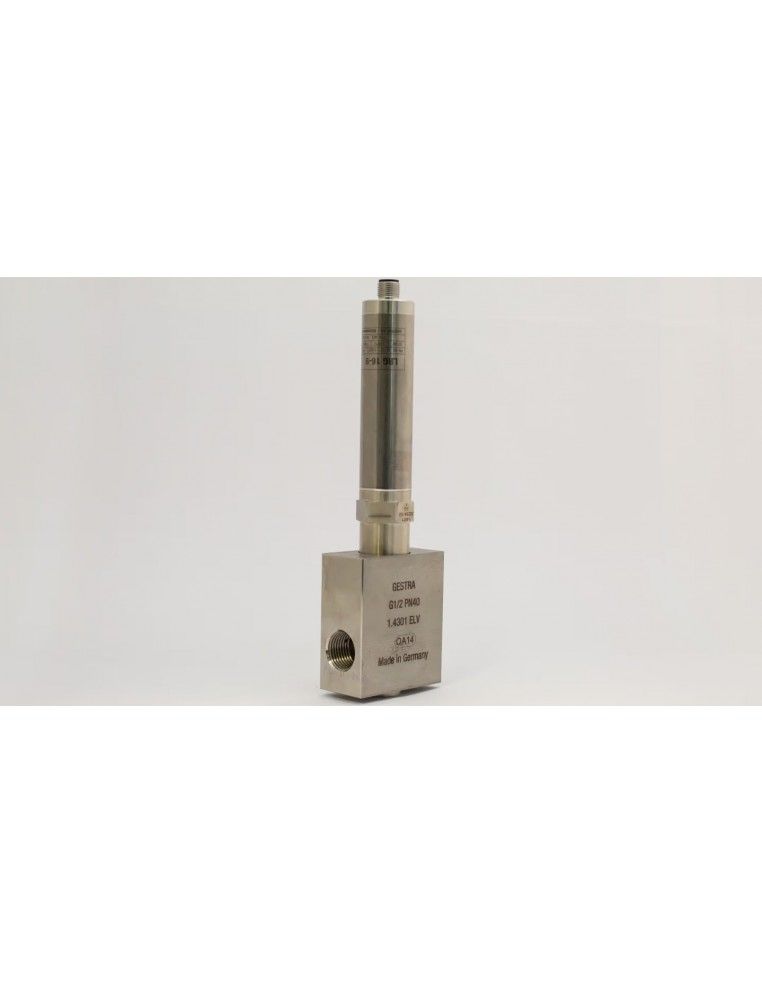
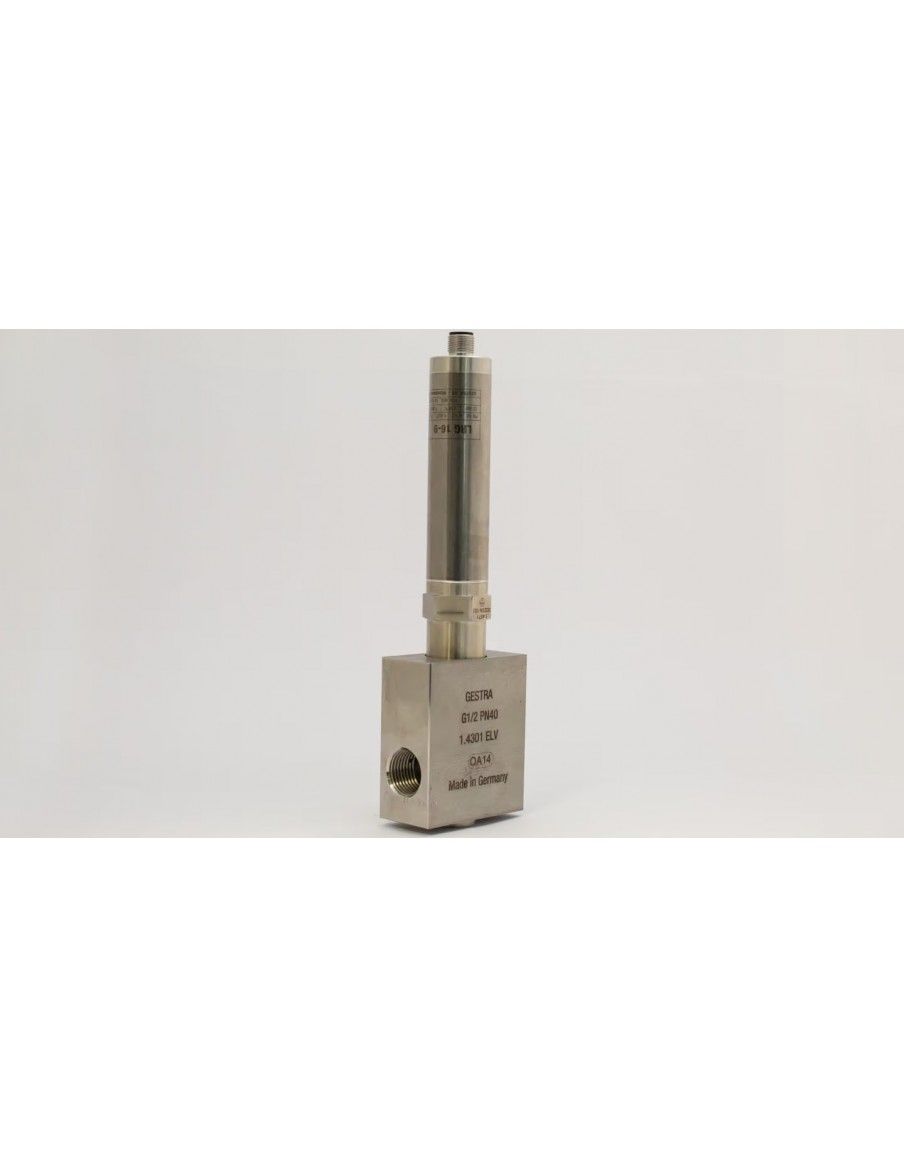
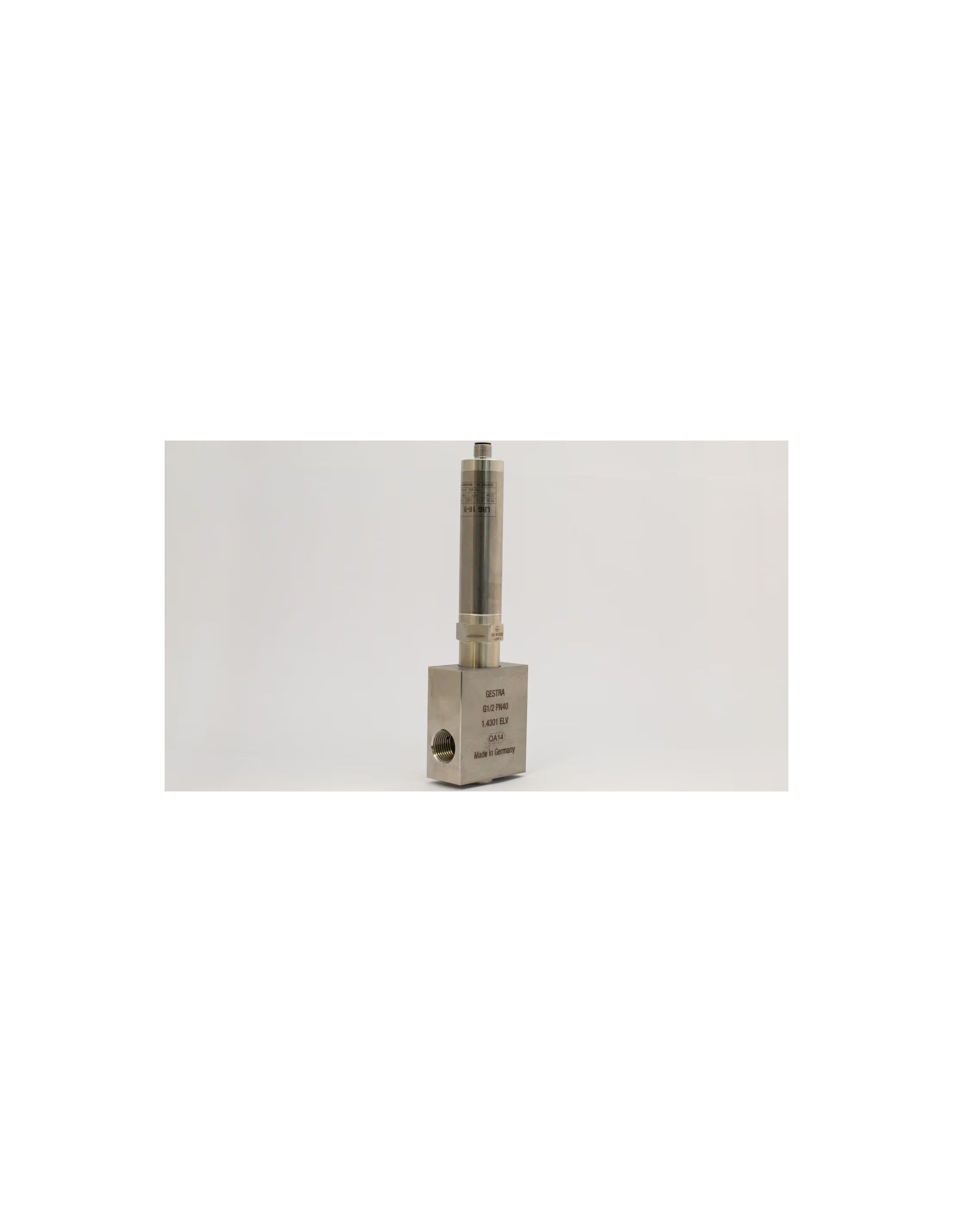
  • LRR 1-52: Direct input from conductivity electrodes LRG 12-2, LRG 16-4, LRG 16-9, LRG 17-1, LRG 19-1.
  • LRR 1-53: 4–20 mA input from transmitters LRGT 16-1, 16-2, 16-3, 16-4, 17-3, 17-1.
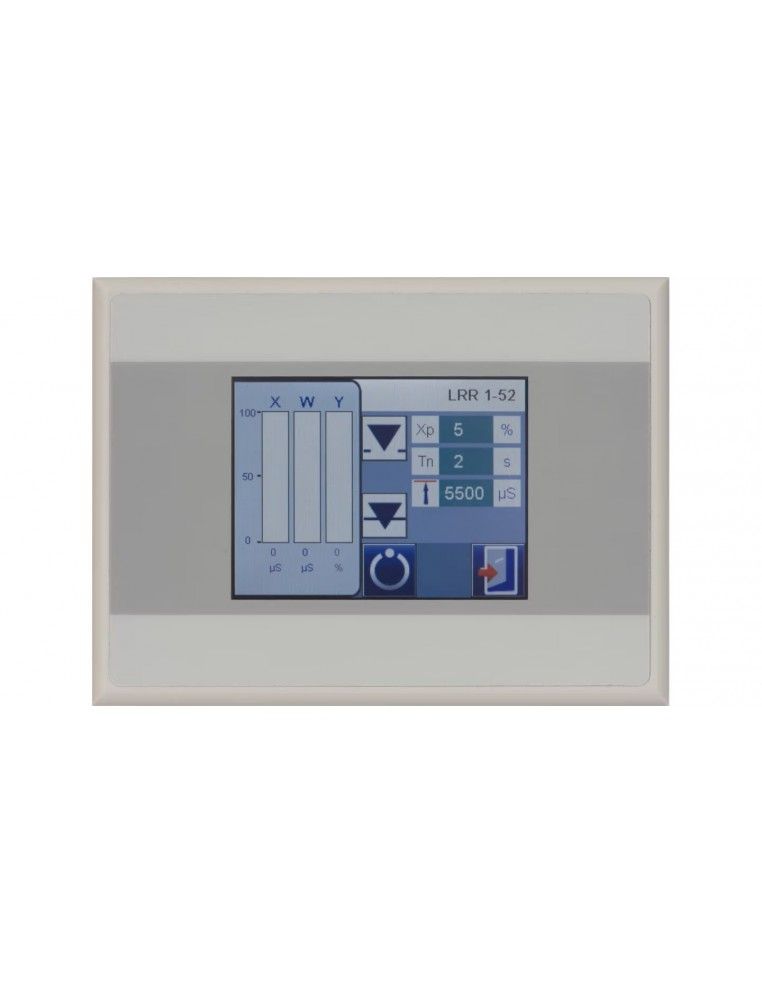
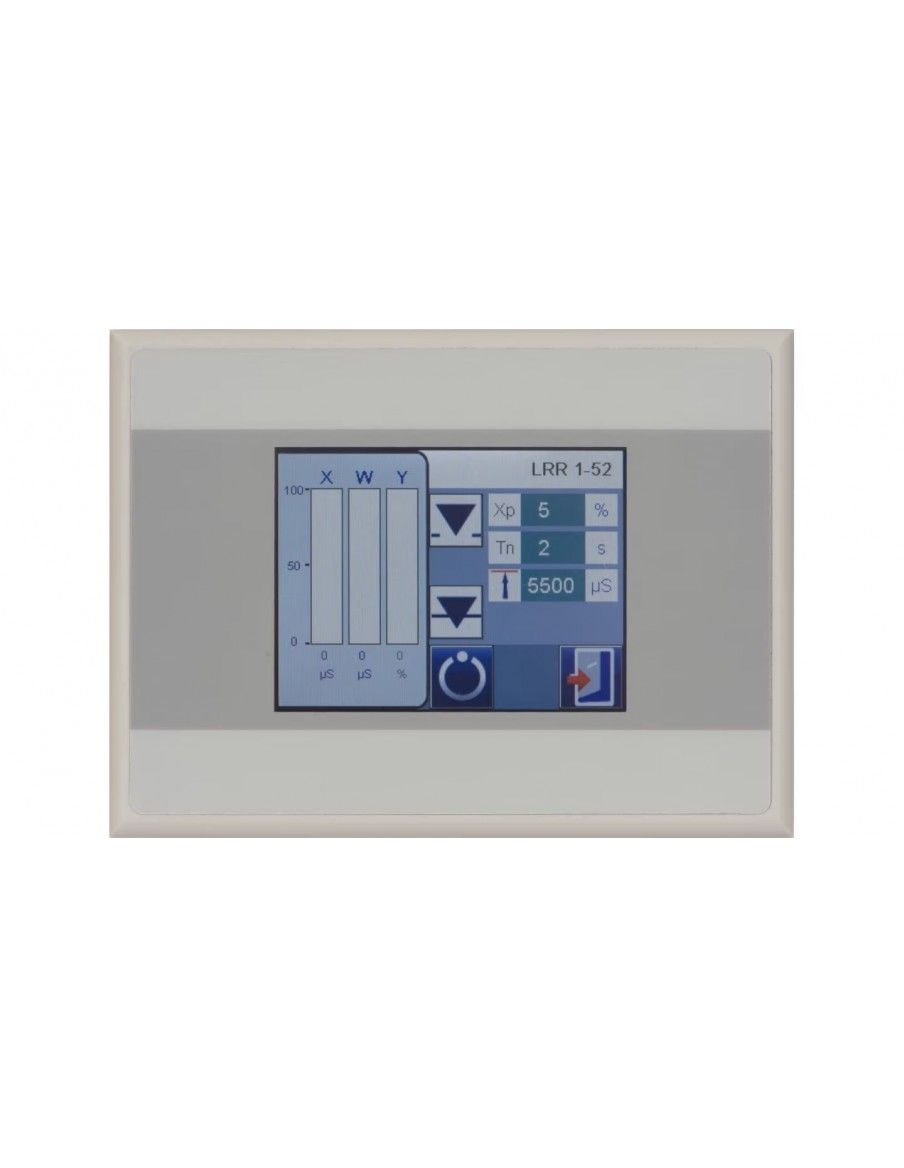
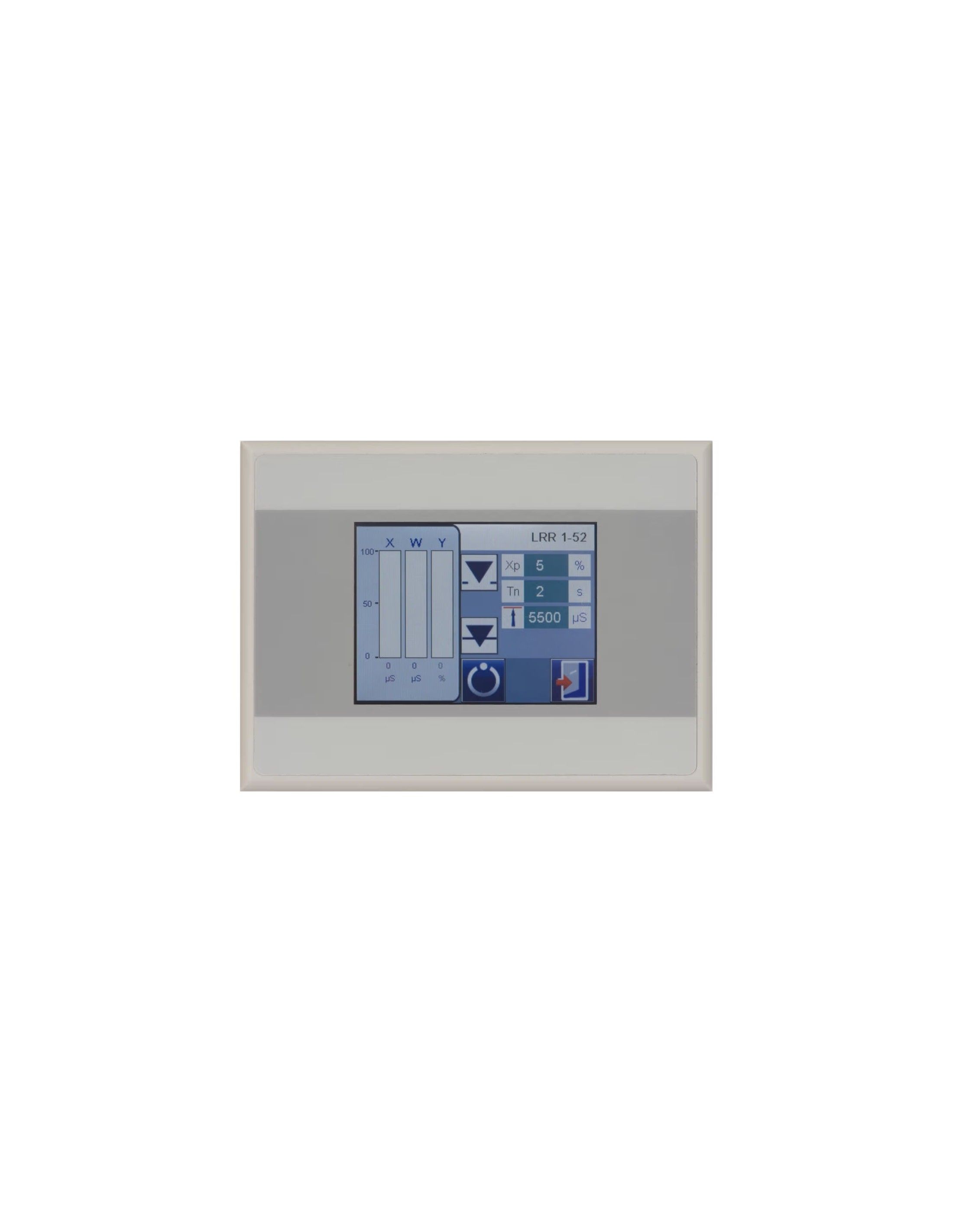
  • URB 55: Touchscreen display for conductivity, valve position, PI parameters, alarms, trend logging, and manual/automatic mode selection.

Control Function

The controller operates a motorized blowdown valve using 3-position stepping PI control. Intermittent blowdown can also be triggered. Alarms are generated for exceeding MAX or dropping below MIN setpoints. External standby input allows for valve closure or control deactivation.

Technical Data

  • Controller supply: 24 VDC ±20%
  • LRR power consumption: 5 W
  • Valve outputs: 2 changeover contacts, 8 A / 250 VAC
  • Analog output: 4–20 mA, actual value or manipulated variable
  • LRR 1-52 range: 1–10,000 μS/cm at 25°C or 1–5,000 ppm
  • URB 55: 5" display, 800 × 480 px, front protection IP66
  • LRR mounting: TH 35 rail, EN 60715

Installation Notes

LRR is panel-mounted; URB is door-mounted. Electrode cables must be shielded and routed separately from power cables. Max cable length to electrode: 30 m (or 10 m for 1–10 μS/cm). Not suitable for hazardous areas.

FAQ

When to select LRR 1-52?
For direct measurement from LRG electrodes.

When to select LRR 1-53?
When a LRGT transmitter with 4–20 mA output is used.

Does it provide automatic MAX lockout?
No. If lockout is required, implement in downstream safety circuit per EN 50156.

Description

Total dissolved solids (TDS) controls

During formation in the boiler steam leaves behind impurities, total dissolved solids (TDS). If left these impurities concentrate and could cause damage to your boiler.

In addition these solids build scale on the fire tubes and reduce the heat transfer. The effect is higher steam production costs.

Total dissolved solids controls measure the electrical conductivity of the boiler water which detects the level of total dissolved solids in your boiler.

Accurate control of total dissolved solids minimises blowdown, reduces the risk of boiler carryover, improves productivity and significantly reduces operating costs including fuel and chemical treatment.

Our solutions will help you to...

  • Reduce operating costs
  • Improve steam quality
  • Save energy

What are the features?

  • Compact design
  • Increased lifetime of your boiler

Safe and efficient monitoring for land and marine applications

For boiler operators of a steam system safety, reliability, availability and cost efficiency are the top priority, along with effective plant automation and visualisation for easy management.

The SPECTORmodul Touch focuses on the essentials, including demand-based main functions with a clear and intuitive user interface, making it easy for boiler operators to use.

Using the colour touch screen parameters can rapidly and reliably be entered and selected with little or no training.