Ball Valve - Type 45/46/47/52 | IVR | Philippopoulos s.a.

Ball Valve - Type 45/46/47/52 | IVR

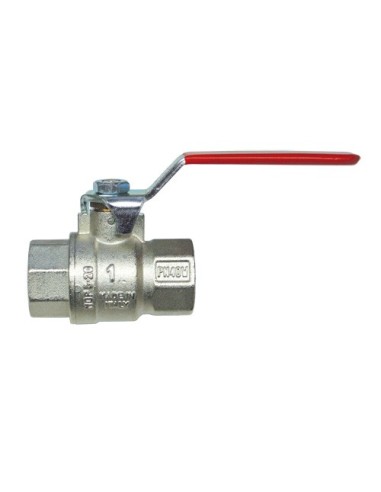
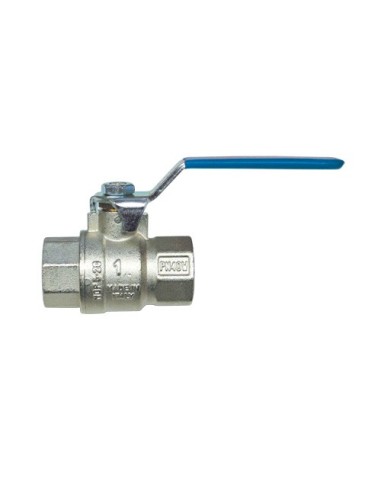
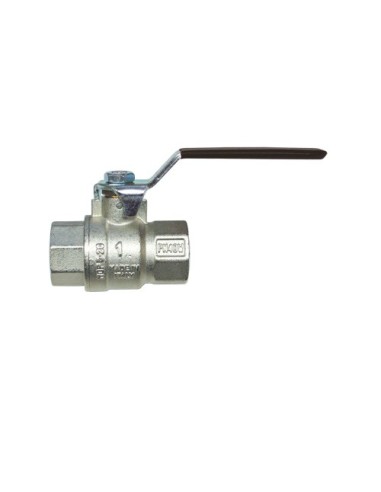
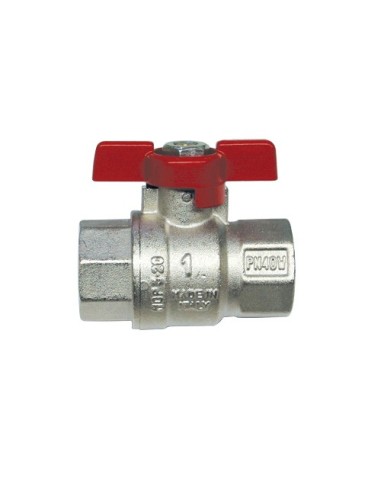
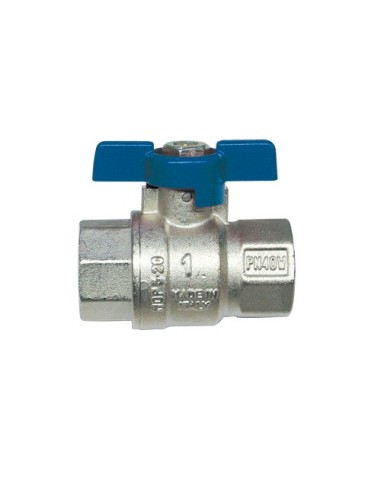
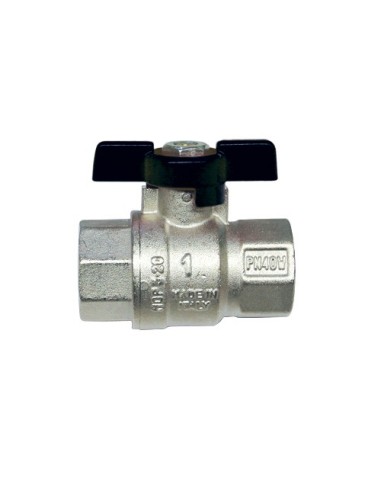
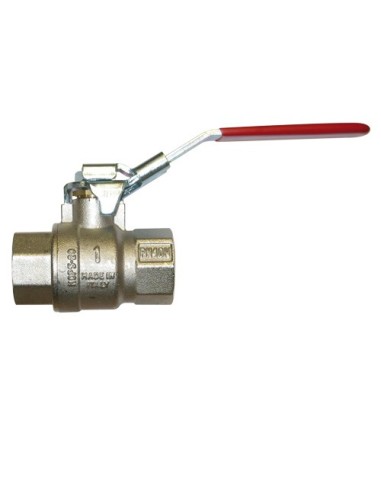
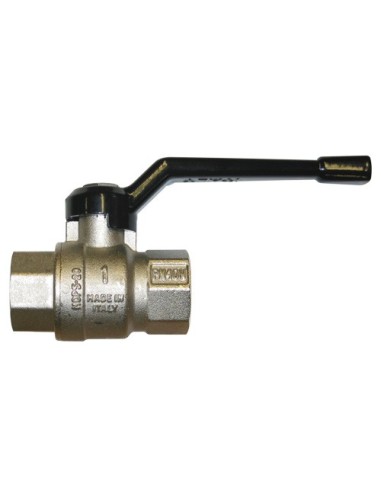
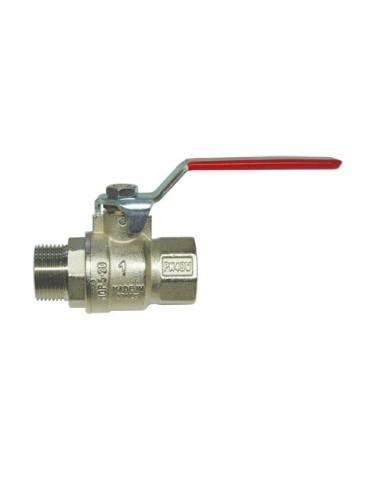
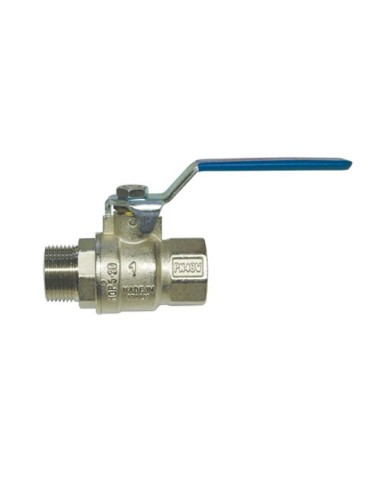
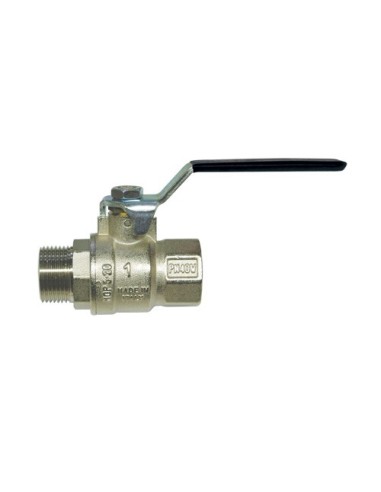
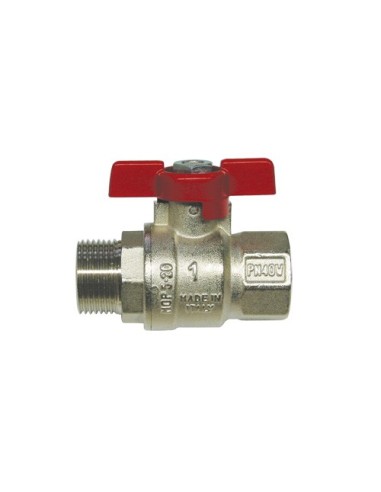
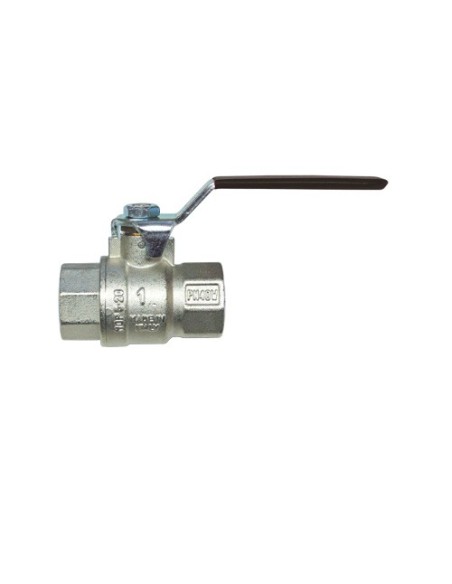
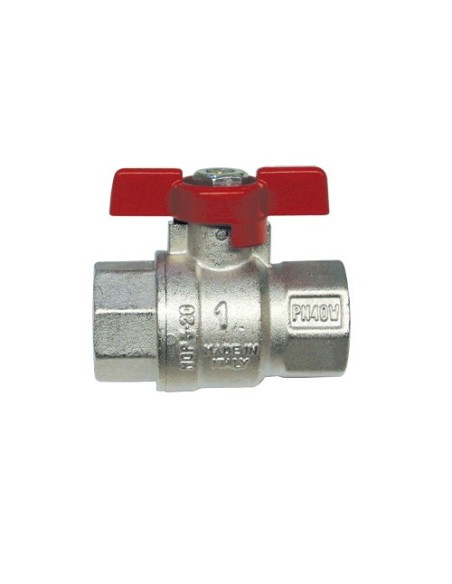
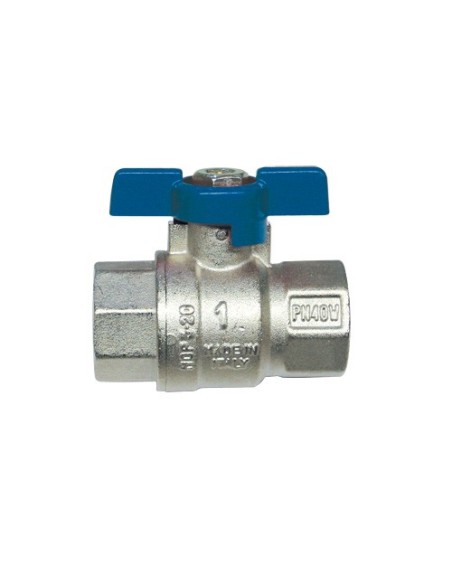
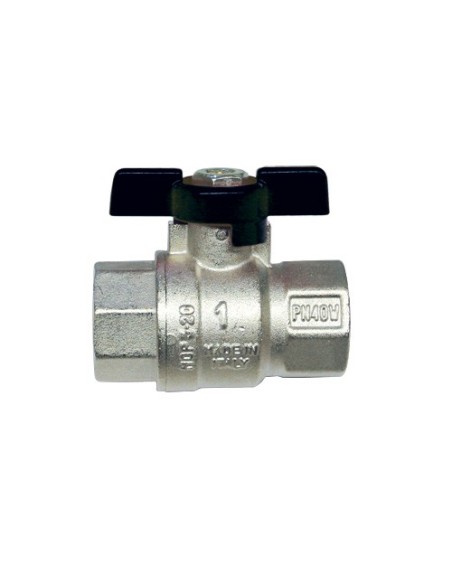
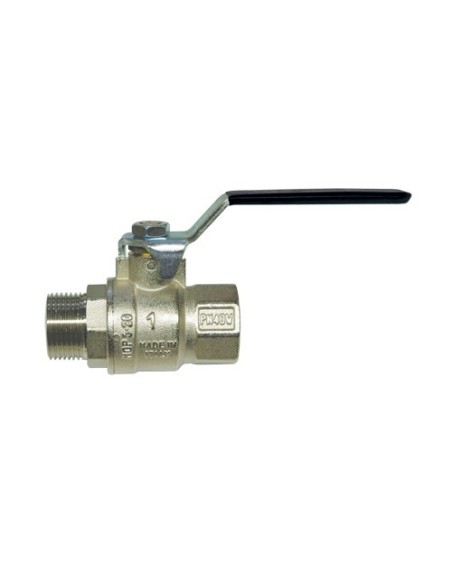
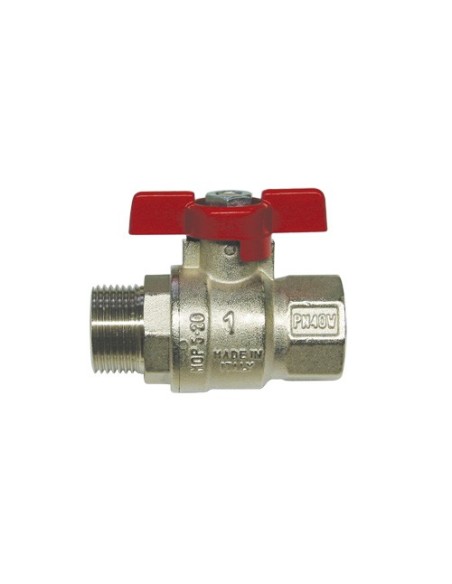
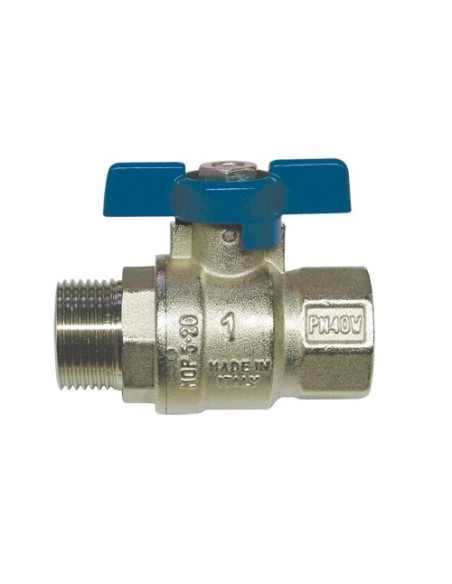
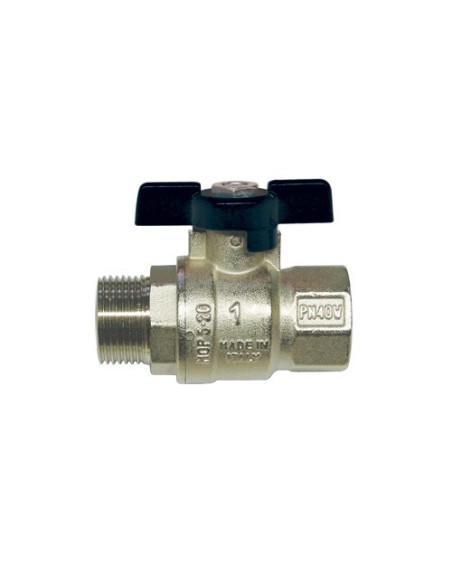
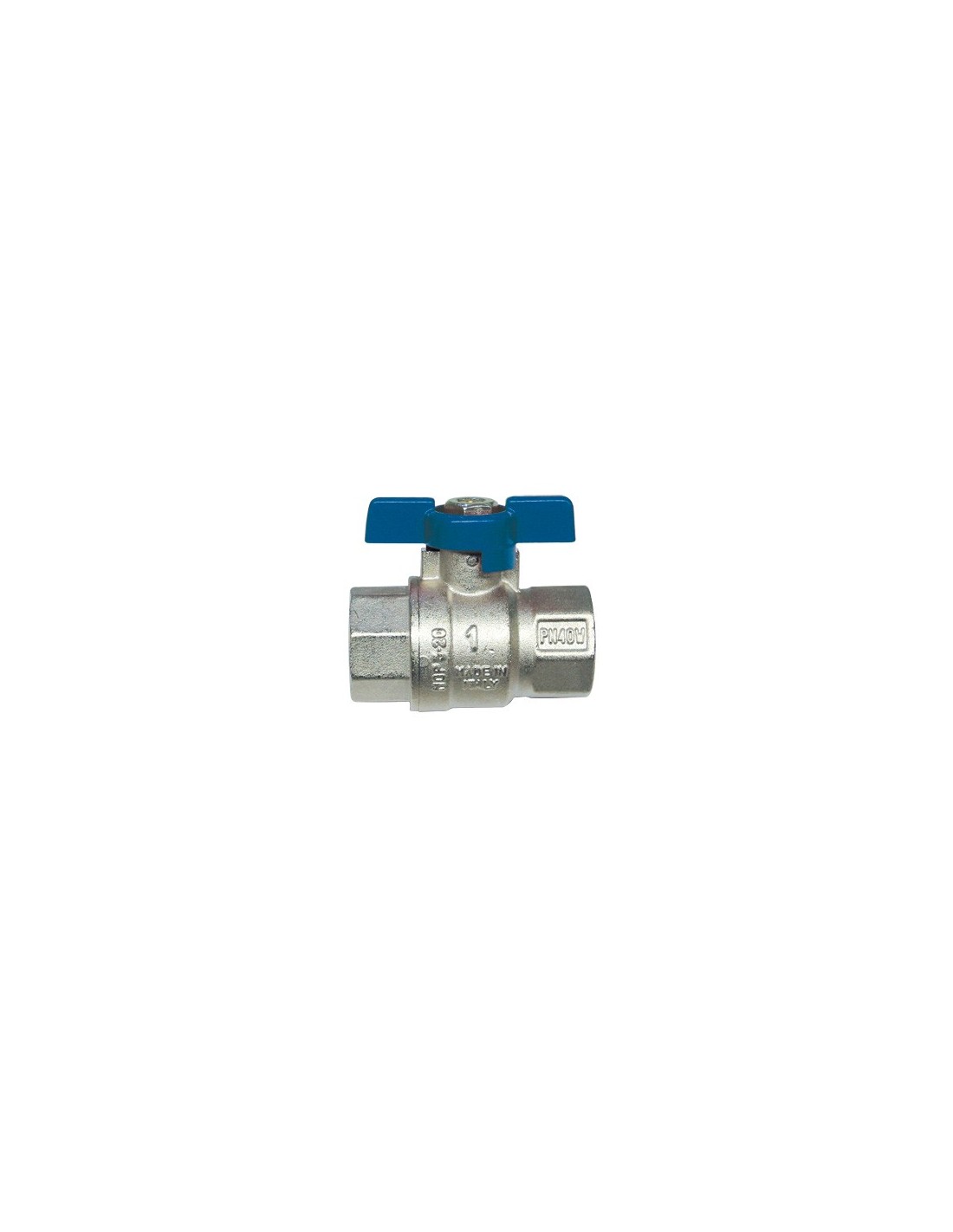
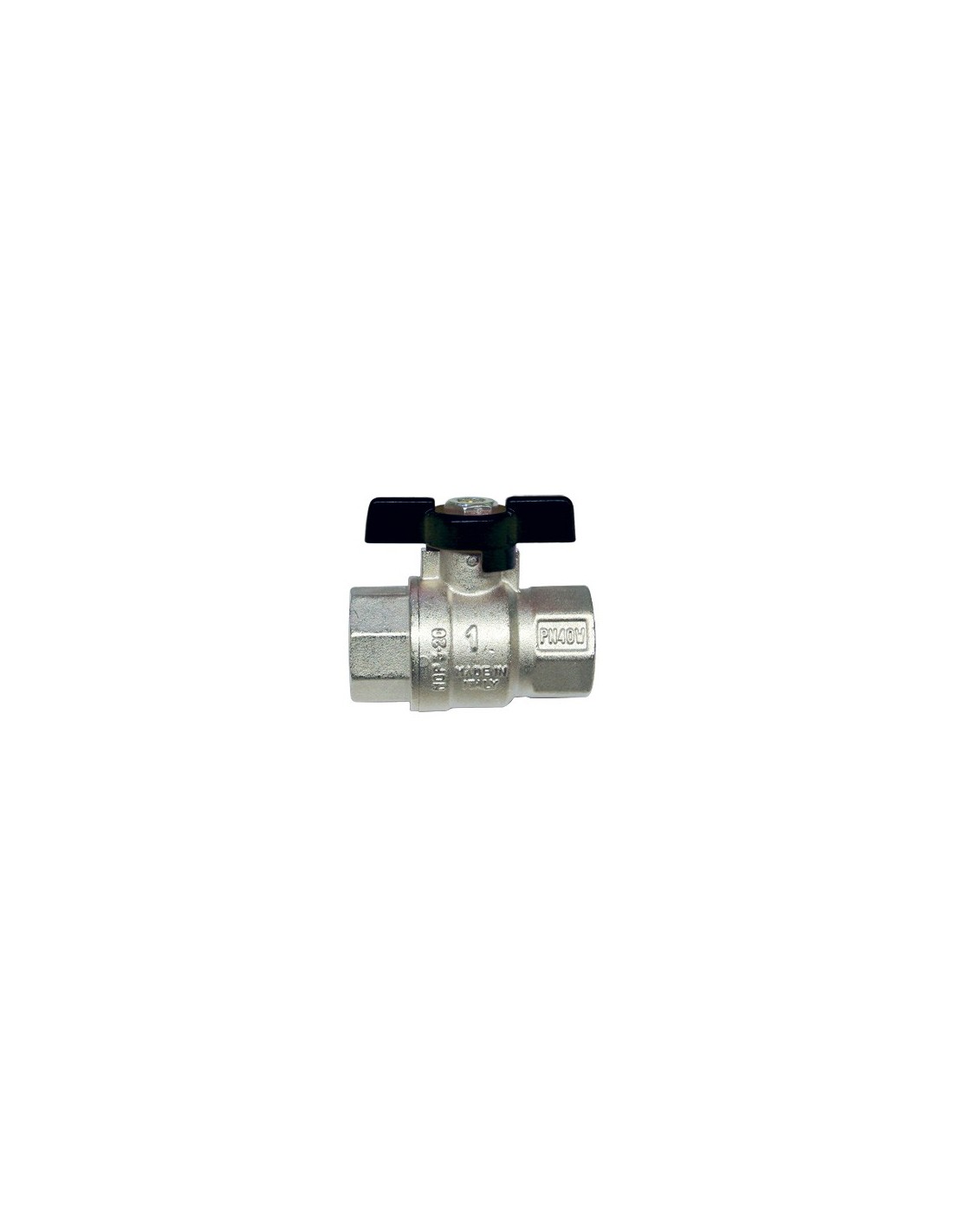
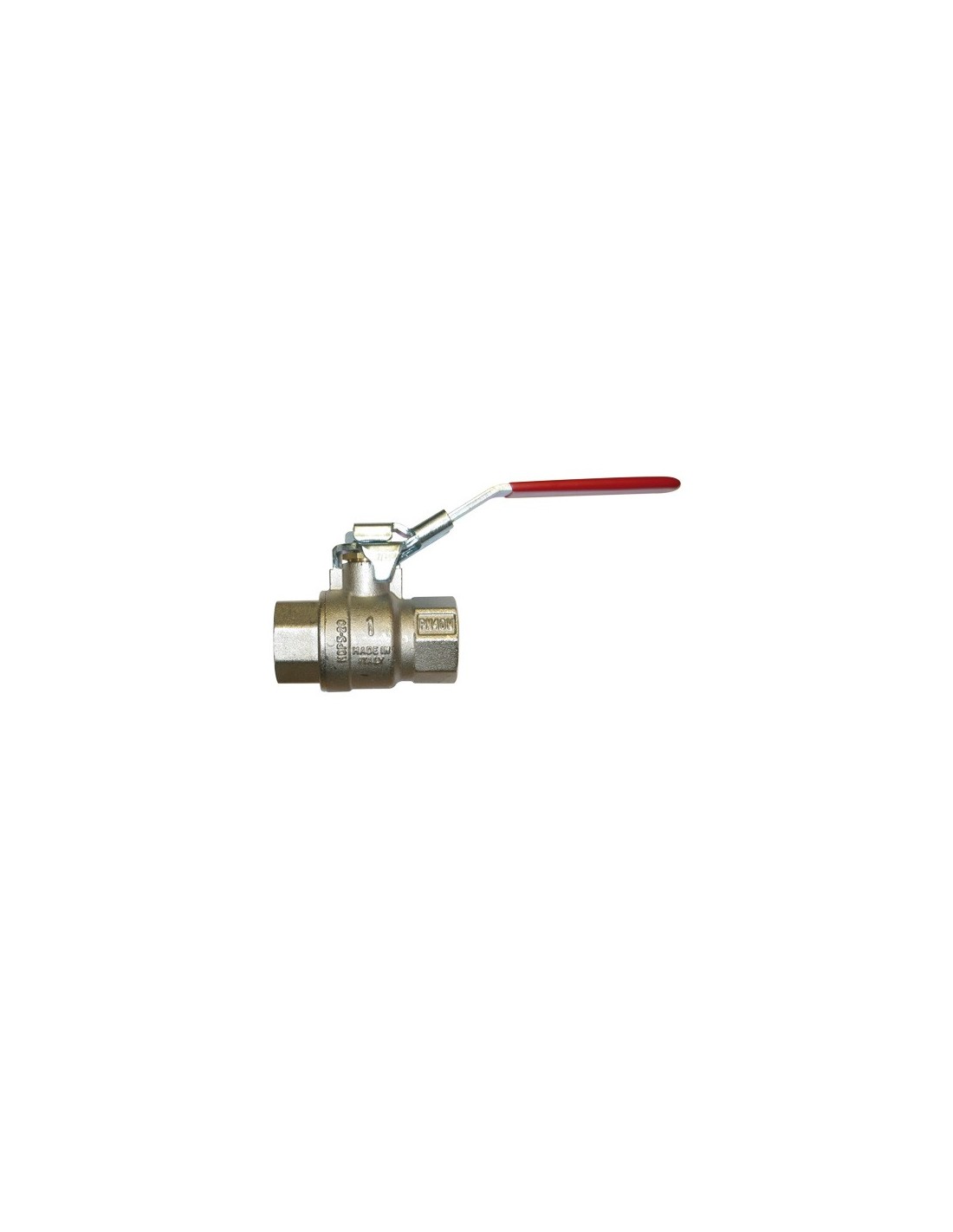
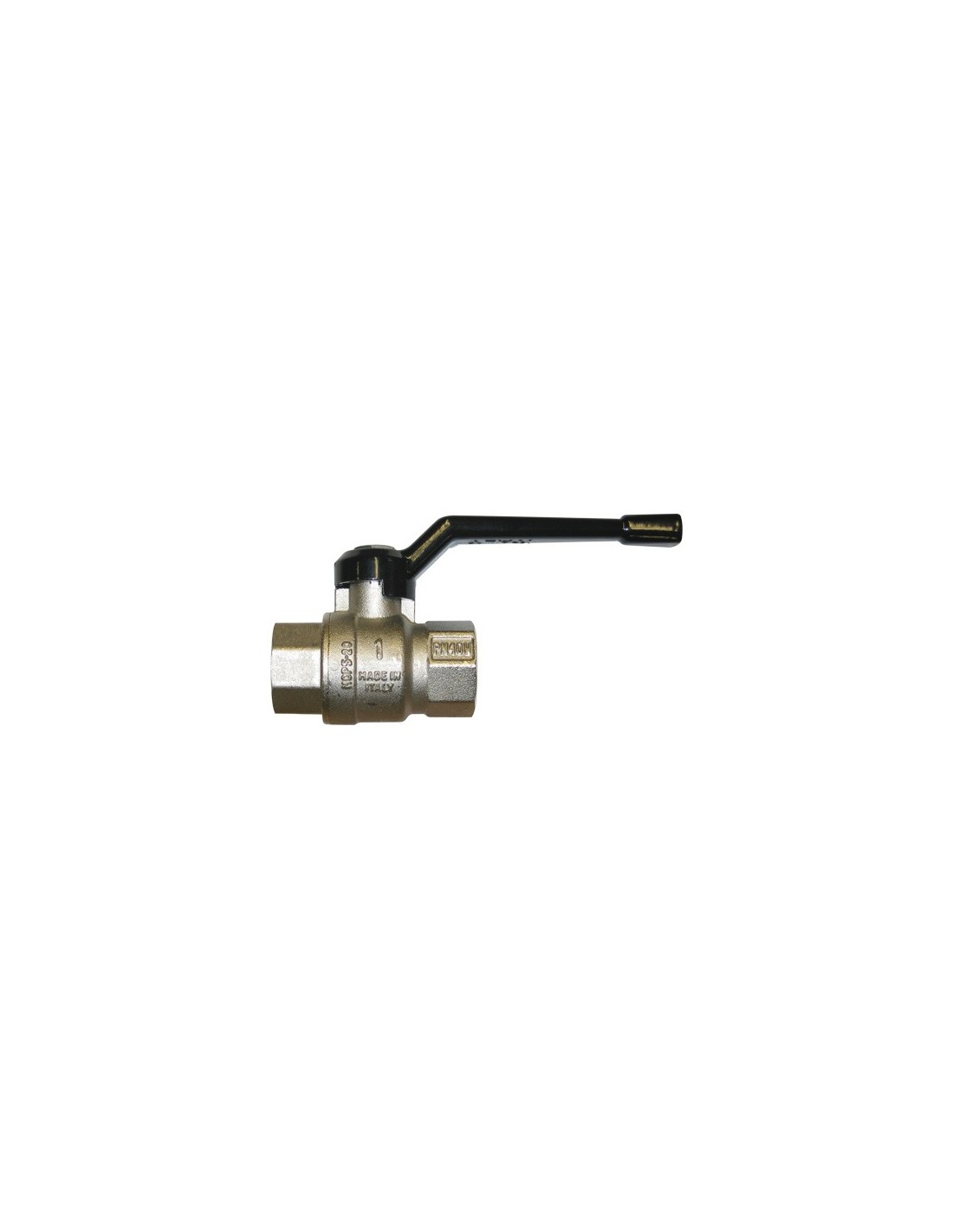
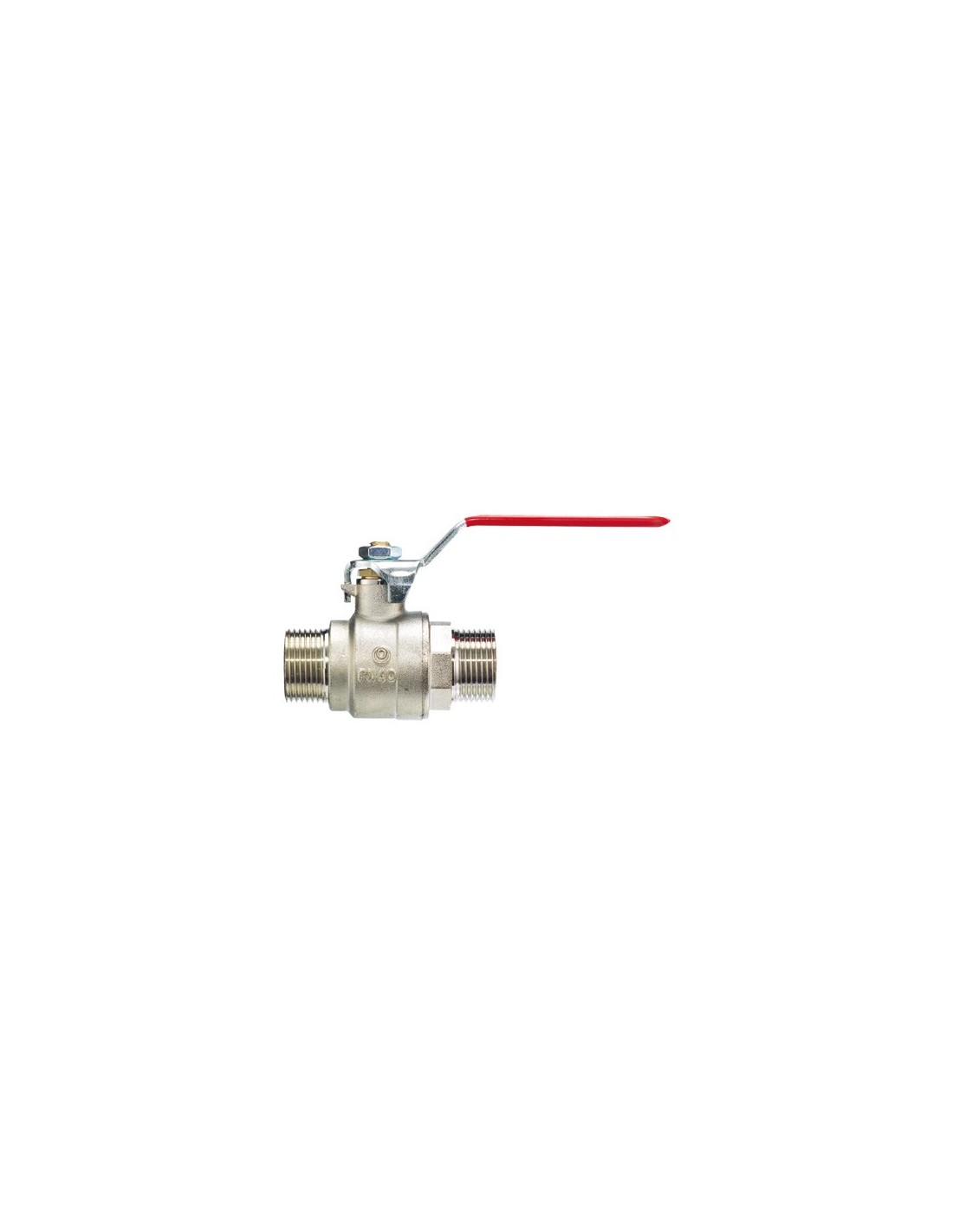
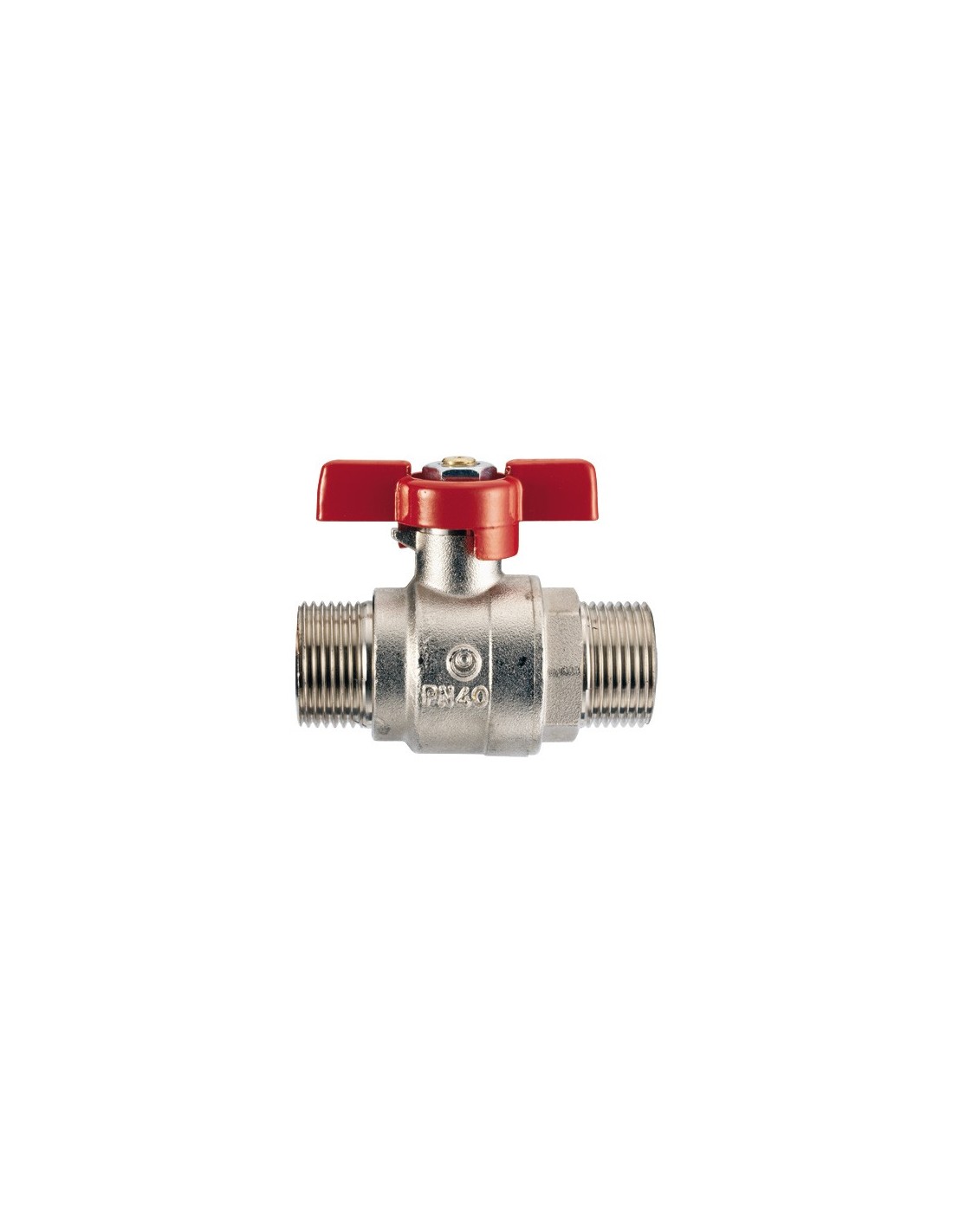
IVR Type 45/46/47/52 Brass Full-Bore Ball Valve

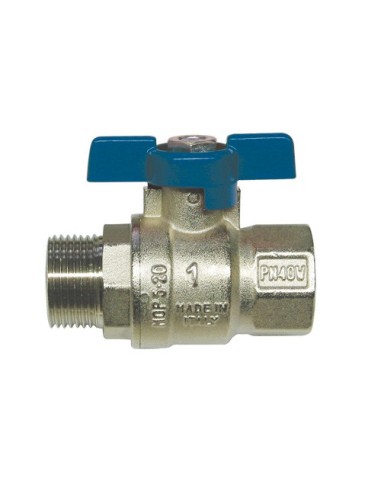
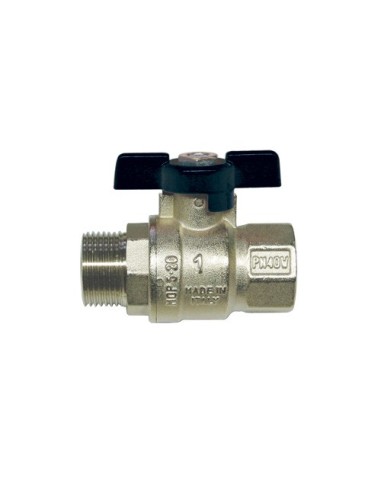
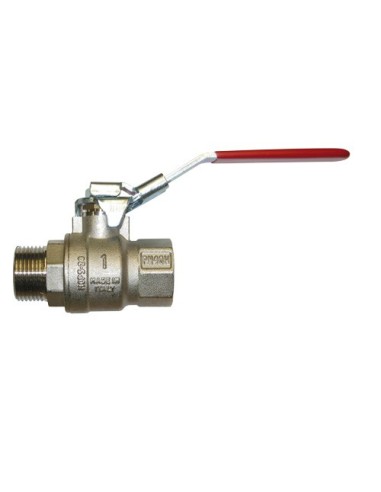
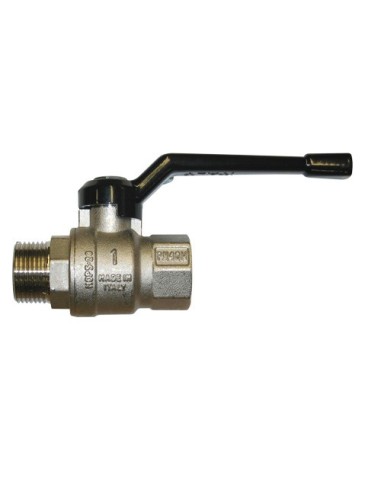
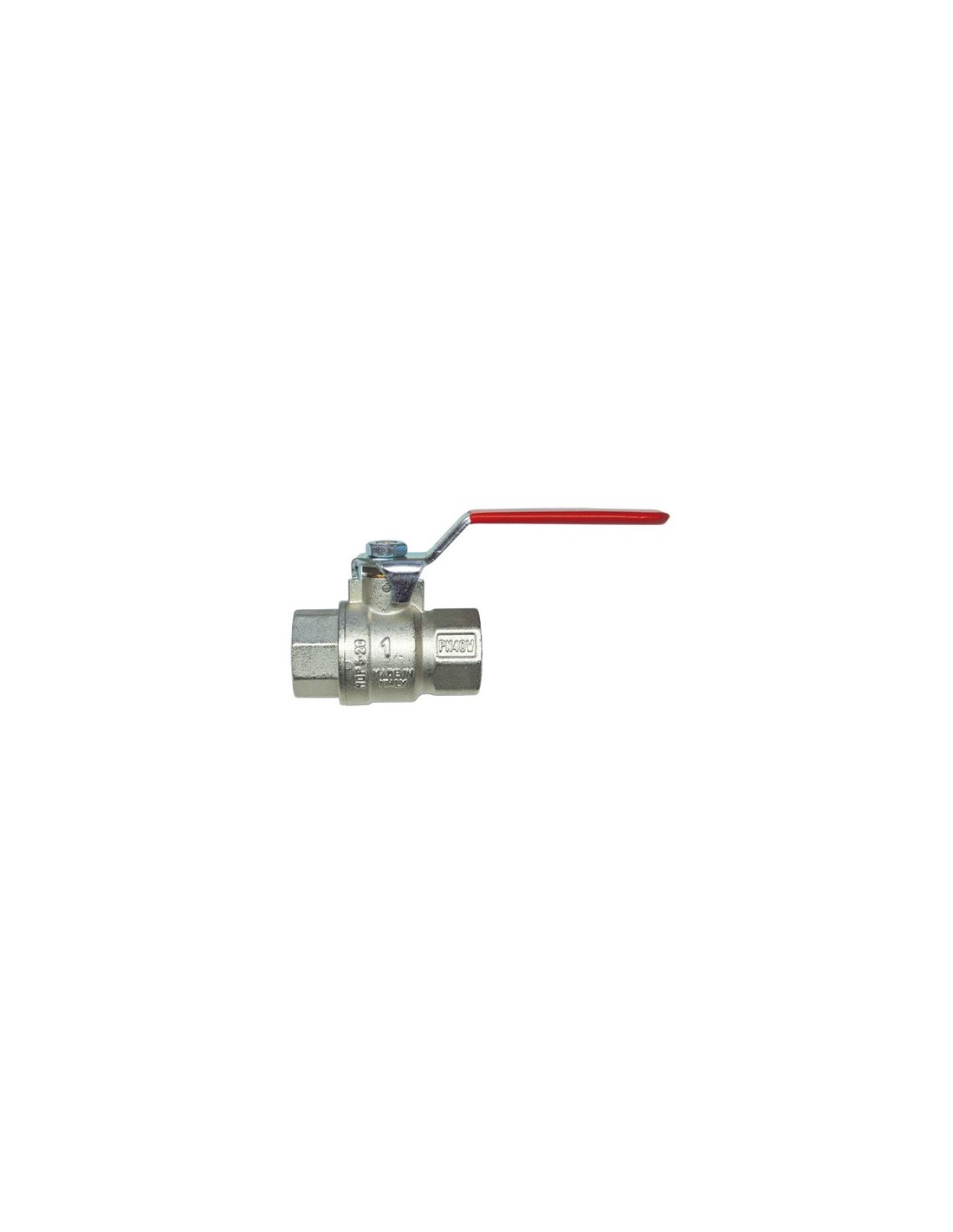
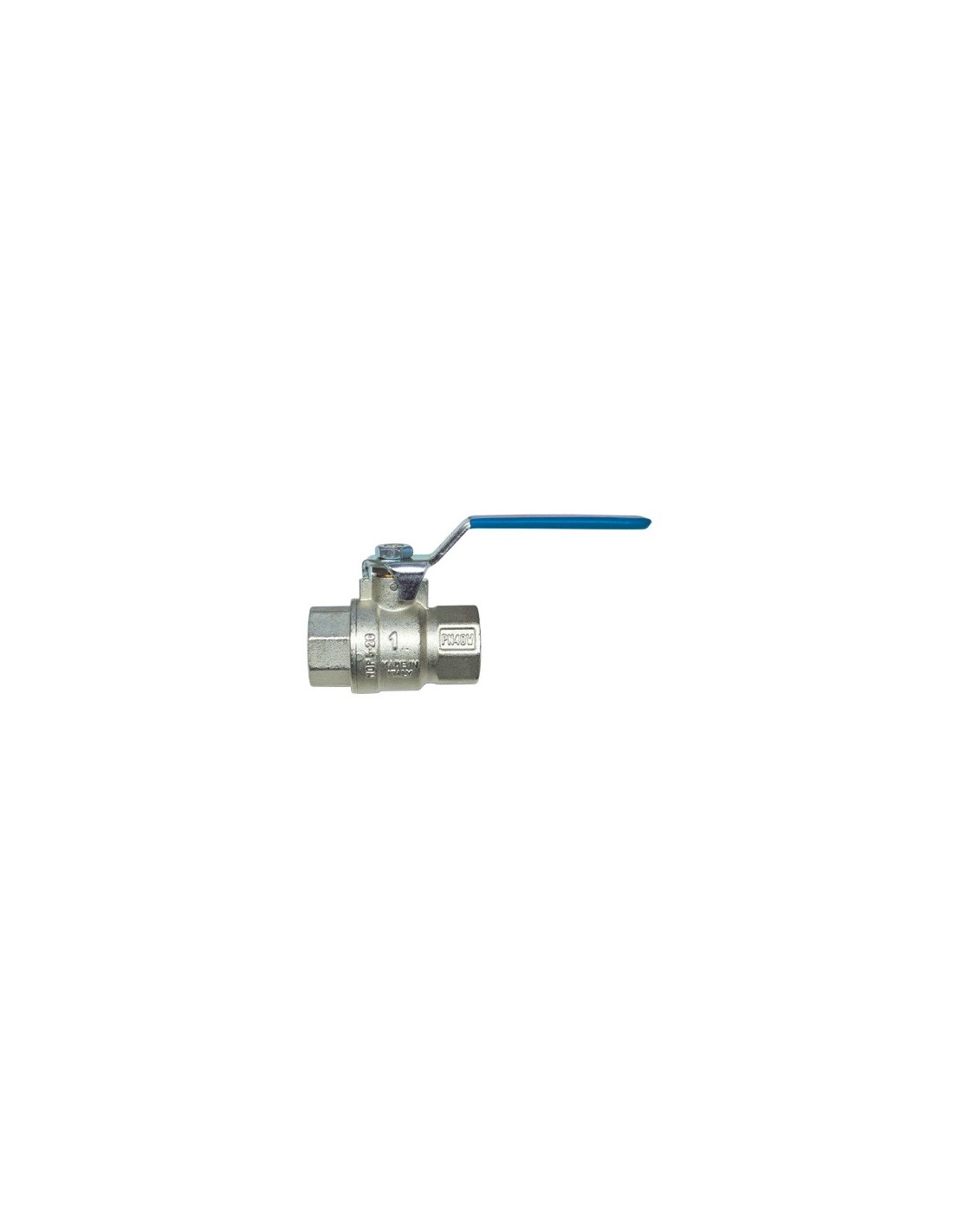
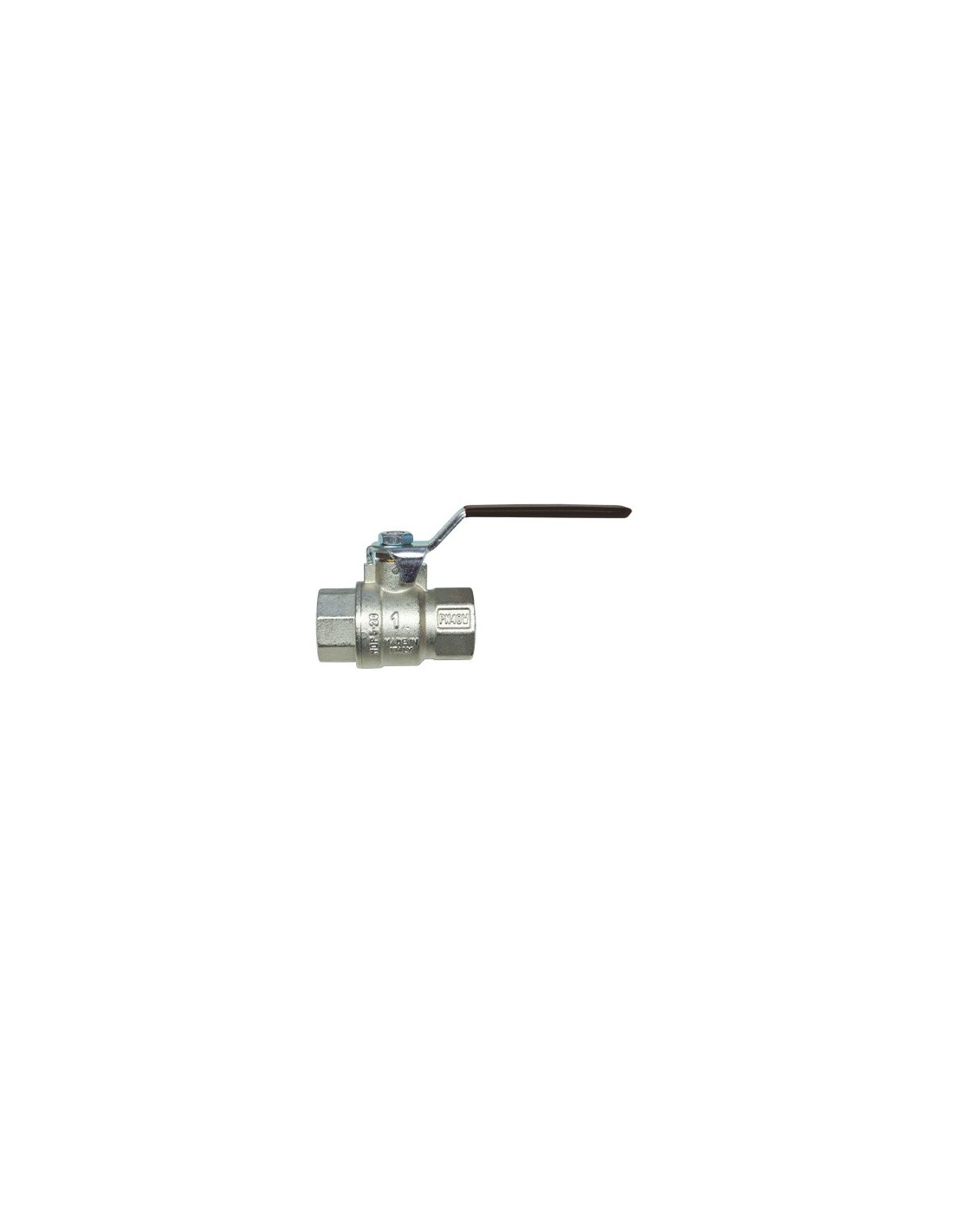
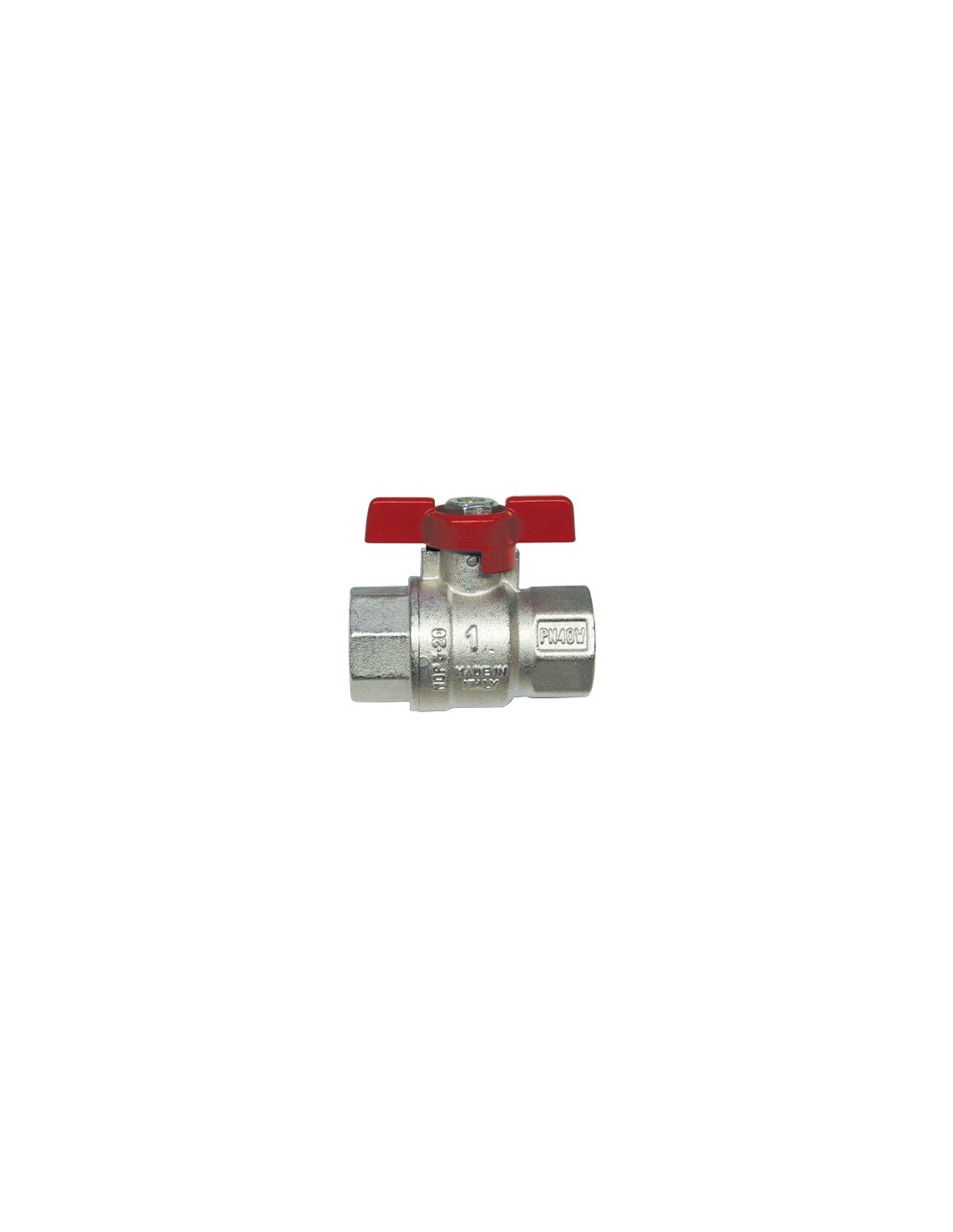
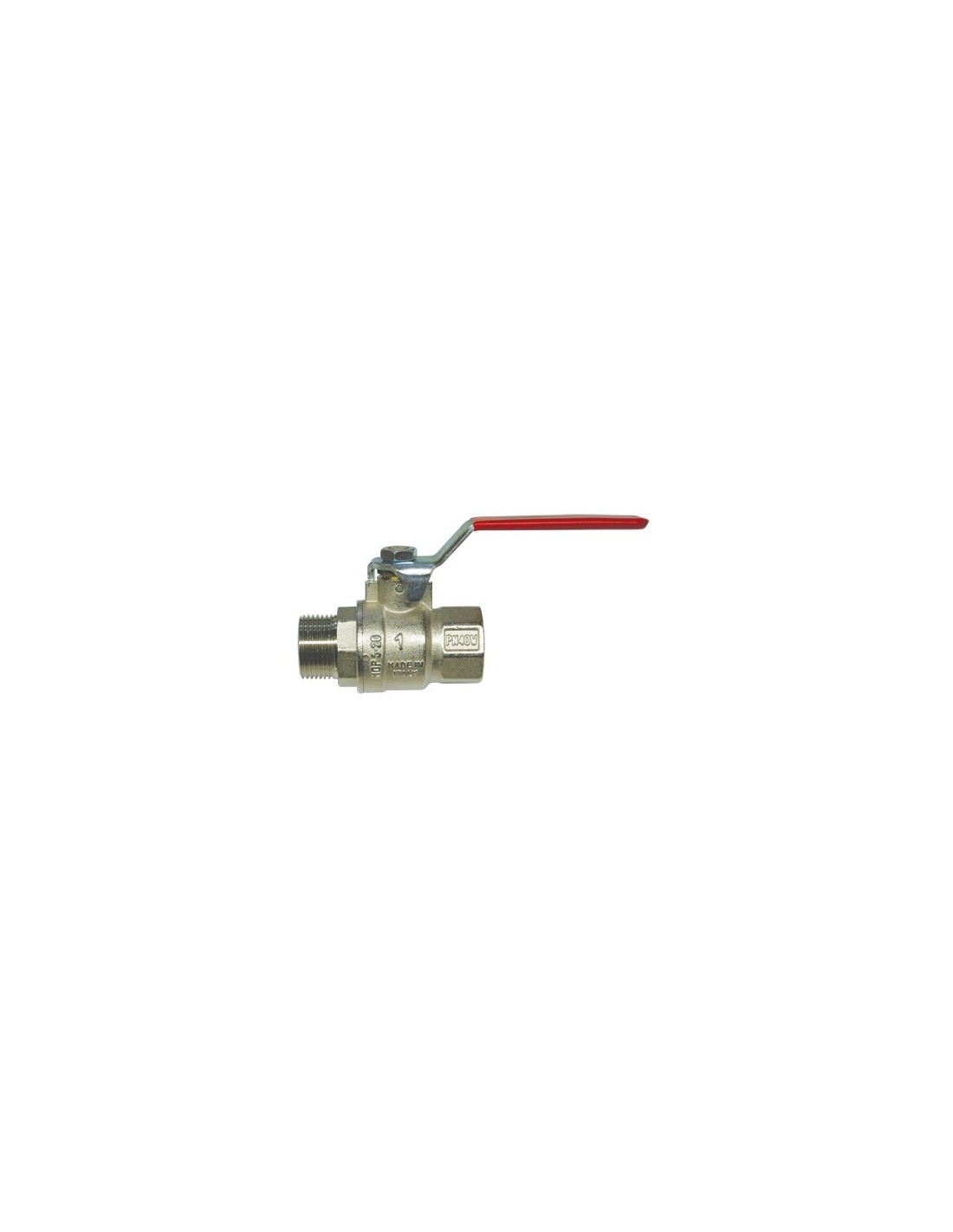
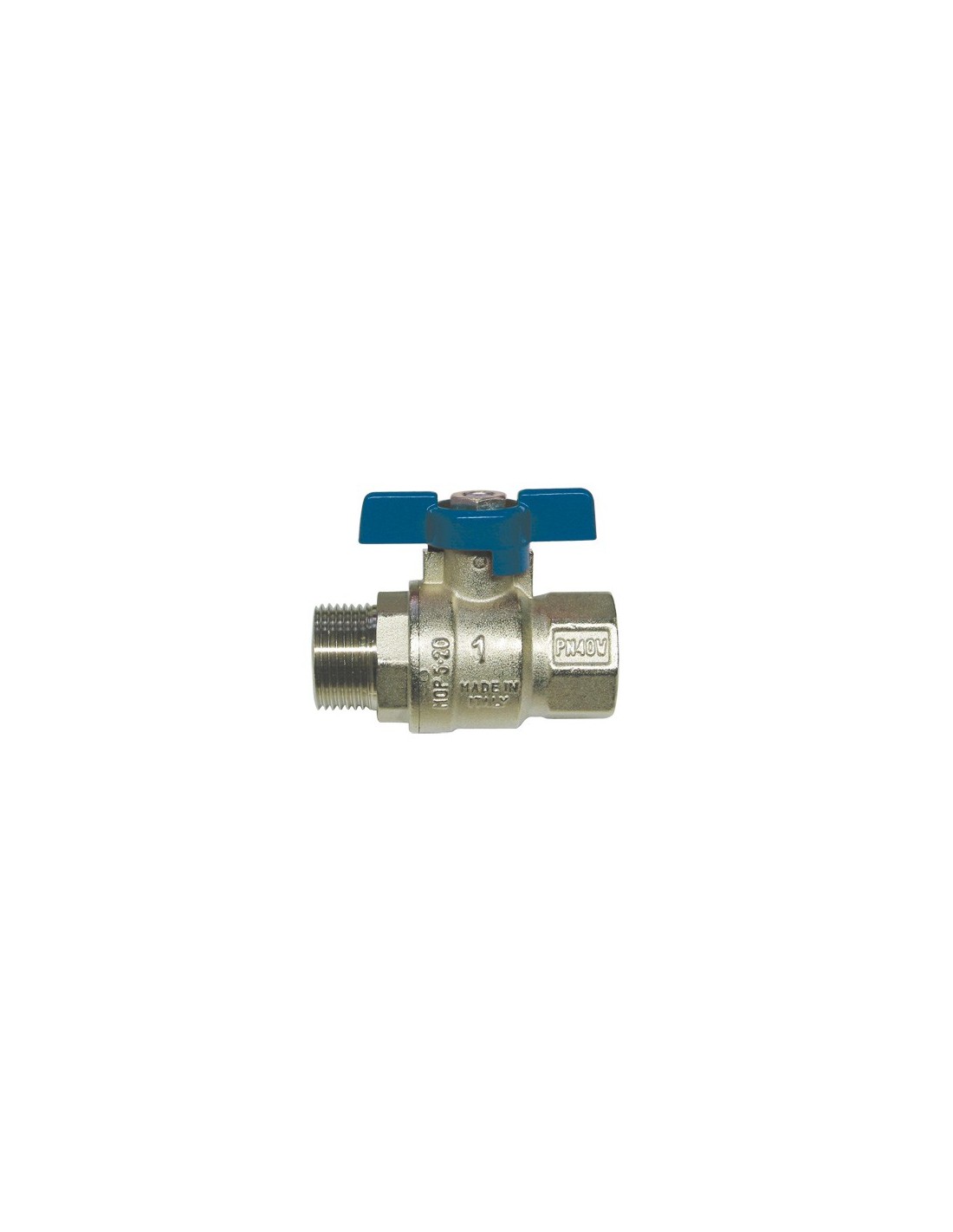
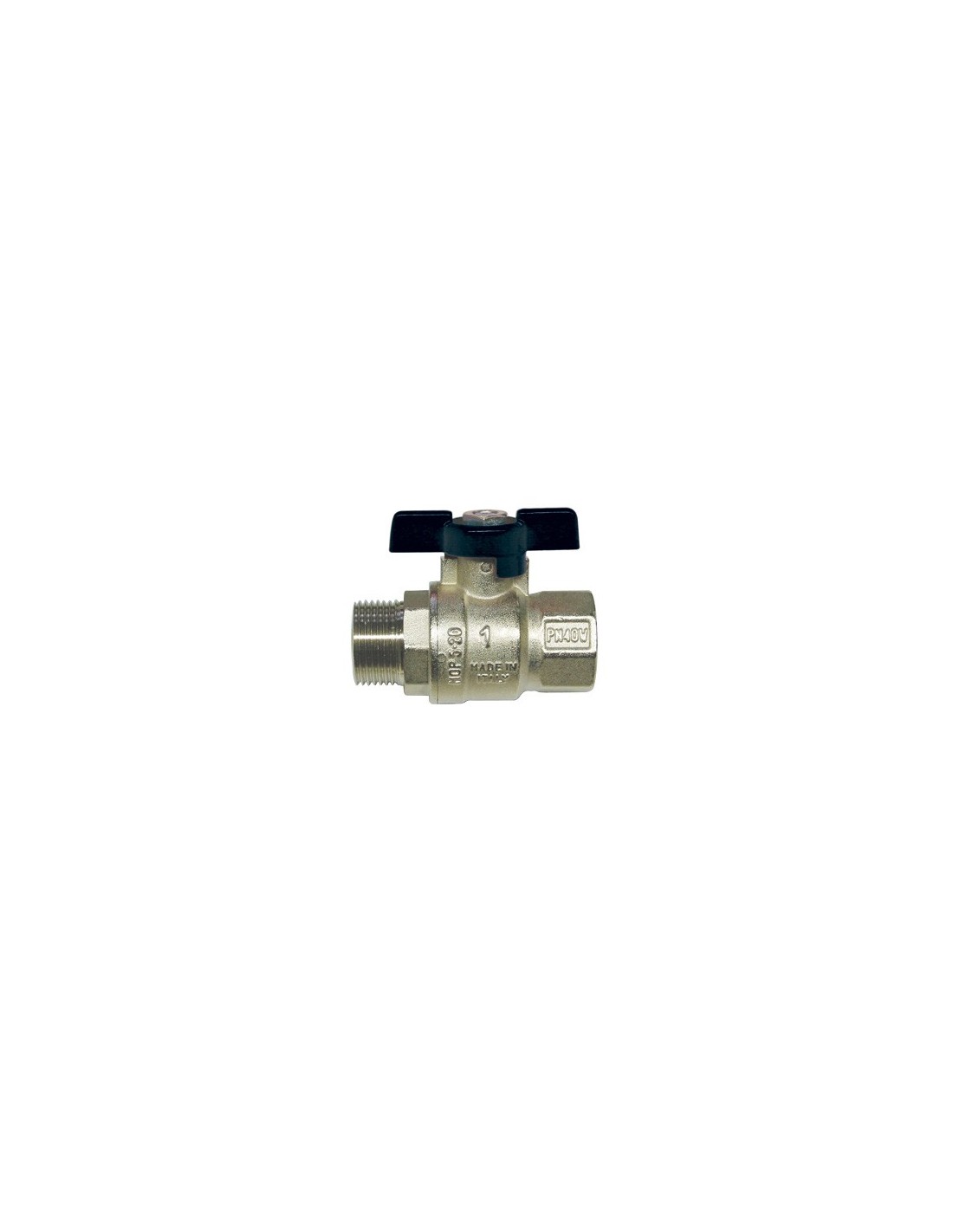
Brass full-bore ball valve for on/off isolation in hydronic circuits, HVAC services, compressed-air distribution and PED 2014/68/EU Class 1 liquids. Types 45, 46, 47 and 52 are mainly differentiated by end connection configuration.

Construction and Standards

  • Body material: CW617N brass
  • Seat material: PTFE
  • Thread connection: ISO 228-1
  • Dimensional reference: DIN execution
  • Nominal pressure: PN 25, PN 32 or PN 50, depending on size and version
  • Flow path: full bore, used where low pressure drop across the isolation valve is required
  • Regulatory scope: PED 2014/68/EU, subject to service category and installation conditions

Connection Variants

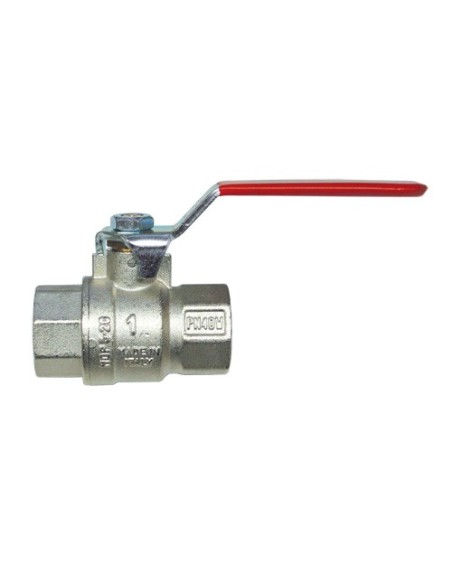
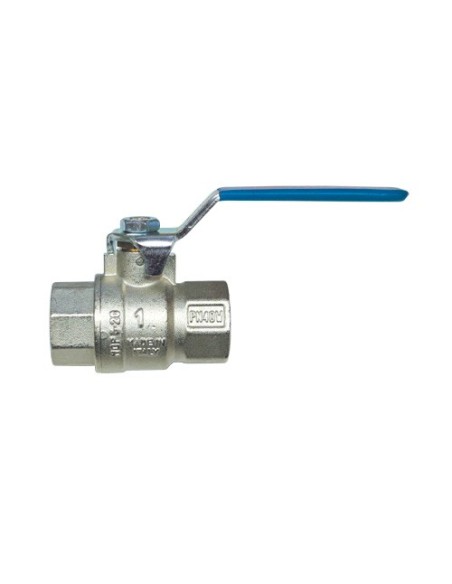
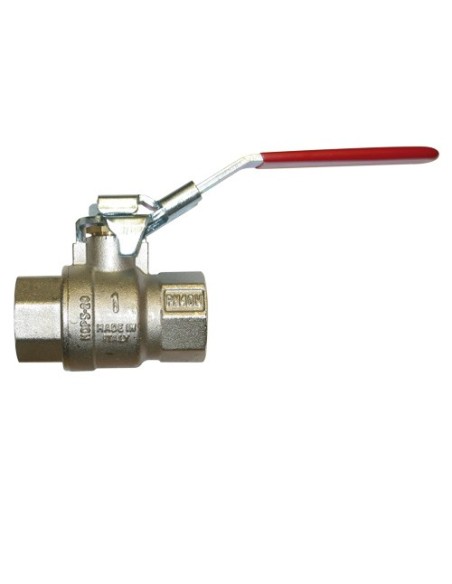
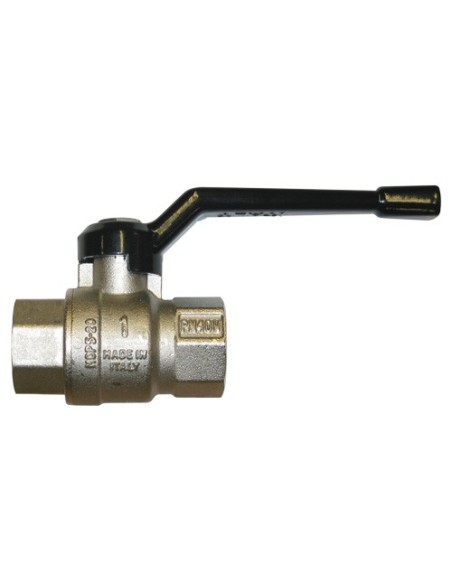
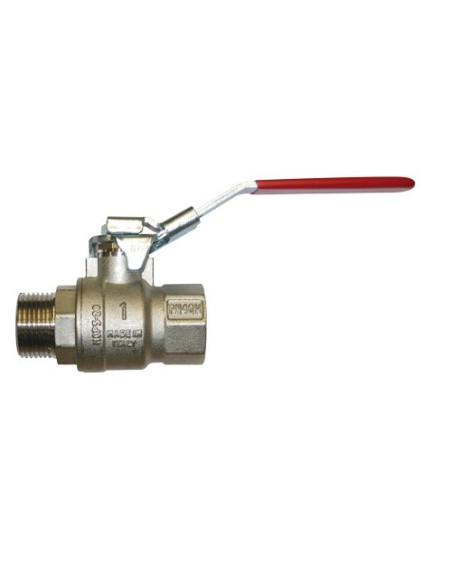
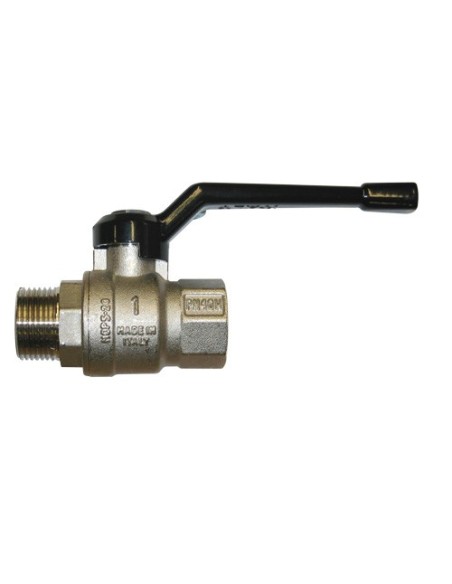
  • IVR 45: female / female threaded ends
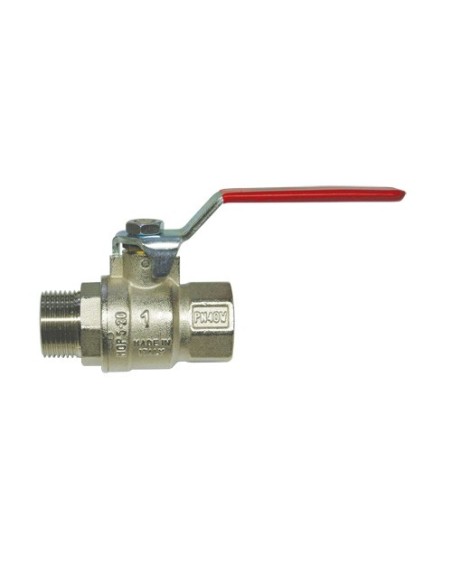
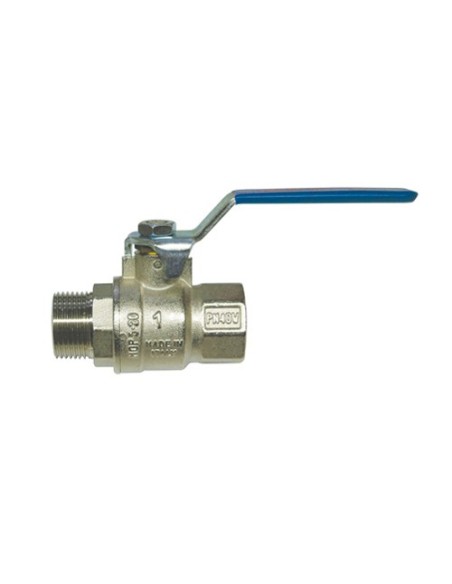
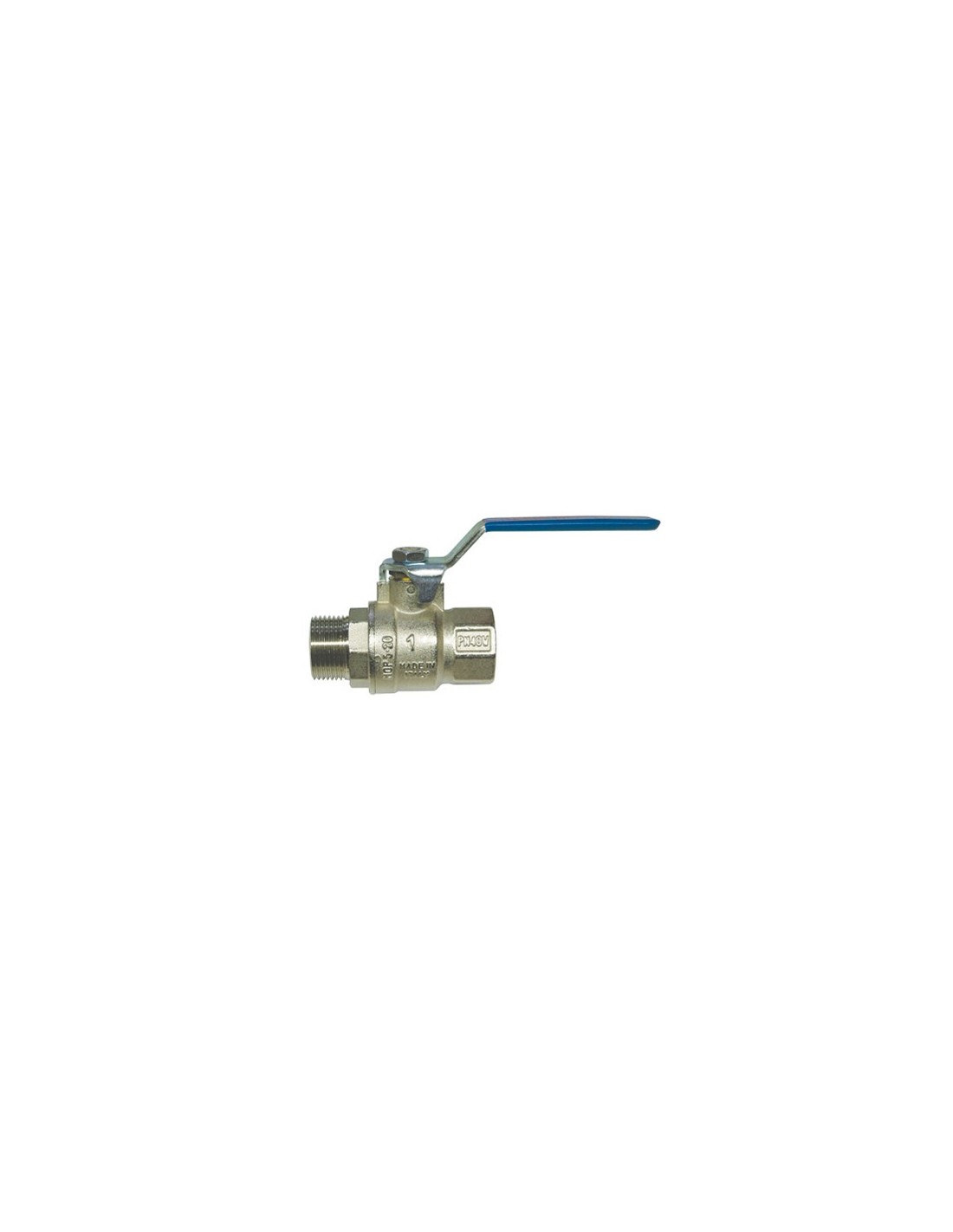
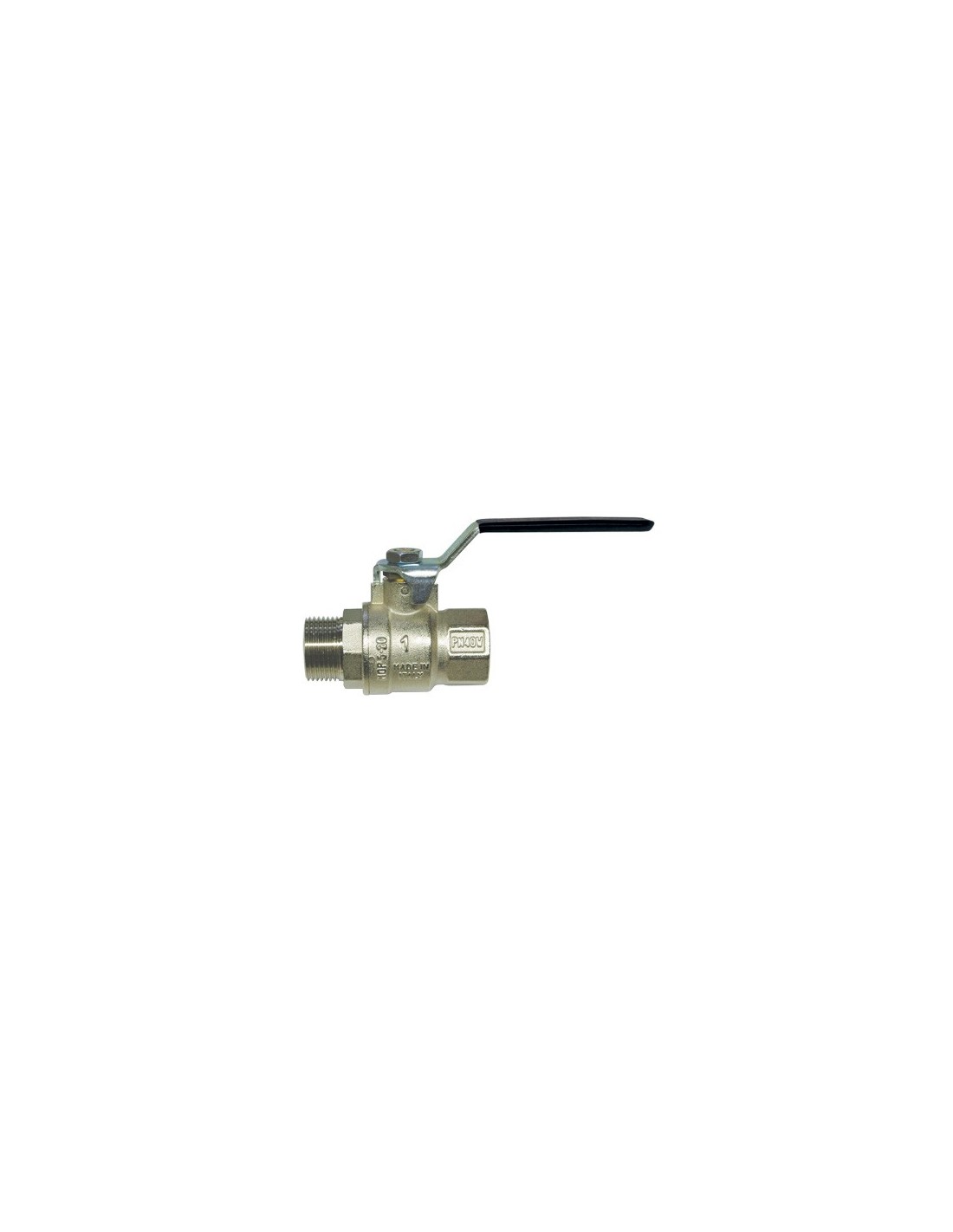
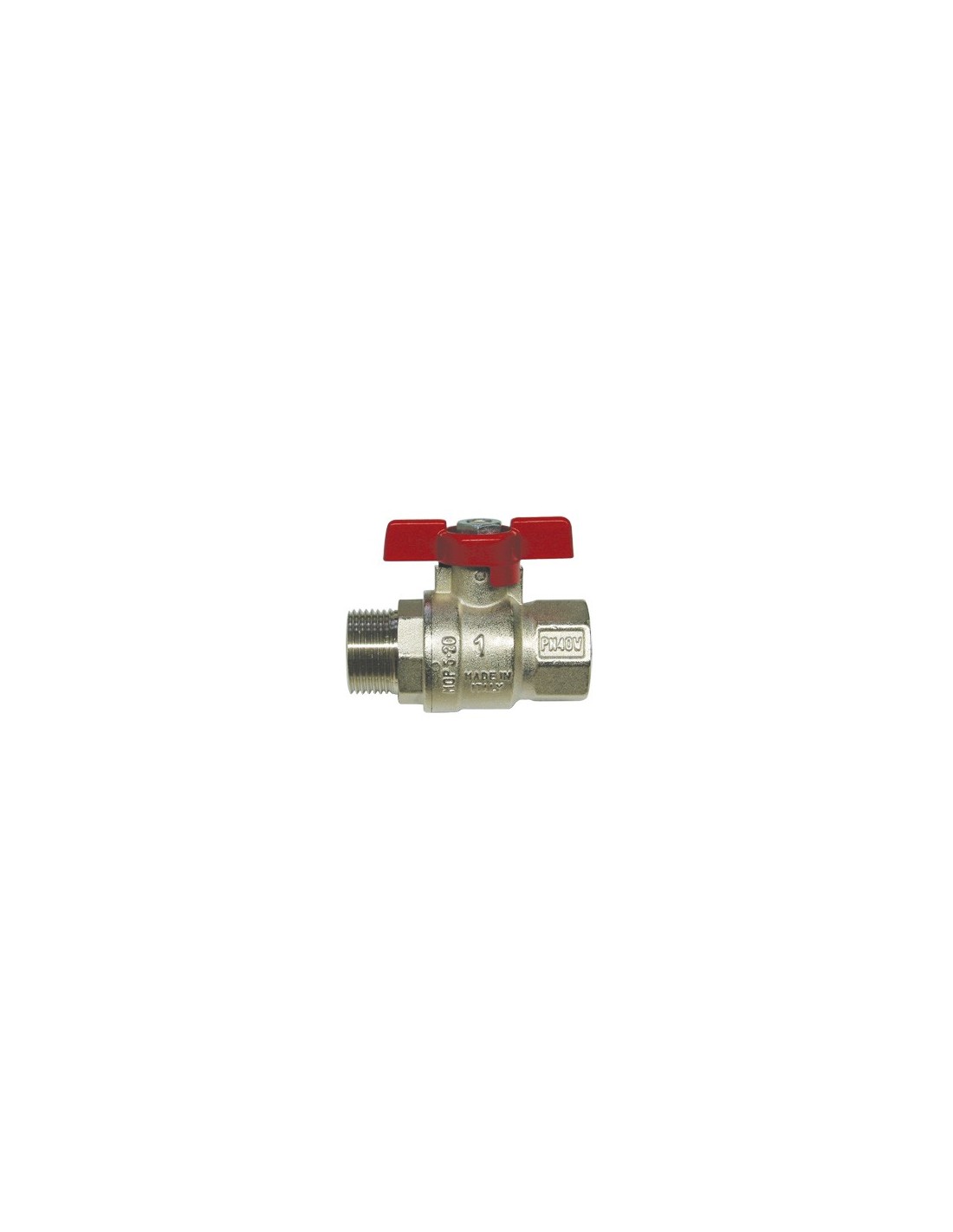
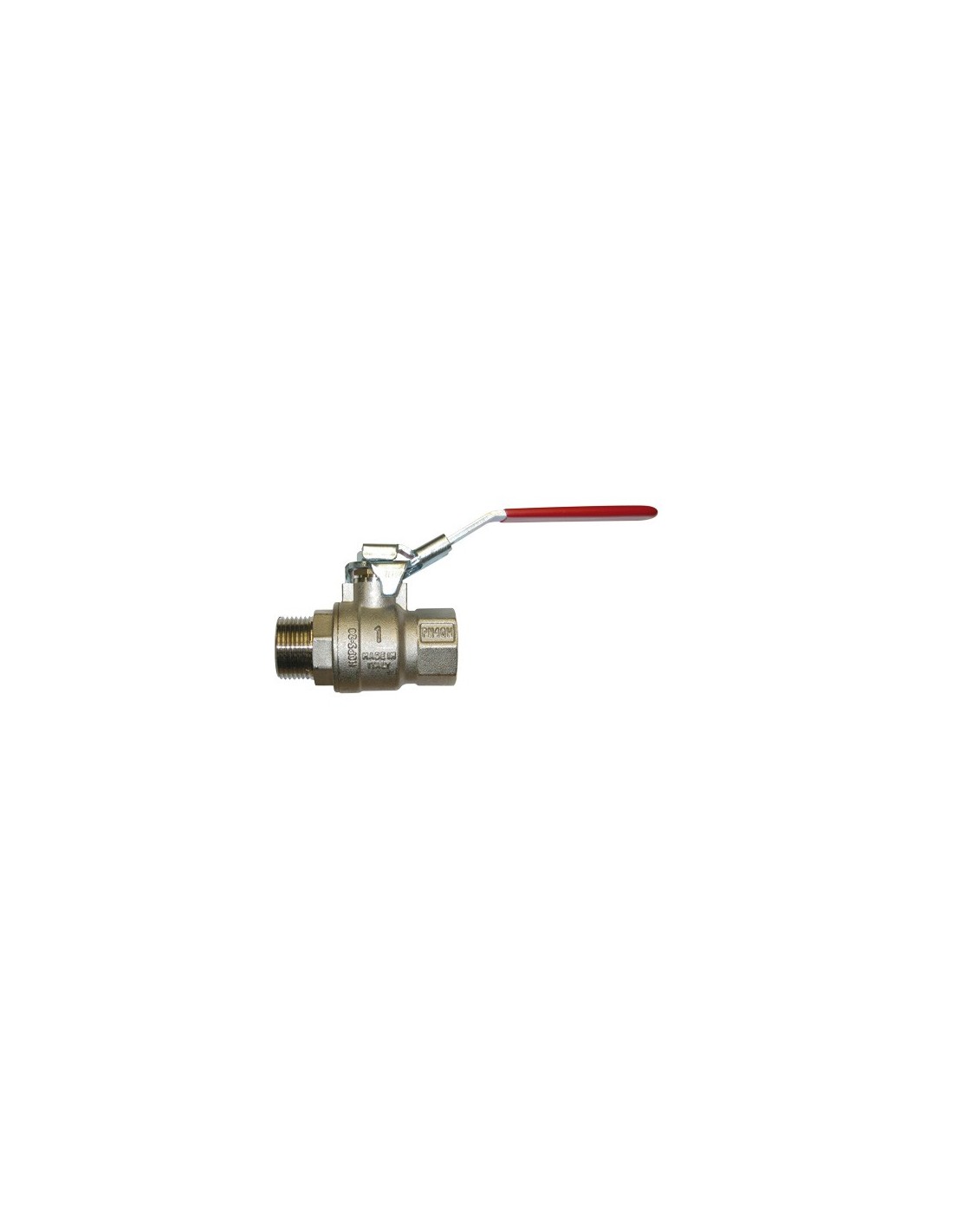
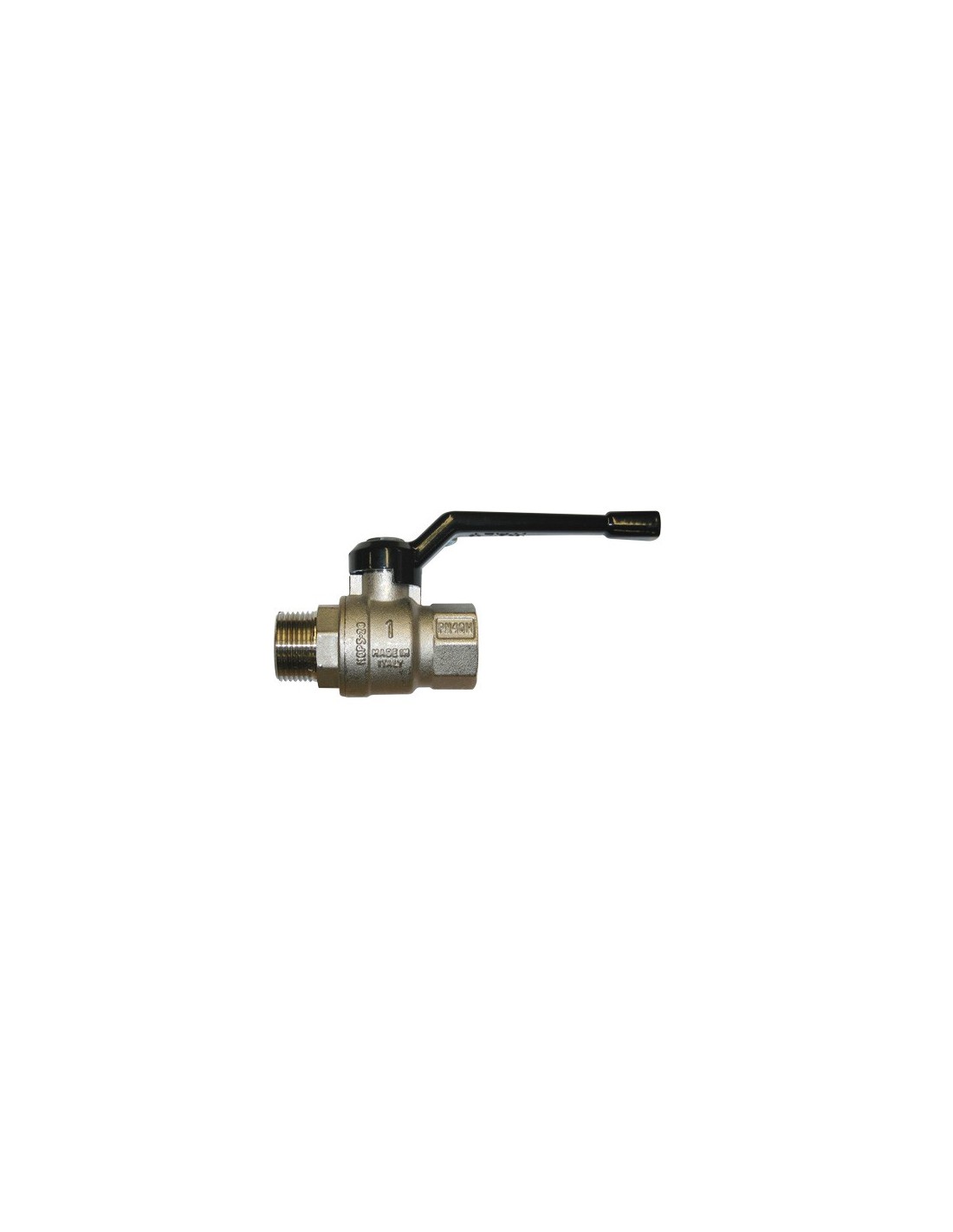
  • IVR 46: male / female threaded ends
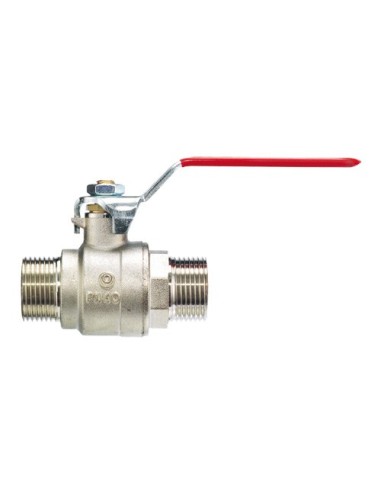
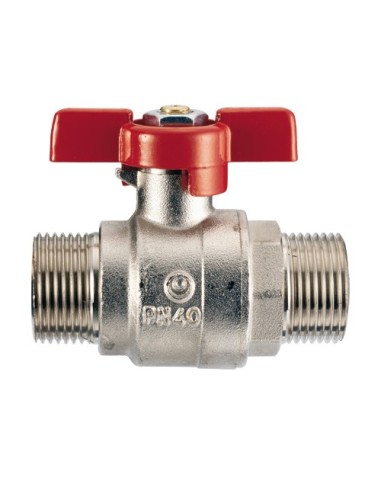
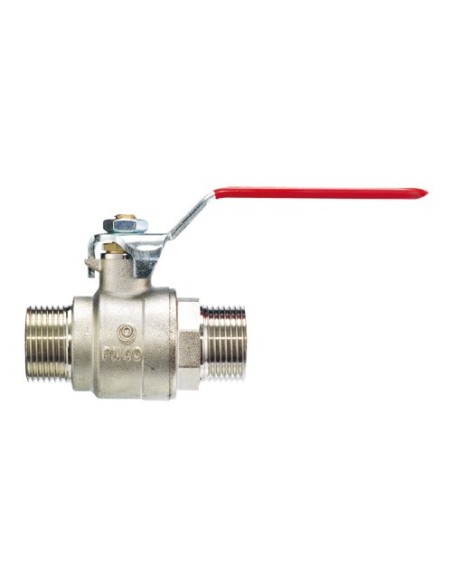
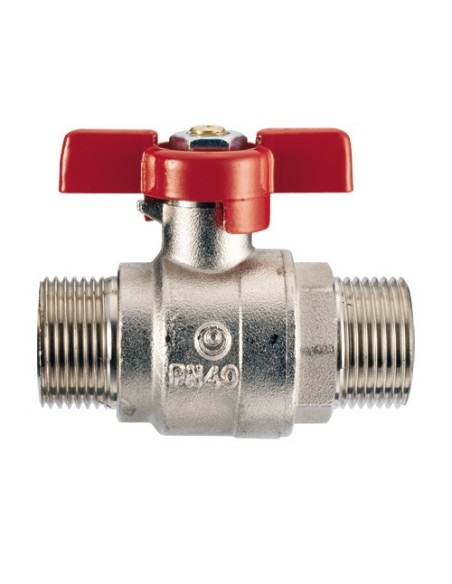
  • IVR 47: male / male threaded ends
  • IVR 52: female / female threaded ends in a different body arrangement

Suitable Media and Operating Conditions

  • Heating water, chilled water, potable or service water where compatible with brass and PTFE
  • Compressed air, including plant air and auxiliary air networks
  • Non-aggressive Class 1 liquids compatible with CW617N brass and PTFE seats
  • Temperature range to be checked against the IVR datasheet; PTFE-seated brass ball valves are commonly selected for HVAC and water services around -10 °C to 120 °C, with pressure derating at elevated temperature

Typical Industrial Applications

Used for isolation of equipment, branches and maintenance sections in heating, cooling, water distribution, compressor rooms, utility skids and compressed-air headers. The valve is intended for shut-off service, not continuous throttling or modulating control.

Selection Logic

  • Select PN rating against maximum operating pressure, pressure peaks and test pressure.
  • Check media compatibility with brass body, PTFE seats and any lubricants or condensate in compressed-air systems.
  • Match male/female thread arrangement to the piping layout to avoid unnecessary adapters.
  • For maintenance points, select the connection arrangement that allows removal without modifying the pipework.
  • Consider leakage class, stem sealing condition and isolation criticality for plant shutdown planning.

Actuation and Sealing Options

These types are normally specified as manually operated ball valves with a lever handle. If remote actuation is required, confirm that the selected IVR execution has an actuator mounting interface or use a compatible actuated ball valve version. Standard sealing is PTFE at the ball seats; alternative sealing materials must be verified with the manufacturer for chemical or temperature-specific duties.

FAQ

Can the valve be used for compressed air?

Yes, when pressure rating, temperature, condensate, oil carry-over and seal compatibility are verified for the compressor network.

What is the practical difference between IVR 45, 46, 47 and 52?

The main difference is the threaded end arrangement. Hydraulic function is similar; installation geometry and serviceability determine the correct variant.

Standard (Options)
  • DIN
Connection (Options)
  • ISO 228-1
Material (Options)
  • Brass CW 617N
Pressure Rating (Options)
  • PN 25
  • PN 32
  • PN 50
Seat (Options)
  • PTFE

Datasheet and documents

Description

Full bore ball valve. F/F (IVR 45) - M/F (IVR 46) - M/M (IVR 47) - F/F (IVR 52) thread ends. Applications: Class 1 dangerous liquids (non-gaseous) – according to the PED Directive 2014/68/EU - , hydrothermal systems, pressed air.