


Ball Valve Split body - Type FM2 | ADLER | Philippopoulos s.a.

Ball Valve Split body - Type FM2 | ADLER

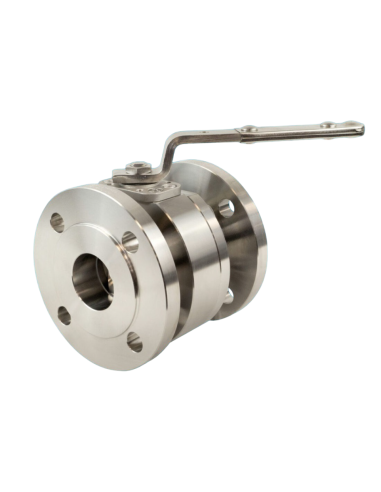
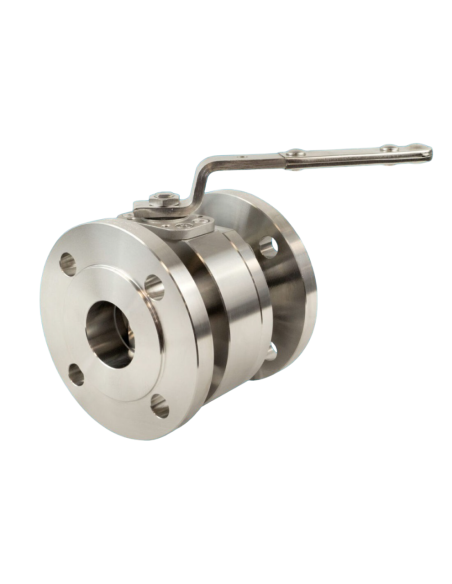
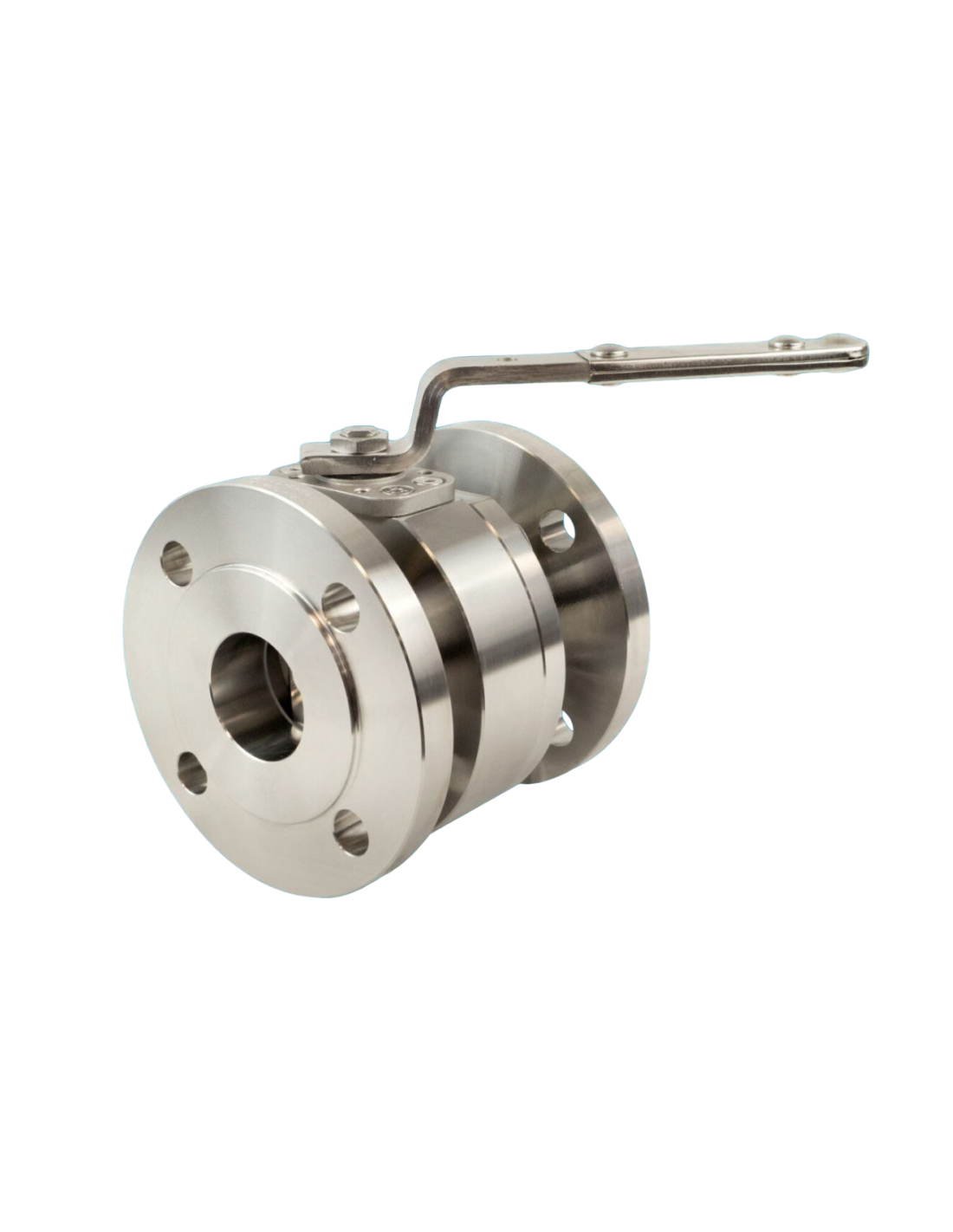
ADLER FM2 Split-Body Flanged Ball Valve

The ADLER FM2 is a two-piece, split-body, full-bore ball valve for isolation duty on PN flanged pipework. It is used where low pressure drop, bidirectional shut-off, and access to the seats during maintenance are required.

Technical Characteristics

  • Connection: DIN flanged ends
  • Pressure classes: PN10, PN16, PN25, PN40
  • Nominal sizes: DN15 to DN300
  • Body materials: carbon steel ASTM A105 or stainless steel ASTM A351 CF8M
  • Trim materials: ASTM A479 Type 304 or Type 316
  • Seats: PTFE or reinforced PTFE, selected according to pressure, temperature, and fluid compatibility
  • Anti-blowout stem design
  • Antistatic device for conductive continuity between ball, stem, and body
  • Chevron stem packing arrangement
  • Top mounting flange according to ISO 5211 for actuator installation
  • Double sealing arrangement at the body/end-cap joint

Standards and Available Executions

Design and dimensional references include EN 12516-2, ASME B16.34, EN 1759-1, ASME B16.5, ISO 14313, and EN 558 basic series 27. Available executions include fire-safe design to ISO 10497/API 607 or BS 6755/API 607/API 6FA, PED, TPED, ATEX, SIL 3, and ISO 15848 class A for fugitive emission control.

Sealing and Construction Options

  • Reinforced PTFE seats with glass, carbon, stainless steel, or bronze filler
  • Stem O-ring for additional sealing, depending on service conditions
  • Stem extension or cryogenic extension according to ISO 28921
  • Degreased execution for oxygen service according to ISO 23208
  • Manual lever, gearbox, pneumatic actuator, or electric actuator
  • Pneumatic or electro-pneumatic positioner for modulating or controlled on/off service

Typical Applications and Suitable Media

The FM2 is applied in water, compressed air, steam, fuel, neutral gas, and general process-fluid services. Selection shall verify compatibility of the medium with PTFE/RPTFE seats, stem seals, body material, and the specified pressure-temperature rating.

  • Utility isolation on PN pipe systems
  • Steam and condensate isolation where seat material limits are acceptable
  • Fuel and neutral gas distribution lines
  • Process skids requiring flanged full-bore isolation
  • Automated shut-off valves in packaged systems

Variant Selection

Carbon steel versions are typically selected for non-corrosive utilities and general industrial service. Stainless steel versions are used where corrosion resistance or cleaner service conditions are required. PTFE seats suit many neutral fluids; reinforced PTFE is selected where higher mechanical load, cycling, or temperature margin is required.

FAQ

When is a split-body ball valve selected?
When maintenance access to seats and internal sealing components is required without changing the basic flanged piping arrangement.

Can the FM2 be automated?
Yes. The ISO 5211 top flange allows installation of pneumatic, electric, or geared actuation packages.

Is it suitable for throttling?
It is primarily an isolation valve. Modulating use requires review of seat wear, cavitation risk, differential pressure, and actuator control requirements.

Standard (Options)
  • DIN
Connection (Options)
  • Flanged
Material (Options)
  • ASTM A105
  • ASTM A351 CF8M
  • ASTM A479 Type 304
  • ASTM A479 Type 316
Pressure Rating (Options)
  • PN 10
  • PN 16
  • PN 25
  • PN 40
Seat (Options)
  • PTFE
  • RPTFE

Datasheet and documents

Description

Ball valve 2 piece SPLIT BODY type full bore, manufactured from round bar or casted, construction in according to EN 12516.2; ASME B16.34; EN 1759-1 ; ASME B16.5; ISO 14313; ISO 14313, EN 558 (Basic series 27).

Available size from DN 15 to DN 300 in carbon steel and stainless steel.

Rating PN 10 ÷ 40.

Double seals on body/end junction (patent n°00216919)

Chevron ring on stem.

On request:

– with o’ring on stem (patent n°00219688).

– fire-safe execution according to ISO 10497 API 607

– fire-safe execution according to BS6755 API 607/6FA (patent n° 00219617).

– cryogenic execution ISO 28921

– according to PED 14/68/UE directive

– according to TPED 2010/35/UE directive

– according to ATEX 14/34/UE directive

– degreased according to ISO 23208 for oxigen service

– certified in safety system S.I.L. 3.

– certified for fugitive emission in class “A” ISO 15848.

Standard productions

anti blow out proof stem

construction and marking BS 5351

carbon steel valves painted with first coat of epoxy-

polyammidic RAL 5012 35 microns

antistatic device

top flange ISO 5211

all valves 100% air tested under water at 100 psi

On demand accessories

PTFE / glass renforced PTFE half shell

PTFE seats filled glass – carbon – S.S. – bronze, metal core

stem extension

cryogenic  extension

oval handle

pneumatic actuator double/single acting

electric  actuator

manual gear box

pneumatic / electro-pneumatic positioner

Certifications

– certified in safety system S.I.L. 3.

– certified for fugitive emission in class “A” ISO 15848.

– ISO 9001 by L.R.

– PED DIR. 2014/68/UE by L.R.

– ATEX DIR. 2014/34/UE by B.V.

– FIRE SAFE EXECUTION BS6755/API 607 by L.R.

– FIRE SAFE TESTED ISO 10497 by L.R.

– ISO 15848 by TÜV

– ANTISTATIC DEVICE by L.R.

– EAC CERTIFICATION by B.V.