


Ball Valve Floating Ball - Forged Side Entry Soft-seated | Neway | Philippopoulos s.a.

Ball Valve Floating Ball - Forged Side Entry Soft-seated | Neway

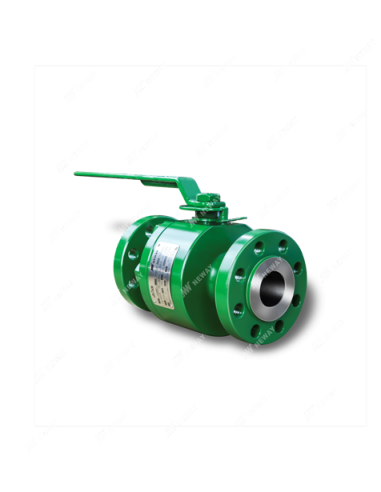
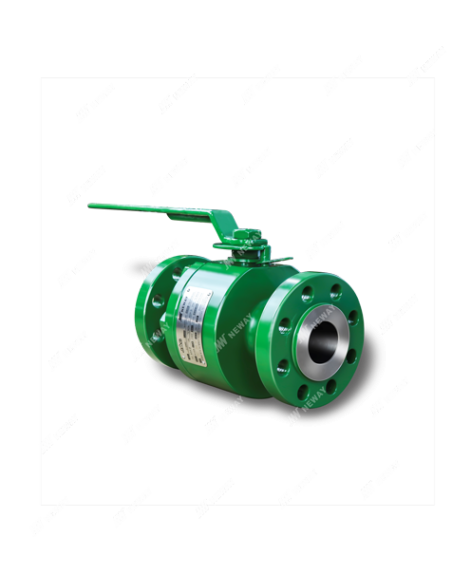
Neway Floating Ball Valve, Forged Side-Entry

The Neway floating forged side-entry ball valve is a soft-seated isolation valve for industrial piping where forged pressure-containing parts, higher pressure classes, or defined material specifications are required. Typical sizes are DN15–DN150 / 1/2"–6", with ratings from ASME Class 150–2500 / PN16–PN420.

Construction and Connections

The valve is available with forged body materials including carbon steel, stainless steel, alloy steel, duplex stainless steel, and special alloys, selected according to pressure, temperature, corrosion allowance, and fluid compatibility.

  • End connections: RF flange, RTJ flange, butt-weld, socket-weld, and NPT
  • Body pattern: side-entry bolted construction
  • Seat type: soft seat for tight shut-off service
  • Common seat materials: PTFE, RPTFE, PEEK, or other engineered polymers depending on temperature and media

Typical Applications

  • Chemical and petrochemical process lines
  • Process gas isolation
  • Hydrocarbon liquids, fuel oils, and lubricating oil systems
  • High-pressure utility and process services
  • Isolation duties requiring low seat leakage
  • Skid-mounted packages, compressor systems, and injection lines

Suitable Media and Operating Conditions

Selection depends on media chemistry, operating temperature, differential pressure, cycling frequency, and required leakage class. Suitable services may include clean liquids, gases, hydrocarbons, and compatible chemicals. Abrasive slurries or solids-bearing fluids require separate seat and cavity evaluation.

Standards and Project Compliance

  • Pressure design typically aligned with ASME B16.34
  • Face-to-face, end preparation, and flange drilling according to applicable ASME or EN standards
  • Fire-safe, NACE sour service, fugitive emission, and material certification requirements should be specified at inquiry stage where applicable
  • Pressure testing and inspection according to project datasheet or relevant valve test standard

Selection Logic Versus Cast Floating Ball Valves

A forged side-entry floating valve is normally selected when the line class, material traceability, wall thickness, or pressure boundary requirements exceed what is preferred for a cast floating design. Cast valves may be acceptable for lower pressure, general service applications, while forged construction is commonly used for higher class and critical material specifications.

Actuation and Operation

  • Manual lever or gearbox, depending on size and torque
  • Pneumatic actuator for on-off service or ESD functions
  • Electric actuator for remote isolation duties
  • Hydraulic actuator for high-torque or safety-related applications

Actuator sizing should consider maximum differential pressure, seat material, service temperature, breakaway torque, safety factor, and fail-open or fail-closed philosophy.

FAQ

When should a forged side-entry floating ball valve be used?

Use it where higher pressure class, forged material construction, compact isolation, and tight soft-seat shut-off are required.

Is it suitable for throttling?

No. A floating soft-seated ball valve is primarily an isolation valve. Continuous throttling can damage seats and increase leakage.

What must be checked before ordering?

Confirm ASME/PN rating, body and trim material, seat material, temperature, pressure drop, end connection, leakage requirement, actuator torque, and applicable certifications.

Datasheet and documents

Description

Size:1/2"~6"(DN15~DN150)

Pressure Rating: ASME CLASS 150~2500(PN16~PN420)

Body material:Carbon steel, Stainless steel, Alloy steel, Duplex stainless steel,exotic alloy etc.

End connection:FLNG( RF, RTJ), BW, SW, NPT

Operation:Manual, Pneumatic, Electric, Hydraulic,ect.