

Large strainers Y | Conaco

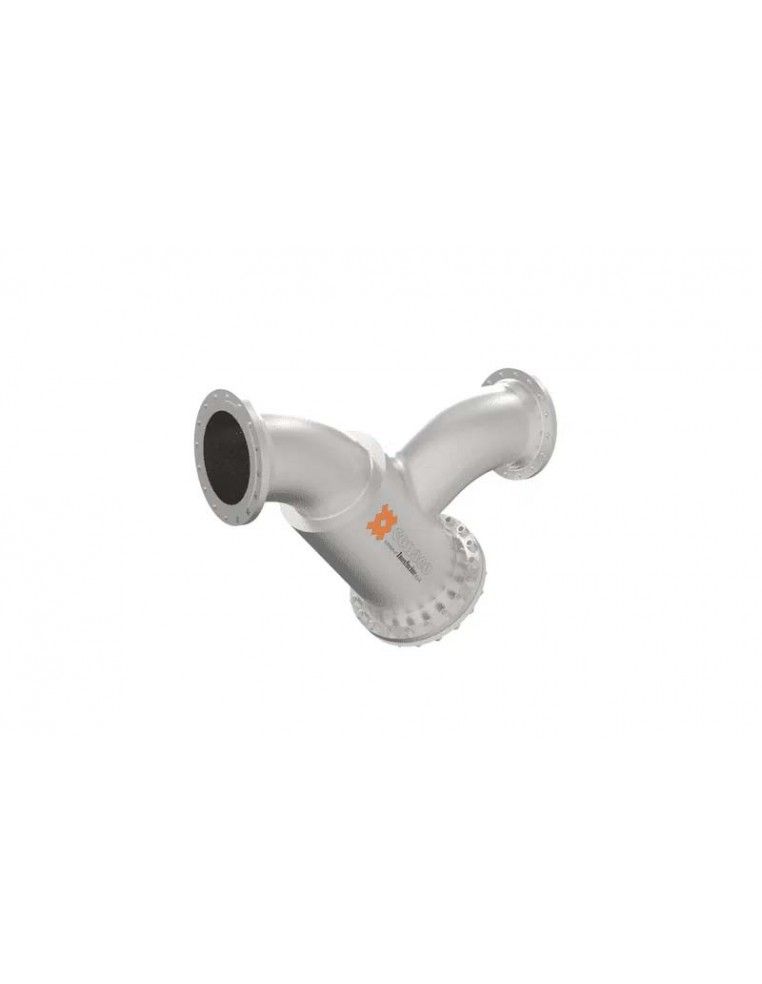
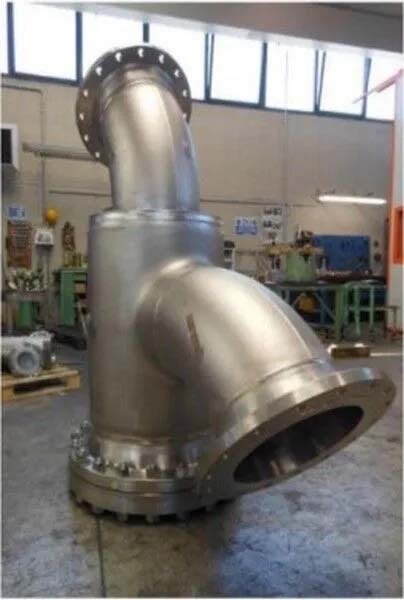
Y-Type Strainers Large Conaco Type 717
Conaco Type 717 are large-diameter Y-type strainers designed for industrial pipelines with ANSI pressure class ratings. Typical installation points include upstream of pumps, control valves, turbines, flow meters, and process equipment where retention of rust, weld debris, or solid particulates is required to protect downstream assets.
Manufacturing Range
- Type: Large Y strainer, Type 717.
- ANSI rating: Class 150 to Class 2500.
- Sizes: 2″ to 60″ and above.
- Connections: custom flanges or clamp connections per project specification.
Body Materials
Available in carbon steel, low carbon steel, alloy steel, high alloy steel, and special alloys. Material selection should be based on piping specification, process fluid, temperature, corrosion, weldability, and pressure-temperature rating.
Screen and Additional Configurations
Screens can be supplied with double or triple layers, mesh on perforated plate, or mesh-on-mesh. For ferrous particle retention, magnetic assemblies are available. Drain connections with nipples, flanges, valves, or plugs, vent connections, and DP gauge ports can be specified.
Lining and Protection
For corrosive media or specific environmental conditions, epoxy lining, cladding, rubberizing, and specialized coatings are available. Lining selection must consider chemical compatibility, temperature, and risk of under-lining corrosion.
Selection Criteria
Selection is based on:
- ANSI class and line size,
- flow rate and allowable pressure drop,
- clean and contaminated screen area,
- particle retention size,
- access for cover opening and cleaning,
- DP monitoring requirements.
For pump suction, increased Δp due to screen blockage must be checked against available NPSH.
FAQ
When is Type 717 selected?
For large diameters or special piping classes requiring custom Y-strainers with ANSI rating up to Class 2500.
Is actuator mounting possible?
No. This is a passive in-line strainer.
Are standards referenced?
Documentation covers ratings, sizes, materials, and construction options, but does not specify test standards or certifications.
Description
Tap to zoom