
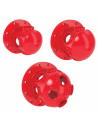
Fire Protection Equipment
Fire protection equipment is applied in water-based fire suppression networks, including sprinkler and deluge systems, fire pump stations, fire manifolds, fire water tanks, marine installations, and industrial facilities where controlled isolation, non-return protection, pressure reduction, and automatic flow actuation are required. Selection should be based on the hydraulic design, required flow rate, design pressure, set pressure, pressure loss, extinguishing medium, material compatibility, and end-connection standard.
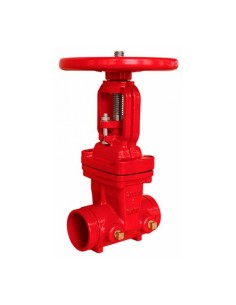
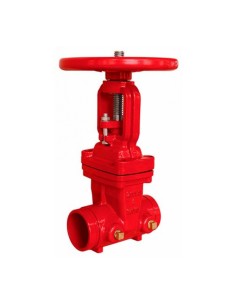
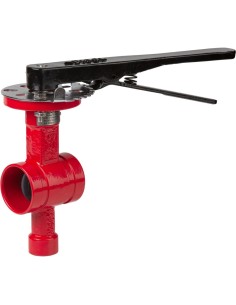
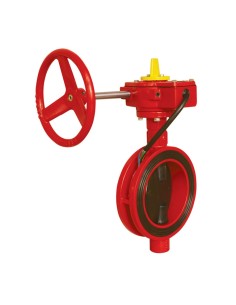
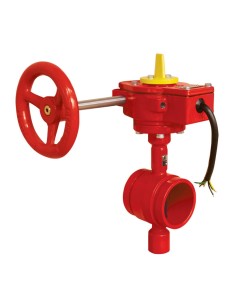
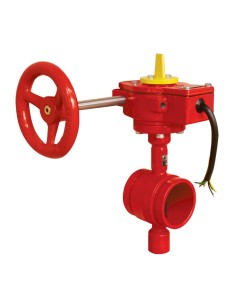
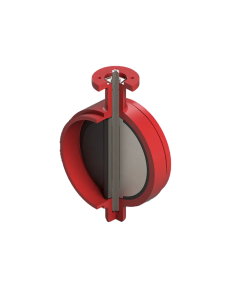
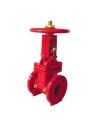
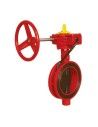
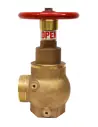
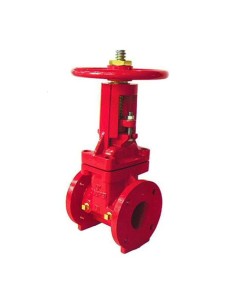
Gate valves and butterfly valves are used as isolation valves on main lines, sprinkler branch lines, and manifolds. Available configurations include flanged, grooved, and wafer ends, with hand lever or gearbox actuation and supervisory switches for valve position monitoring through fire alarm panels or BMS. The referenced range includes PN10/16 and ANSI Class 150 pressure ratings in selected versions.
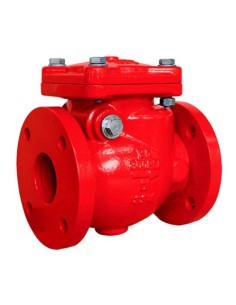
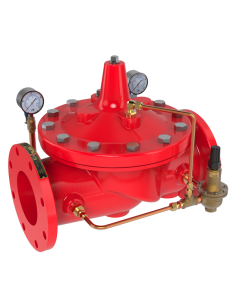
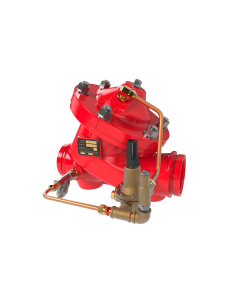
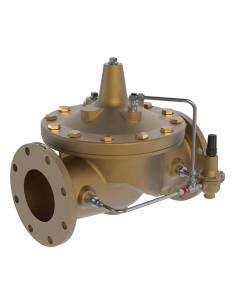
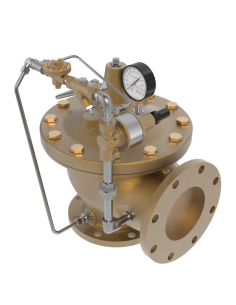
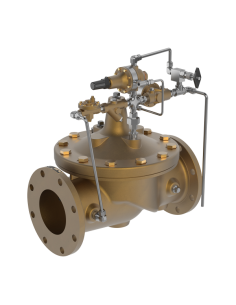
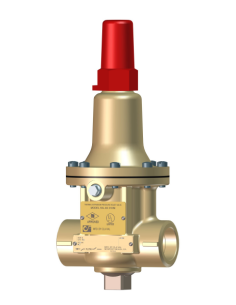
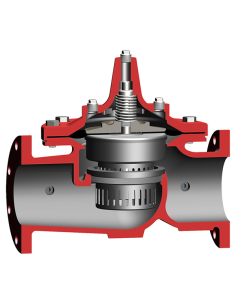
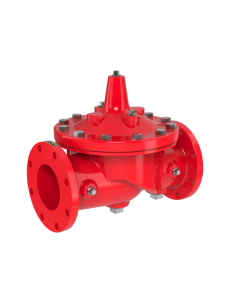
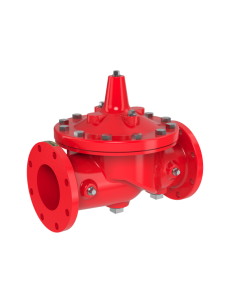
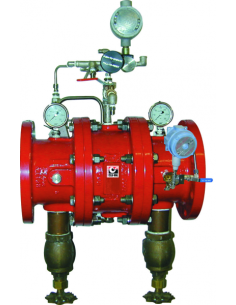
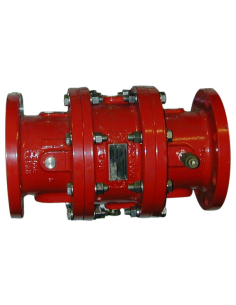
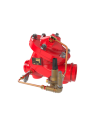
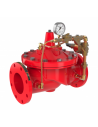
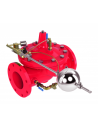
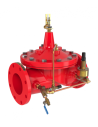
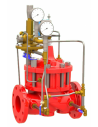
Check valves are installed to prevent reverse flow from higher-pressure zones, pump discharge lines, or external supply sources. Cla-Val pressure reducing valves are used where available network or pump pressure exceeds the allowable downstream pressure of protected zones. Relief valves are applied to protect pumps, pipelines, and closed sections against overpressure, including arrangements for pump start, pump casing relief, and anti-cavitation trim where transient or low-NPSH conditions must be considered.
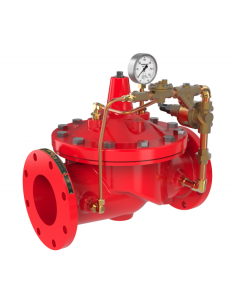
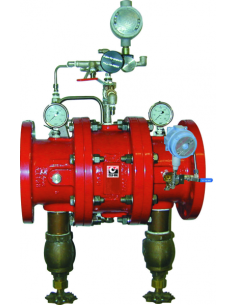
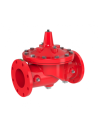
Deluge valves are used in deluge and special fire suppression systems, with hydraulic, solenoid, or pneumatic actuation options, as well as manual bypass, remote control, and pressure control functions. For corrosive or marine service, seawater-compatible executions and titanium constructions are specified where required, subject to review of body material, trim metallurgy, elastomer compatibility, and corrosion loading.
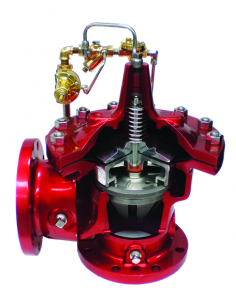
Maintenance should include functional testing of valves, verification of open/closed status, strainer cleaning, and inspection of pilots, diaphragms, seats, control tubing, test headers, waste cone assemblies, and water gong alarms. In fire protection systems, each intervention should be documented to preserve system readiness, traceability, and compliance with inspection and maintenance procedures.