
Valves and flow equipment for power plants and renewable energy systems


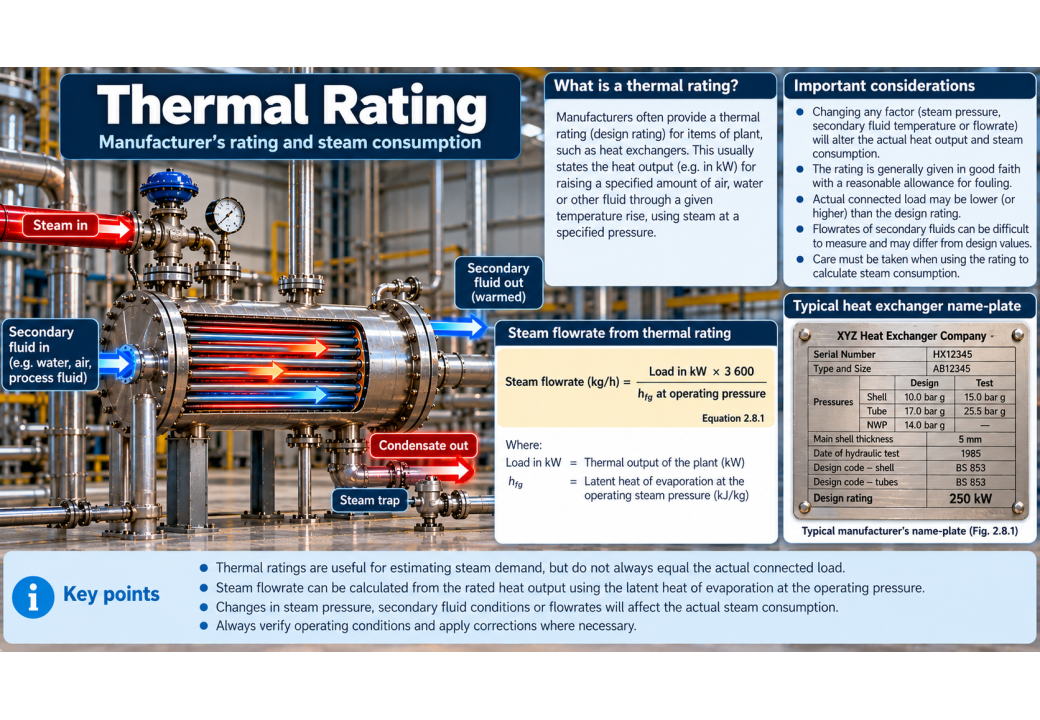
Power generation plants require controlled operation of steam, water, condensate, thermal fluid, compressed air and auxiliary service networks. Valve selection depends on pressure, temperature, fluid type, operating cycle and the safety requirements of the installation.

Thermal plants, biomass systems, geothermal installations, solar thermal fields and auxiliary renewable energy units use isolation valves, control valves, check valves, safety valves, pressure reducing valves and condensate drainage equipment. Correct sizing helps limit pressure losses, flow instability and unwanted thermal stress on equipment and pipework.

Typical applications

  • Steam networks on boilers, headers, heat exchangers and auxiliary consumers.
  • Feedwater, condensate return and drainage lines.
  • Thermal oil or other heat transfer fluid systems.
  • Biomass plants with steam, water and auxiliary fluid circuits.
  • Geothermal applications with increased material and sealing requirements.
  • Solar thermal systems with temperature variations and intermittent operation.
  • Auxiliary networks for compressed air, cooling water and chemical treatment.

Equipment selection criteria

  • Nominal pressure and operating temperature.
  • Start-up, shutdown and part-load conditions.
  • Material compatibility with steam, water, condensate or thermal fluid.
  • Required flow rate and allowable pressure drop.
  • Need for isolation, control, protection or non-return function.
  • Operation method: manual, pneumatic, electric or self-acting.
  • Access for inspection, maintenance and replacement of components.

Indicative equipment

  • Shut-off and isolation valves for steam, water and auxiliary fluids.
  • Control valves for pressure, temperature and flow regulation.
  • Pressure reducing valves and pressure regulators for auxiliary networks.
  • Safety valves for protection of boilers, vessels and pipework.
  • Check valves for backflow prevention.
  • Steam traps and condensate removal equipment.
  • Line strainers for protection of valves, instruments and heat exchangers.
  • Electric and pneumatic actuators for automated operation.

For each application, the line operating data, load variations, start-up conditions, available installation length and control system requirements should be reviewed. These parameters define the valve type, nominal size, pressure class, construction materials, sealing requirements and suitable actuation method.

 
Posted in: Markets