
Valves and flow equipment for oil and gas applications


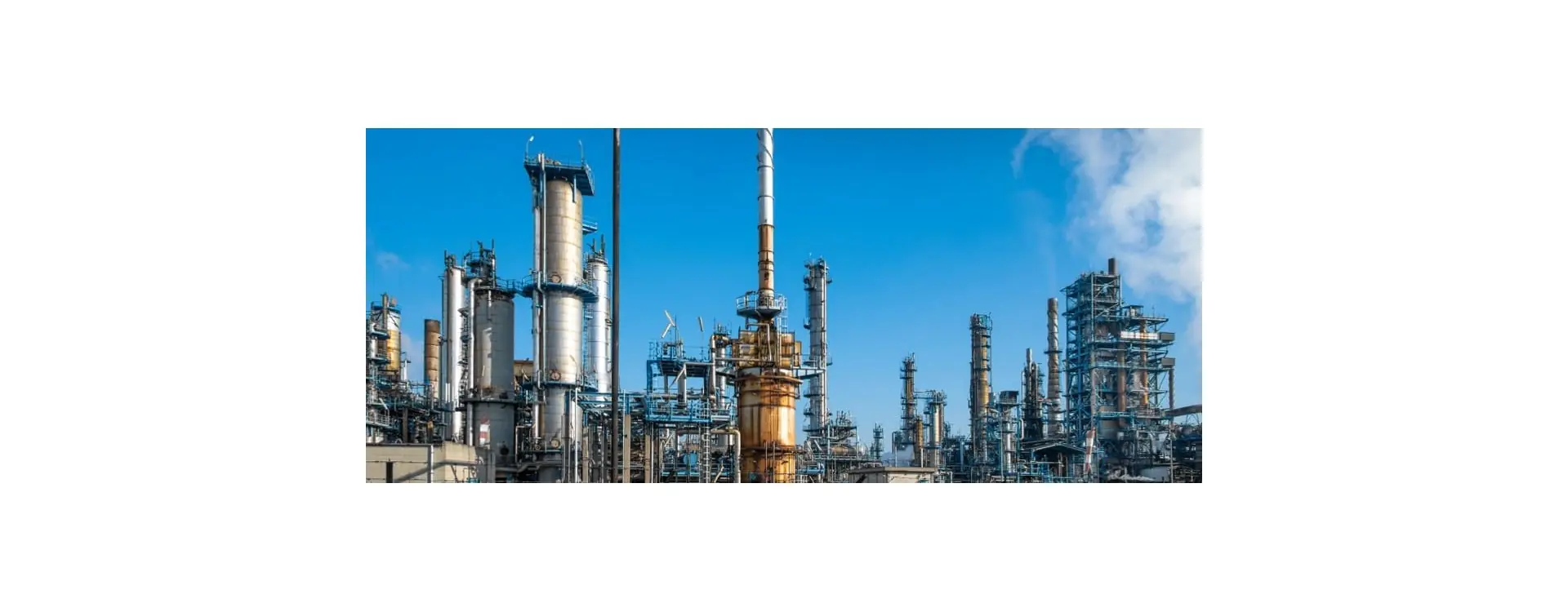
Oil and gas installations operate with hydrocarbon, fuel, natural gas, nitrogen, compressed air, steam, condensate, thermal oil, cooling water, chemical additive and auxiliary fluid lines. Valve selection is based on pressure, temperature, fluid composition, differential pressure, tightness and the function of each line.

Storage, transfer, processing, distribution and combustion systems for hydrocarbons require a defined function for each valve. Correct sizing helps limit excessive flow velocity, pressure losses, flow fluctuations and the risk of external leakage from stems, flanges, gaskets and connection points.

Typical applications

  • Natural gas, LPG, fuel, light hydrocarbon and heavy hydrocarbon lines.
  • Fuel storage, transfer, distribution and supply systems.
  • Gas or liquid fuel pressure regulation, pressure reducing and metering stations.
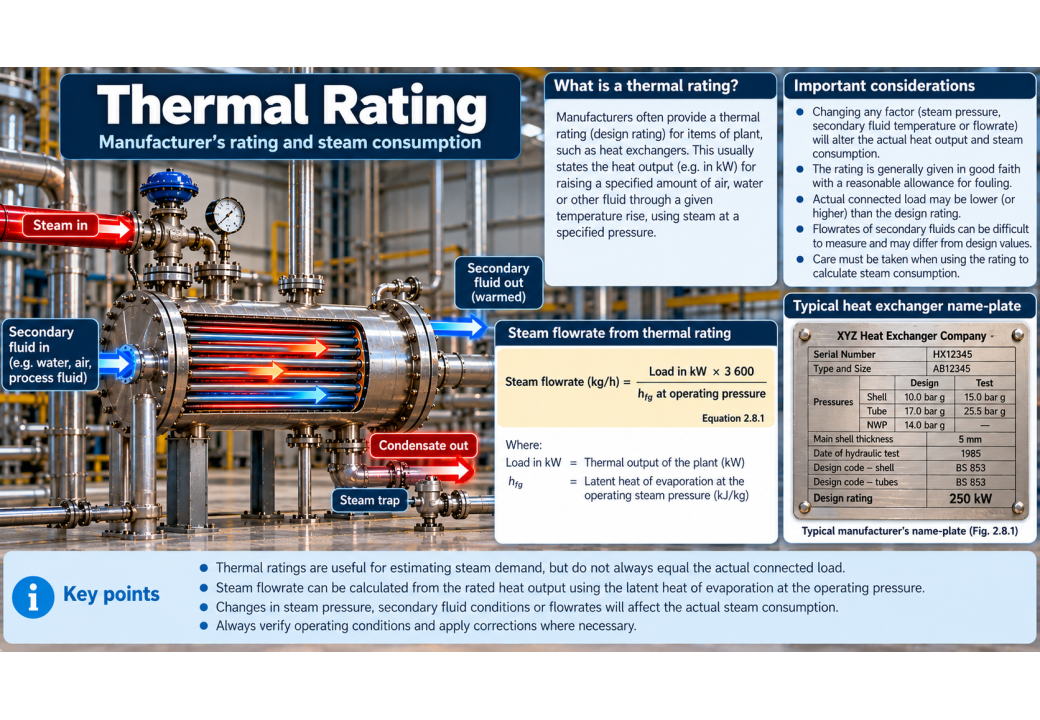
  • Steam and thermal oil lines for heating tanks, pipework and heat exchangers.
  • Nitrogen systems for purging, blanketing, inerting and oxygen displacement.
  • Venting, relief, draining, sampling and bypass lines.
  • Cooling water, treated water, firewater and auxiliary fluid networks.
  • Auxiliary compressed air networks for pneumatic actuators and control instruments.

Equipment selection criteria

  • Operating pressure, design pressure and valve differential pressure.
  • Operating temperature and variations during start-up, shutdown or relief conditions.
  • Compatibility of body, seat, stem, gasket and packing materials with the fluid.
  • Fluid composition and presence of hydrocarbons, gases, condensates or chemical additives.
  • Volatility, flammability and tightness requirements at connections and stem sealing points.
  • Required flow rate and allowable pressure drop.
  • Isolation, control, non-return, relief or overpressure protection function.
  • Connection type: flanged, welded, threaded or special tubing connection.
  • Operation requirements from PLC, DCS, SCADA or process safety system.
  • Suitability of actuators and instruments for the installation area.

Indicative equipment

  • Isolation valves for gases, fuels, hydrocarbons and auxiliary fluids.
  • Control valves for pressure, flow, temperature or level regulation.
  • Pressure reducing valves and pressure regulators for natural gas, nitrogen, air and steam.
  • Check valves for protection of pumps, compressors and fuel networks.
  • Safety and relief valves for vessels, tanks, heat exchangers and pipework.
  • Bellows-sealed valves or special stem sealing arrangements for reduced external leakage.
  • Steam traps and condensate equipment in steam heating lines.
  • Line strainers for protection of regulators, control valves, pumps and instruments.
  • Pneumatic and electric actuators for remote or automatic operation.

For each application, the fluid composition, pressure, temperature, flow rate, installation point, isolation or control requirement, external leakage risk and safety logic of the system should be reviewed. These data define the valve type, nominal size, pressure class, construction materials, sealing arrangement and suitable actuation method.

 
Posted in: Markets