

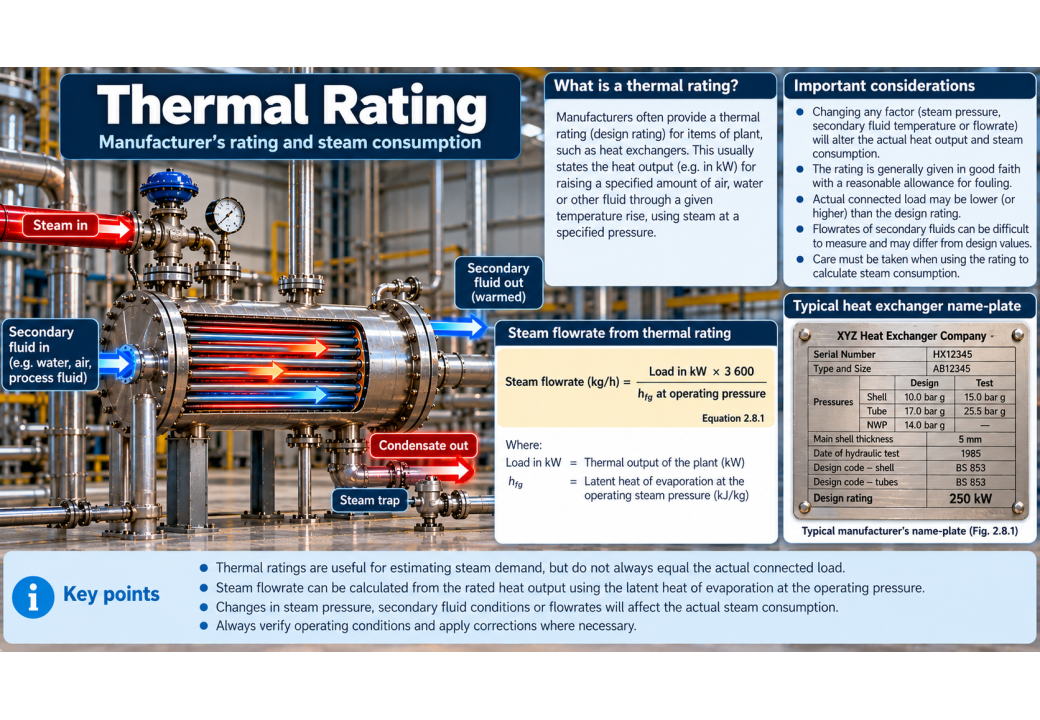
The thermal output stated on a heat exchanger nameplate or technical datasheet is useful only when interpreted in the...
ISO 10497 is the international standard that specifies fire type testing requirements for industrial valves. The standard verifies that a valve can maintain acceptable pressure integrity, external leakage control and seat tightness after exposure to fire conditions.
Fire-safe certification according to ISO 10497 is widely specified in oil and gas facilities, refineries, petrochemical plants, LNG terminals, hydrogen systems and other high-risk industrial applications where valve performance during and after a fire is critical.
What is ISO 10497?
ISO 10497 establishes type testing procedures for industrial valves exposed to fire. The objective is to demonstrate that the valve remains capable of limiting internal and external leakage while retaining essential operating functionality after the fire test.
Purpose of the Standard
- Verify fire resistance of industrial valves
- Limit external leakage during and after fire exposure
- Limit seat leakage after fire testing
- Confirm operational capability after cooling
- Improve plant safety in hazardous environments
Valve Types Covered
- Ball Valves
- Gate Valves
- Globe Valves
- Butterfly Valves
- Plug Valves
- Check Valves
Fire Test Procedure
The valve is installed in a dedicated fire test rig and exposed to a controlled flame for a specified period under defined pressure conditions.
During and after the fire exposure, the following characteristics are evaluated:
- External Leakage
- Seat Leakage
- Operational Capability
- Pressure Integrity
- Valve Function after Cooling
Typical Test Parameters
| Parameter | Description |
|---|---|
| External Leakage | Leakage to atmosphere during and after fire |
| Seat Leakage | Internal leakage across the valve seat |
| Operational Capability | Ability to operate after the fire test |
| Pressure Integrity | Structural integrity of the valve body |
Typical Industrial Applications
- Oil & Gas Facilities
- Refineries
- Petrochemical Plants
- Chemical Processing
- LNG Terminals
- Hydrogen Systems
- Offshore Platforms
- Power Generation Plants
Related Standards
| Standard | Scope |
|---|---|
| ISO 10497 | Fire Type Testing |
| API 607 | Fire Test for Quarter-Turn Valves |
| API 6FA | Fire Test for Pipeline Valves |
| API 608 | Metal Ball Valves |
| ISO 15848 | Fugitive Emissions |
| EN 12266 | Valve Testing |
Benefits of Fire-Safe Certified Valves
- Improved plant safety
- Reduced leakage during fire conditions
- Compliance with international specifications
- Reliable performance in critical applications
- Acceptance in international EPC projects
Frequently Asked Questions
What is a Fire-Safe Valve?
A fire-safe valve is a valve that has successfully passed a fire type test according to standards such as ISO 10497 and is capable of maintaining acceptable leakage performance after fire exposure.
Does ISO 10497 apply to all valves?
It primarily applies to metallic industrial valves intended for applications where fire-safe certification is required.
What is the difference between ISO 10497 and API 607?
ISO 10497 is the internationally recognized fire type testing standard for industrial valves, while API 607 is commonly specified for quarter-turn valves in API-based projects.
Conclusion
ISO 10497 is the leading international standard for fire type testing of industrial valves. Certification demonstrates that a valve can maintain pressure integrity and acceptable leakage performance following exposure to fire, improving the safety and reliability of critical industrial installations.