
Valves and flow equipment for HVAC heating systems


HVAC heating systems use hot water, steam, condensate, glycol and auxiliary service circuits to transfer heat in buildings, technical facilities, hospitals, hotels, industrial areas and substations. Their operation is based on controlled flow, pressure and temperature in boilers, heat exchangers, fan coils, air handling units, radiators, underfloor heating circuits and distribution networks.

Valves in heating installations are selected according to thermal load, supply and return temperature, operating pressure, differential pressure, required flow rate and the function of each line. Steam networks also require condensate management, drainage, venting and overpressure protection.

Typical applications

  • Hot water circuits for radiators, fan coils and air handling units.
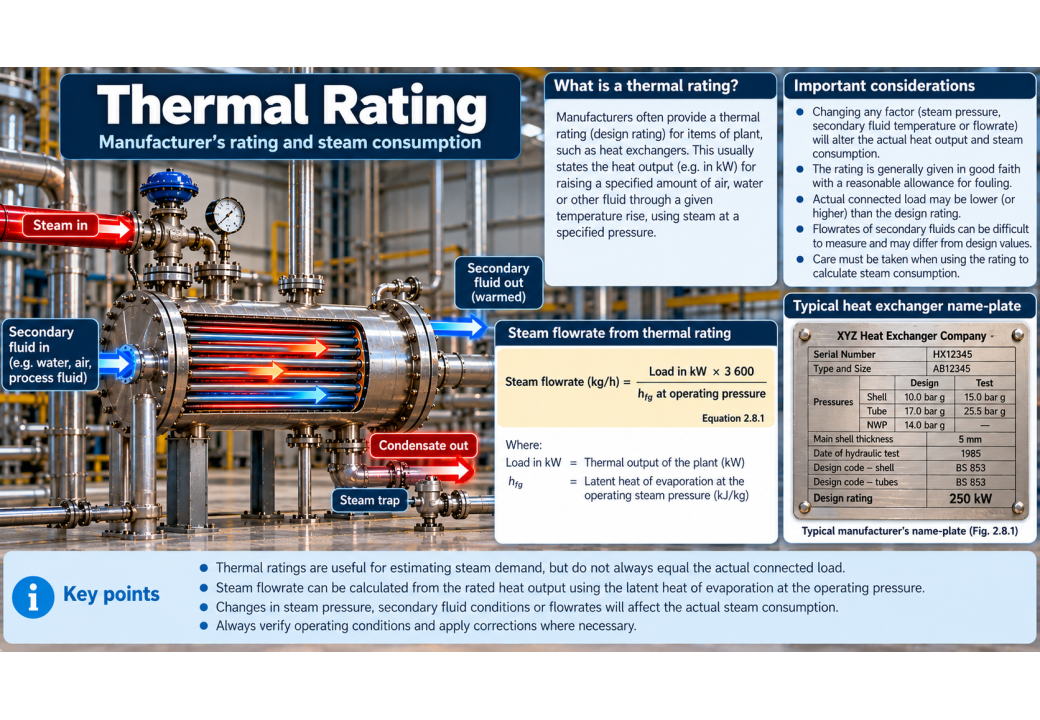
  • Steam networks for heat exchangers, air heaters, substations and thermal users.
  • Condensate and drainage lines from heat exchangers, headers and steam pipework.
  • Heating substations with heat exchangers and secondary water circuits.
  • District heating systems with hot water supply and return lines.
  • Filling, draining, venting, bypass and recirculation lines.
  • Circulation pumping stations, distribution headers and hydraulic balancing points.
  • Auxiliary compressed air networks for pneumatic actuators and control instruments.

Equipment selection criteria

  • Supply and return temperature or saturated steam temperature.
  • Operating pressure, design pressure and valve differential pressure.
  • Thermal load, required flow rate and allowable pressure drop.
  • Material compatibility with hot water, steam, condensate, glycol or treated water.
  • Isolation, control, non-return, balancing or protection function.
  • Valve behaviour at part load and variable flow conditions.
  • Automation, position indication, fail position and modulating control requirements.
  • Connection to BMS, PLC, DDC controller or local automation panel.
  • Access for inspection, section isolation, cleaning and maintenance.

Indicative equipment

  • Isolation valves for hot water, steam, condensate and glycol circuits.
  • Two-way or three-way control valves for flow and temperature regulation.
  • Balancing valves for hydraulic adjustment of branches and terminal units.
  • Differential pressure regulators for stabilising variable-flow circuits.
  • Pressure reducing valves and pressure regulators for steam, water and auxiliary lines.
  • Check valves for pump protection and backflow prevention.
  • Safety and relief valves for boilers, heat exchangers, vessels and closed circuits.
  • Steam traps and condensate equipment in steam lines.
  • Air vents, drain valves and network drainage equipment.
  • Electric and pneumatic actuators for connection to automation systems.

For each application, the thermal load, flow rate, temperature difference, differential pressure, terminal unit type, available installation length and control logic should be reviewed. These data define the valve type, nominal size, pressure class, construction materials, sealing arrangement and suitable actuation method.

 
Posted in: Markets