
ISO 9001 is the internationally recognized standard for Quality Management Systems (QMS). It specifies the...
Valves and flow equipment for exhaust gas and auxiliary boilers
Exhaust gas boilers and auxiliary boilers on ships are used for steam generation in main and auxiliary systems. Exhaust gas boilers use heat from the main engine exhaust gas, while auxiliary boilers supply steam when the main engine is not operating or when the available exhaust heat is not sufficient.
Boiler-related networks include steam, feedwater, condensate, drain, blowdown, fuel, compressed air, treated water and auxiliary fluid lines. Valve selection is based on operating pressure, steam temperature, differential pressure, installation point, line function and the requirements for safe isolation or relief.
Typical applications
- Steam lines from exhaust gas boilers and auxiliary boilers to ship consumers.
- Feedwater, condensate return and hotwell tank lines.
- Drainage, venting, blowdown and boiler start-up lines.
- Auxiliary boiler fuel systems and fuel preheating lines.
- Steam pressure reducing stations for auxiliary consumers.
- Steam systems for heating fuel, tanks, cargo and auxiliary circuits.
- Condensate networks from heat exchangers, heaters, headers and pipework.
- Auxiliary compressed air networks for actuators, instruments and control systems.
Equipment selection criteria
- Operating pressure, design pressure and valve differential pressure.
- Saturated or superheated steam temperature and thermal variations during start-up.
- Material compatibility with steam, feedwater, condensate, fuel or treatment chemicals.
- Required steam, feedwater or condensate flow rate.
- Isolation, control, non-return, drainage or overpressure protection function.
- Seat, stem and flanged or welded connection tightness requirements.
- Resistance to thermal cycles, vibration, water hammer and pipe loads.
- Operation requirements from local panel, automation system or ship safety system.
- Access for inspection, section isolation, maintenance and replacement of components.
Indicative equipment
- Isolation valves for steam, feedwater, condensate and fuel lines.
- Control valves for pressure, flow, temperature or level regulation.
- Pressure reducing valves and pressure regulators for auxiliary steam lines.
- Check valves for feed pump protection and condensate lines.
- Safety and relief valves for boilers, headers, vessels and pipework.
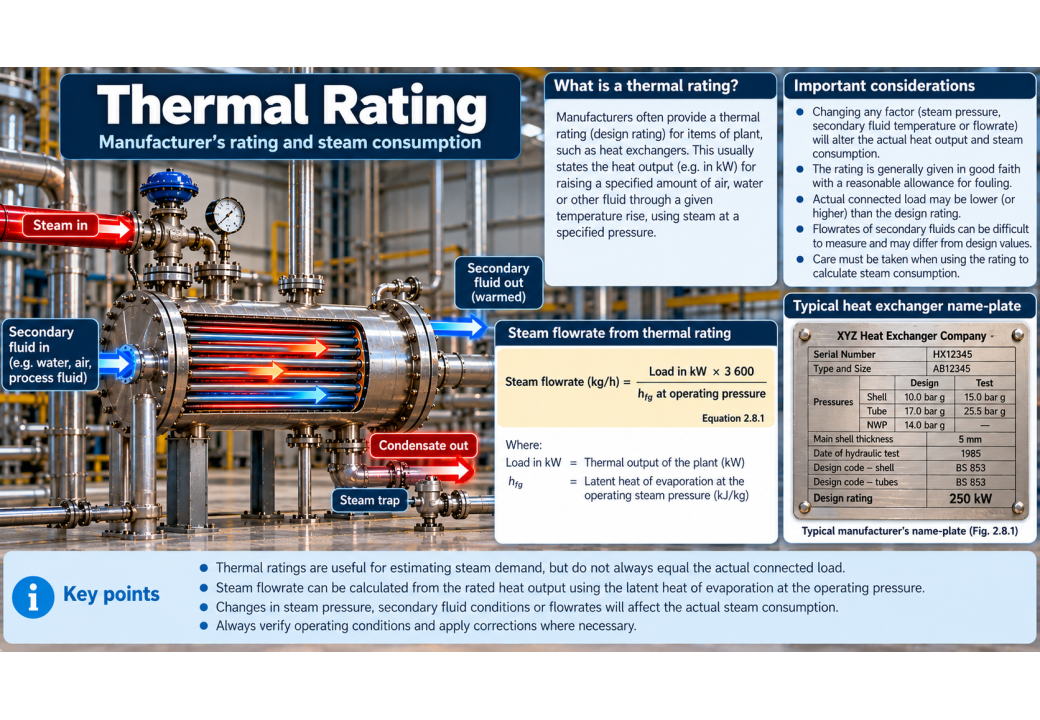
- Steam traps for condensate removal from heat exchangers, heaters and steam lines.
- Blowdown, drain and vent valves for boiler operation and maintenance.
- Line strainers for protection of control valves, pumps, instruments and steam traps.
- Pneumatic and electric actuators for remote or automatic operation.
For each application, the boiler data, steam pressure, temperature, required flow rate, start-up conditions, condensate management, line arrangement and ship control logic should be reviewed. These data define the valve type, nominal size, pressure class, construction materials, sealing arrangement and suitable actuation method.