
Blog Page

Our blog provides expert insights and updates on industrial equipment, focusing on products like valves, pumps, and heat exchangers. It aims to inform professionals in the field about the latest advancements and practical solutions in the industry.
 
Sort by:
  • Valves and flow equipment for power plants and renewable energy systems
    Valves and flow equipment for power plants and renewable energy systems

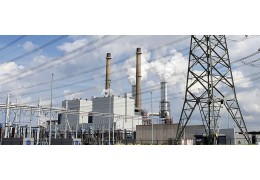
    Power generation plants require controlled operation of steam, water, condensate, thermal fluid, compressed air and auxiliary service networks. Valve selection depends on pressure, temperature, fluid type, operating cycle and the safety requirements of the installation. Thermal plants, biomass systems, geothermal installations, solar thermal fields and auxiliary renewable energy units use isolation valves, control valves, check valves, safety valves, pressure reducing valves and condensate...

    Read more
  • Valves and flow equipment for the steel industry
    Valves and flow equipment for the steel industry

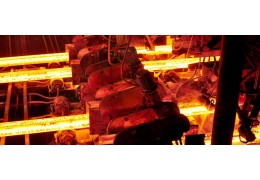
    Steel plants operate with cooling water, steam, condensate, compressed air, industrial gases, fuel and auxiliary fluid networks. Valves used in these circuits are selected according to pressure, temperature, fluid type, operating frequency and the environmental conditions at the installation point. Melting, casting, rolling, heat treatment and auxiliary systems use isolation valves, control valves, check valves, safety valves, pressure reducing valves and condensate removal equipment....

    Read more
  • Valves and flow equipment for the building materials industry
    Valves and flow equipment for the building materials industry

    Building materials plants use steam, water, thermal oil, compressed air, fuel, condensate and auxiliary fluid networks. Valves in these circuits are selected according to pressure, temperature, fluid type, operating frequency and the environmental conditions at the installation point. Cement, gypsum, lime, ceramics, brick, insulation material and precast element production lines require stable flow control in mixing, drying, heating, curing, cooling and cleaning processes. Correct valve...

    Read more
  • Valves and flow equipment for the wood, pulp and paper industry
    Valves and flow equipment for the wood, pulp and paper industry

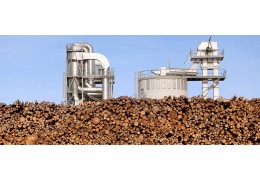
    Wood product, pulp and paper plants operate with steam, condensate, process water, hot water, compressed air, chemical solution and auxiliary fluid networks. Valves in these circuits are selected according to pressure, temperature, fluid chemistry, operating frequency and the maintenance requirements of the plant. Pulp and paper production requires stable flow control in pulping, washing, bleaching, heating, drying, heat recovery and water treatment processes. Correct valve sizing helps...

    Read more
  • Valves and flow equipment for the tyre industry
    Valves and flow equipment for the tyre industry

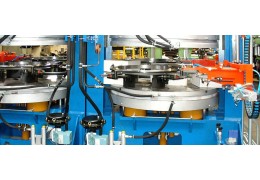
    Tyre and rubber product plants operate with steam, condensate, thermal oil, hot water, chilled water, compressed air, vacuum and auxiliary fluid networks. Valves in these circuits are selected according to pressure, temperature, fluid type, operating frequency and the requirements of the production equipment. Tyre production requires controlled flow and temperature in mixing, preheating, forming, vulcanising, cooling and cleaning processes. Correct valve sizing helps limit pressure losses,...

    Read more
  • Valves and flow equipment for thermal oil systems
    Valves and flow equipment for thermal oil systems

    Thermal oil systems are used in industrial processes where heat transfer is required at high temperatures with lower operating pressure compared with equivalent steam systems. Thermal oil circulates in a closed loop and supplies heat exchangers, reactors, presses, dryers, tanks, moulds and thermal process units. Valves in thermal oil networks are selected according to operating temperature, pressure, fluid viscosity, circulation rate, differential pressure and sealing requirements....

    Read more
  • Valves and flow equipment for the refrigeration industry
    Valves and flow equipment for the refrigeration industry

    Industrial refrigeration installations operate with refrigerant, glycol, chilled water, condenser water, compressed air and auxiliary service circuits. Valves in these systems are selected according to operating temperature, pressure, fluid type, differential pressure, operating frequency and sealing requirements. Cold rooms, food processing plants, refrigeration units, heat exchangers, condensers, evaporators and distribution networks require controlled flow and stable operation. Correct...

    Read more
  • Valves and flow equipment for hydrogen applications
    Valves and flow equipment for hydrogen applications

    Hydrogen systems require valves and flow equipment with suitable tightness, material compatibility and operating capability for the pressure and temperature range of the installation. Due to its small molecular size, hydrogen can have an increased tendency to escape through connections, gaskets, packing and stem sealing points. Hydrogen production, compression, storage, distribution and utilisation units require flow control in main and auxiliary lines. Valve selection is based on operating...

    Read more
  • Valves and flow equipment for the organic chemicals industry
    Valves and flow equipment for the organic chemicals industry

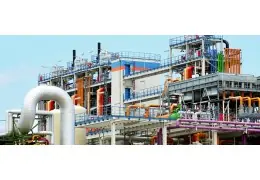
    Organic chemical plants operate with solvent, organic intermediate, resin, alcohol, hydrocarbon, additive, petrochemical product, steam, thermal oil, chilled water, glycol, nitrogen, compressed air and auxiliary fluid lines. Valve selection is based on fluid chemistry, temperature, pressure, viscosity, volatility, flammability and the sealing requirements of each line. Organic synthesis, mixing, distillation, condensation, storage, transfer and dosing processes require a defined function for...

    Read more
  • Valves and flow equipment for alcohol lines
    Valves and flow equipment for alcohol lines

    Alcohols are used in chemical, pharmaceutical, energy, cosmetics and industrial plants as solvents, raw materials, intermediates, cleaning media or mixture components. In methanol, ethanol, propanol, butanol, glycol and other alcohol lines, valve selection is based on chemical compatibility, pressure, temperature, volatility, viscosity, flammability and sealing requirements. Alcohols may be handled in storage, transfer, mixing, dosing, heating, cooling, distillation and recovery lines....

    Read more
  • Valves and flow equipment for the polymer industry
    Valves and flow equipment for the polymer industry

    Polymer production and processing plants operate with monomer, solvent, catalyst, additive, resin, polymer mixture, steam, thermal oil, chilled water, glycol, nitrogen, compressed air and auxiliary fluid lines. Valve selection is based on chemical compatibility, pressure, temperature, viscosity, volatility, possible presence of solids or deposits and sealing requirements. Polymerisation, mixing, heating, cooling, transfer, dosing, storage and cleaning processes require a defined function for...

    Read more
  • Valves and flow equipment for power plants
    Valves and flow equipment for power plants

    Power plants operate with steam, feedwater, condensate, cooling water, thermal oil, fuel, compressed air, industrial gas, chemical water treatment and auxiliary fluid networks. Valve selection is based on pressure, temperature, fluid type, differential pressure, operating cycle and equipment protection requirements. Thermal plants, CHP units, biomass boilers, turbine auxiliary systems and heat recovery installations require a defined function for each valve. Steam and feedwater lines require...

    Read more
  • Valves and flow equipment for oil and gas applications
    Valves and flow equipment for oil and gas applications

    Oil and gas installations operate with hydrocarbon, fuel, natural gas, nitrogen, compressed air, steam, condensate, thermal oil, cooling water, chemical additive and auxiliary fluid lines. Valve selection is based on pressure, temperature, fluid composition, differential pressure, tightness and the function of each line. Storage, transfer, processing, distribution and combustion systems for hydrocarbons require a defined function for each valve. Correct sizing helps limit excessive flow...

    Read more
  • Valves and flow equipment for metallurgy
    Valves and flow equipment for metallurgy

    Metallurgical plants operate with cooling water, steam, condensate, compressed air, industrial gas, fuel, thermal oil, hydraulic fluid and auxiliary fluid networks. Valve selection is based on pressure, temperature, fluid type, operating frequency, installation point and the conditions of the production environment. Melting, casting, rolling, heat treatment, cooling, cleaning and metal processing operations require a defined function for each valve. Cooling circuits require stable flow and...

    Read more
  • Valves and flow equipment for the paper industry
    Valves and flow equipment for the paper industry

    Paper production plants operate with steam, condensate, process water, hot water, cooling water, compressed air, chemical solution and auxiliary fluid networks. Valve selection is based on pressure, temperature, fluid type, presence of fibres or solids, operating frequency and the maintenance requirements of the installation. Paper production requires controlled flow and stable temperature in stock preparation, cleaning, sheet forming, pressing, drying, coating, cutting and water treatment...

    Read more
  • Valves and flow equipment for engineered wood manufacturing
    Valves and flow equipment for engineered wood manufacturing

    Engineered wood plants operate with steam, condensate, thermal oil, hot water, cooling water, compressed air, resin, additive, chemical solution and auxiliary fluid networks. Valve selection is based on pressure, temperature, fluid type, viscosity, operating frequency and the conditions at the installation point. MDF, OSB, particleboard, fibreboard, plywood and laminated wood production lines require controlled flow and temperature in dryers, hot presses, heat exchangers, resin tanks,...

    Read more
  • Valves and flow equipment for cooling water systems
    Valves and flow equipment for cooling water systems

    Cooling water systems are used in industrial plants, power generation units, chemical processes, HVAC systems, refrigeration units and auxiliary production networks. Their operation is based on controlled water circulation through heat exchangers, condensers, cooling towers, pumping stations, process equipment and distribution networks. Valves in cooling water circuits are selected according to flow rate, pressure, differential pressure, temperature, water quality, possible presence of...

    Read more
  • Valves and flow equipment for ballast water systems
    Valves and flow equipment for ballast water systems

    Ballast water systems are used for filling, emptying, transferring and treating seawater in ship ballast tanks. Their operation is related to vessel stability, load distribution, trim, draught and water management during ballasting and deballasting. Valves in ballast water networks are selected according to flow rate, pressure, pipe diameter, installation point, seawater corrosion, operating frequency and connection to the ship automation system. In ballast water treatment systems,...

    Read more
  • Valves and flow equipment for exhaust gas and auxiliary boilers
    Valves and flow equipment for exhaust gas and auxiliary boilers

    Exhaust gas boilers and auxiliary boilers on ships are used for steam generation in main and auxiliary systems. Exhaust gas boilers use heat from the main engine exhaust gas, while auxiliary boilers supply steam when the main engine is not operating or when the available exhaust heat is not sufficient. Boiler-related networks include steam, feedwater, condensate, drain, blowdown, fuel, compressed air, treated water and auxiliary fluid lines. Valve selection is based on operating pressure,...

    Read more
  • Valves and flow equipment for HVAC systems
    Valves and flow equipment for HVAC systems

    HVAC systems are used for heating, cooling, ventilation and indoor condition control in buildings, technical facilities, hotels, hospitals, industrial areas and marine applications. Their operation is based on hot water, chilled water, glycol, steam, condensate, condenser water and auxiliary service circuits. Valves in HVAC systems are selected according to flow rate, temperature, pressure, differential pressure, fluid type, circuit function and control system requirements. Correct selection...

    Read more
|<1234>|
Showing 41 to 60 of 64 (4 Pages)