
Bleeding & Venting
Water air release and air/vacuum valves are used in water supply networks, irrigation systems, pump stations, transmission pipelines, boreholes, wastewater systems, and fire protection networks to discharge trapped air, admit air during draining, and protect pipelines against vacuum conditions. Air accumulation in a closed pipeline can reduce the effective flow area, cause unstable pump operation, increase head loss, and generate localized pressure fluctuations.
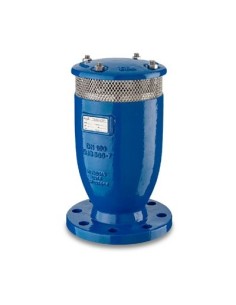
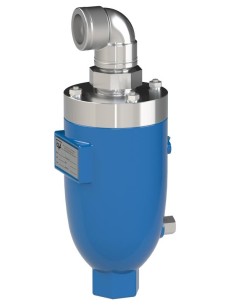
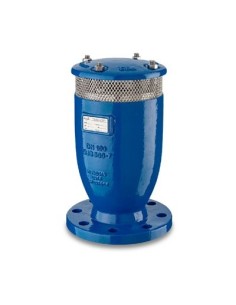
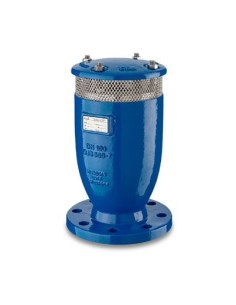
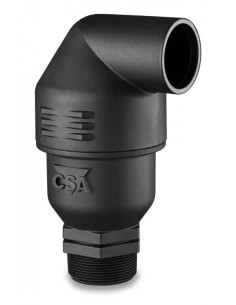
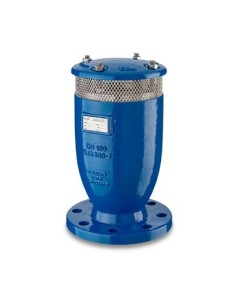
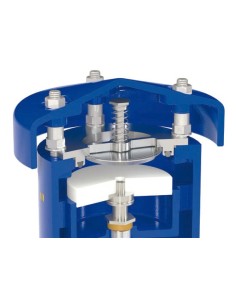
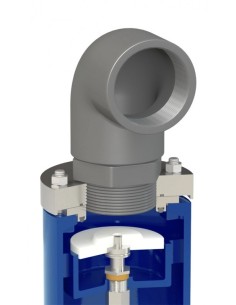
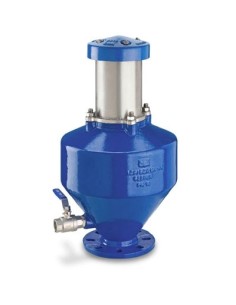
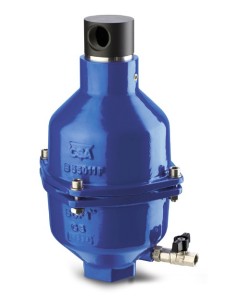
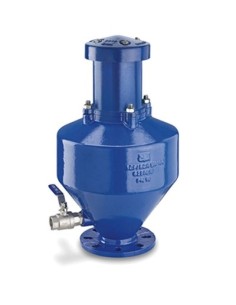
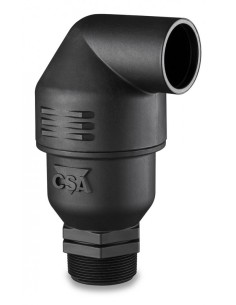
This category includes CSA air valve series ARGO, FOX, LYNX, and Saturno, including combination configurations, SUB versions for specific installations, and anti-shock / anti-slam arrangements such as ARGO 3F-RFP, FOX 3F-AS, FOX 3F-RFP, LYNX 3F-AS, and LYNX 3F-RFP. ARGO types operate as combination air valves, providing automatic release of pressurized air pockets together with large-volume air discharge or intake during pipeline filling and emptying. Referenced construction includes body and cover in glass reinforced polypropylene, 1" and 2" BSPT or NPT connections, design in accordance with EN 1074, pressure rating 10-16 bar, minimum operating pressure 0.2 bar, and maximum processed water temperature 60 °C.
Where protection against rapid water column closure is required, RFP / AS versions regulate the air discharge rate as outlet air velocity and differential pressure increase, reducing the risk of abrupt closure and hydraulic shock.
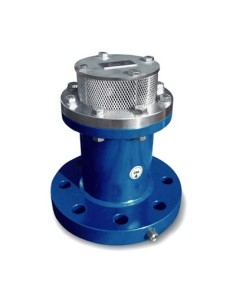
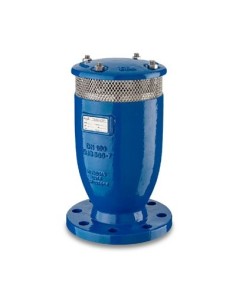
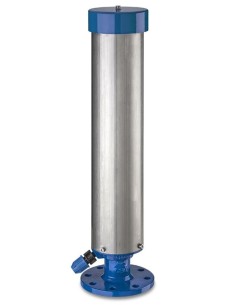
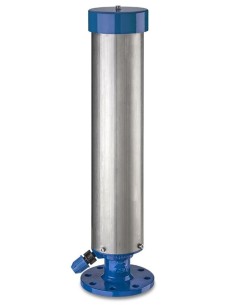
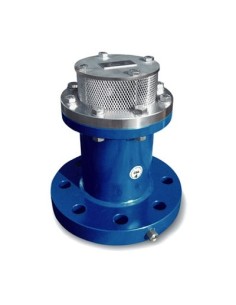
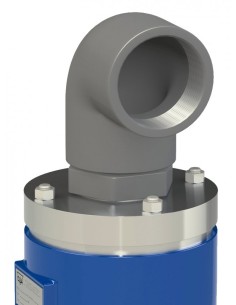
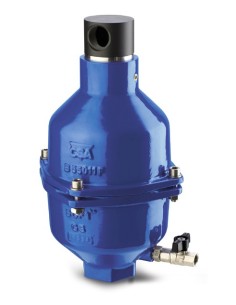
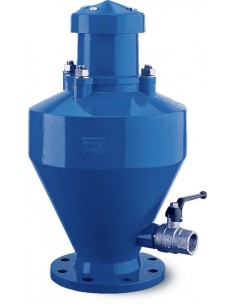
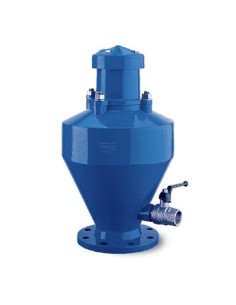
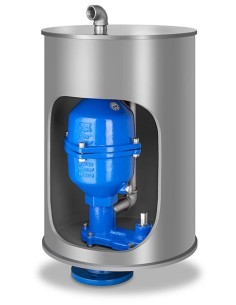
The same category also includes CSA wastewater air valves SCA and SCF, together with Cla-Val models 33VB, 33A, 33AWS, 33ATD, and series 34, 35, 36, 38VB/AR, and 39 for air release, air & vacuum, vacuum breaker, and combination air valve duties. Available configurations cover DIN, ANSI, and JIS standards, BSP, NPT, or flanged connections, pressure classes from PN10 to PN64 and 125-300 lb, with materials including ductile iron, welded carbon steel, and glass reinforced polypropylene.
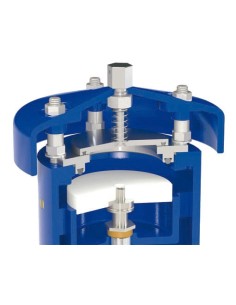
Valve selection should consider installation at high points or downstream of pump discharge, pipeline diameter, filling and draining flow rate, operating pressure, likelihood of sub-atmospheric pressure, water quality, wastewater or solids content, and access for inspection and maintenance of the float, seat, and vent orifices. Leakage control, fouling risk, and serviceability should also be evaluated during specification.