



Tank Sight Glass type 126-D-HZ | Noris
Noris Type 126-D-HZ – Double Glazing with Integrated Heating
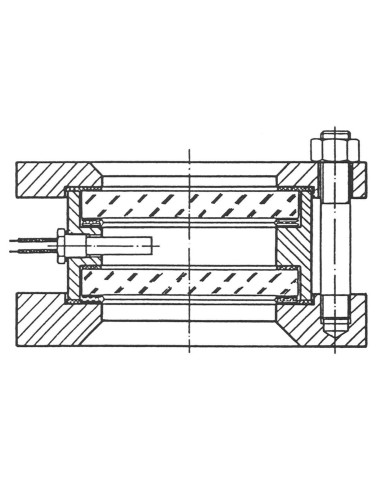
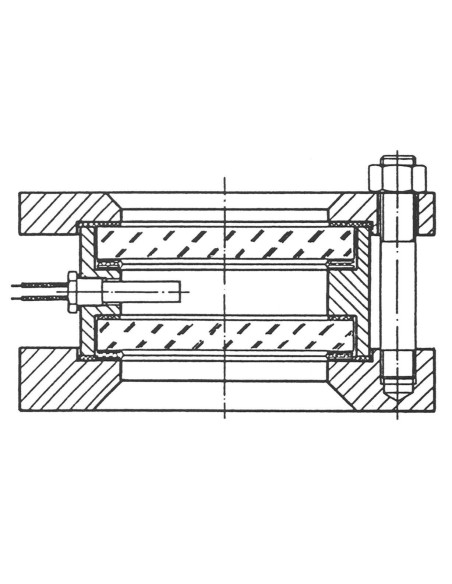
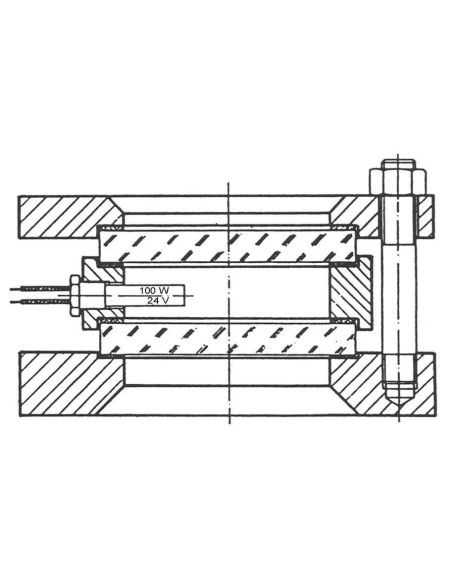
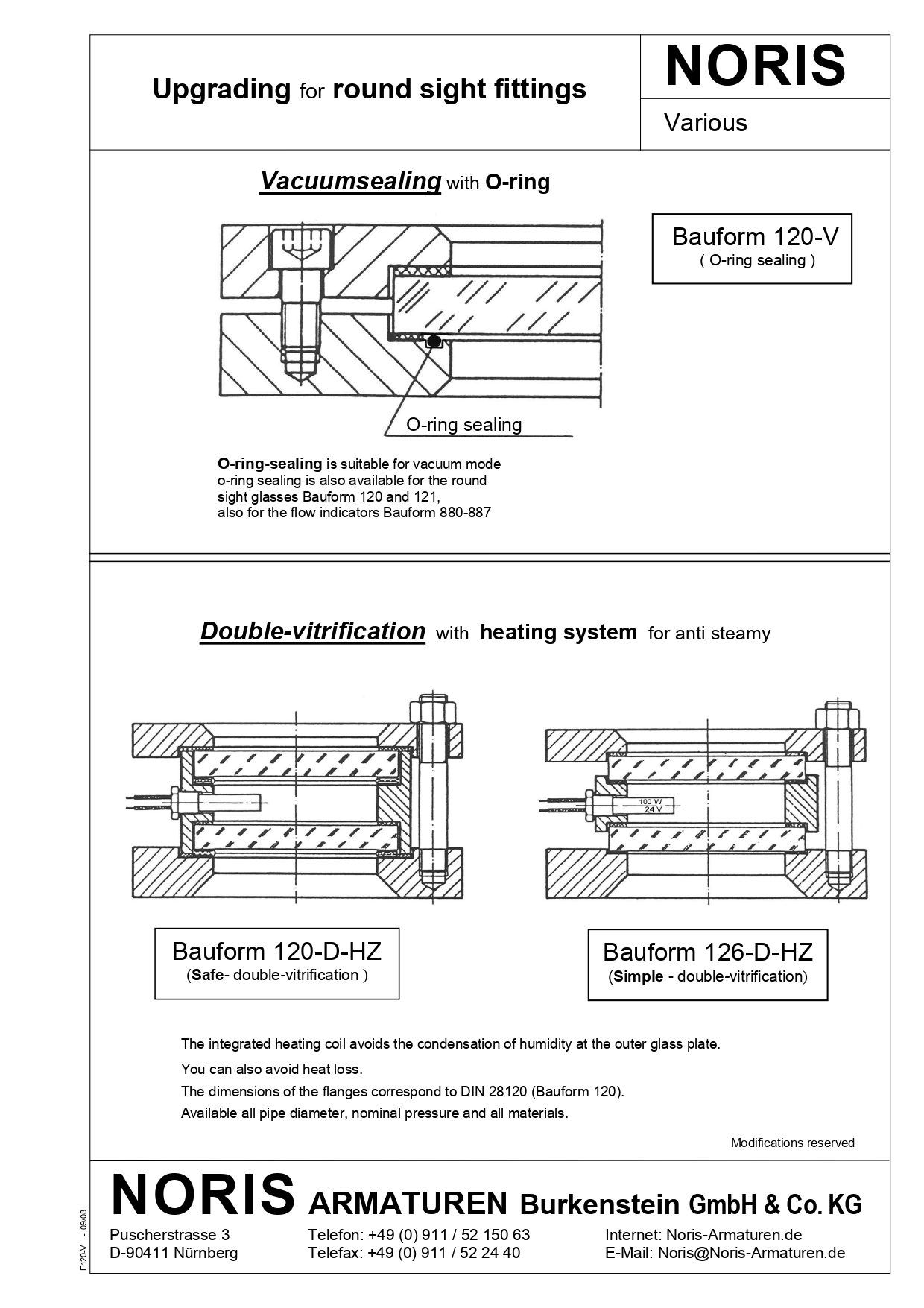
The Noris Bauform 126-D-HZ is an auxiliary double-glazing assembly with an integrated heating element, designed for circular sight glass indicators. It is specified for installations where the external glass surface is prone to fogging due to ambient humidity, low temperatures, or temperature differentials between the vessel and the installation environment.
Technical Configuration
- Type: Bauform 126-D-HZ
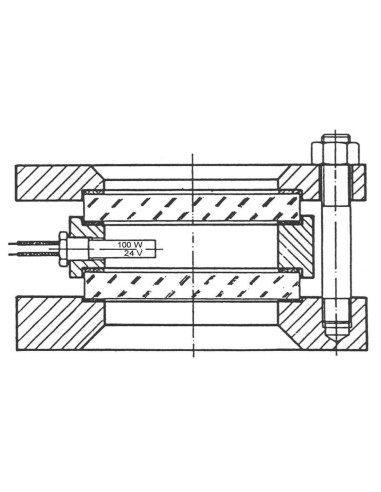
- Design: Simple double-glazing (double-vitrification)
- Heating: Integrated resistance element within the double-glazed area
- Purpose: Minimizes condensation on the external glass plate
- Flange dimensions: DIN 28120, compatible with Bauform 120
- Availability: All diameters, nominal pressures, and materials of the corresponding series
Typical electrical supply is 24 V / 100 W for the heating element, as shown in the technical datasheet. Final electrical specification must be confirmed per order, especially for ATEX zones or installations with specific automation requirements.
Difference from Type 120-D-HZ
Type 120-D-HZ is classified as safe double-glazing, while Type 126-D-HZ is simple double-glazing. Both utilize heating for anti-fogging, but selection depends on required protection level, design pressure, DN, and compatibility with the base sight glass.
Typical Applications
- Heated tanks in cold or humid environments
- Process vessels requiring consistent visibility
- Installations with vapor or condensation on the external side
- Inspection points where single glazing frequently fogs
Maintenance
Inspection includes glass plate condition, seals, bolts, electrical connection of the heating element, grounding, and monitoring for moisture between glass layers.
FAQ
Is this a complete sight glass?
No. It is a double-glazing assembly with heating for circular sight glass indicators.
Is an actuator required?
No actuator is needed. Only electrical supply for the heating element is required.
Does it increase operating pressure?
No. Operating pressure is determined by the base sight glass, DN, glass type, and sealing configuration.
Datasheet and documents
Description
Tap to zoom
