
ASME

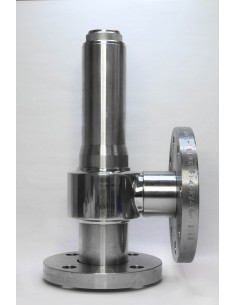
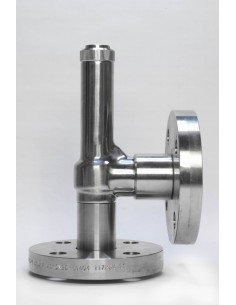
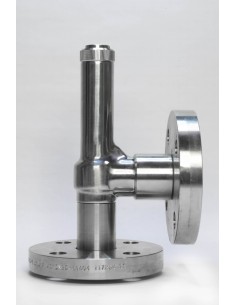
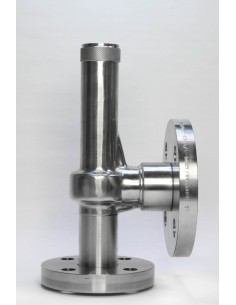
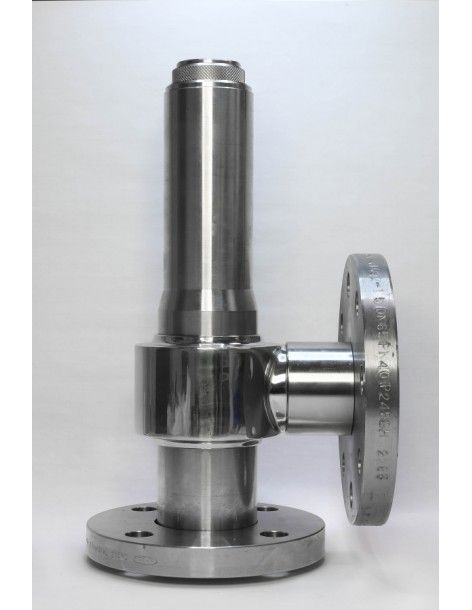
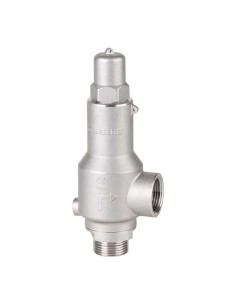
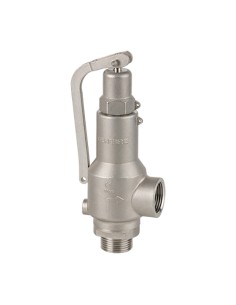
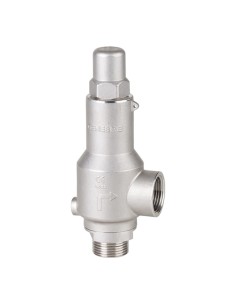
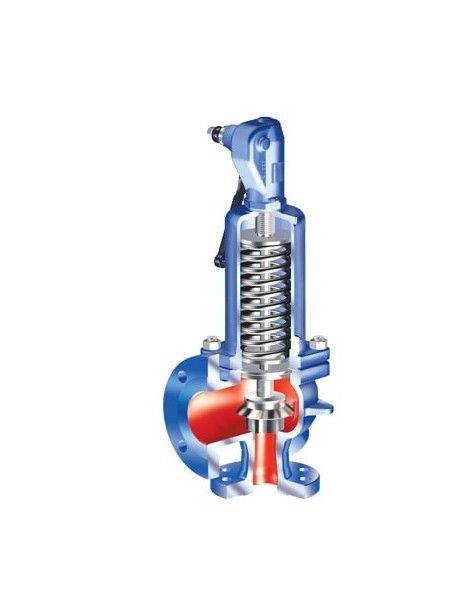
ASME safety relief valves are used to protect pressure vessels, heat exchangers, steam systems, gas and air lines, water services, and process liquid circuits against overpressure. Operation is based on a spring-loaded mechanism with a defined set pressure. The valve lifts when system pressure exceeds the set point and reseats after pressure falls to the blowdown range. This category includes ARI SAFE SN ANSI safety valves, Nuova UNI/ANSI B38 and G series, and Genebre 2252N, 2253N, and 2258N models.

Valve selection should be based on process medium, required relieving capacity, set pressure, allowable accumulation, blowdown, built-up or superimposed back pressure, operating temperature, seat design, body material, and certification requirements. In steam and gas service, attention should also be given to inlet pressure loss, discharge line sizing, drainage of outlet pipework, and compliance with ASME Section VIII or other applicable codes. The ARI SAFE SN ANSI series is identified as a direct spring-loaded safety valve with type testing to ASME Section VIII Division 1, with UV stamp and NB registration.

Available executions include ANSI and DIN configurations, with pressure classes 150 lb and 300 lb, and PN25, PN40, and PN60 ratings, using NPT threaded or flanged end connections. Body materials include SA216 WCB, SA351 CF8M, 1.4408 stainless steel, and mixed brass/stainless steel construction. For ARI SAFE SN ANSI, ASME B16.5 flanges are specified, with sizes from 1" × 2" to 6" × 10" and service temperatures from -75°F to 800°F depending on material selection. For Genebre 2252N, NPT threads are specified together with 1.4408/CF8M body material, AISI 316 seat and disc, set pressure range 0.5 to 40 barg, and operating temperature from -20 to +300 °C for gas or steam service.