
API 526
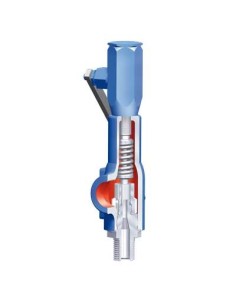
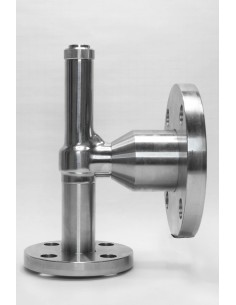
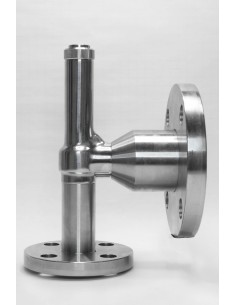
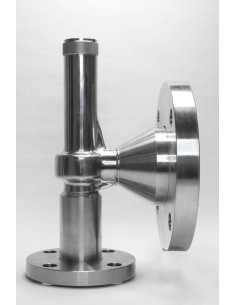
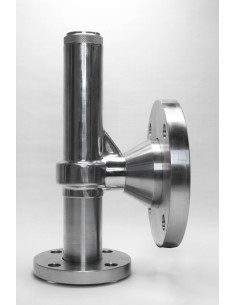
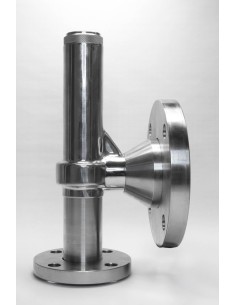
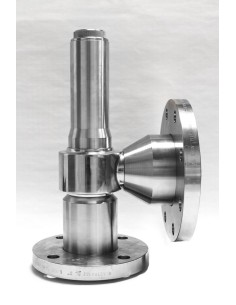
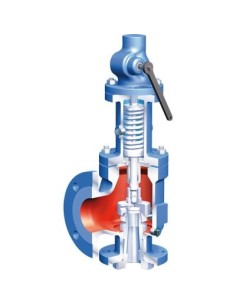
API 526 safety valves are used for overpressure protection on pressure vessels and systems handling steam, air, water, technical gases, inert vapours, and process liquids. The API 526 standard defines standardized valve configurations and dimensions so that selection and replacement can be based on established relieving area, pressure class, inlet/outlet connection, and required discharge capacity. This category includes ARI SAFE REYCO R / RL and Nuova G10-API to G40-API series.
Safety valve selection should be based on set pressure, required relieving capacity, allowable overpressure, built-up or superimposed back pressure, operating temperature, fluid state, permissible accumulation, and material compatibility with the process medium. In steam and gas service, the designer should also verify inlet line pressure loss, outlet drainage, mechanical support of discharge piping, and the effect of back pressure on seat tightness and blowdown. ARI SAFE REYCO R valves are described as spring-loaded direct-acting safety valves with ASME B16.5 flanged connections, available in sizes from 1"×2" to 8"×10", with body materials such as SA216 WCC, SA217 WC6, and SA351 CF8M.
Available executions include ANSI and DIN versions with pressure classes from 150 lb to 2500 lb and PN40 / PN60, as well as NPT, flanged, socket weld, and butt weld end connections. The RL series covers smaller API orifice sizes A, D, B, C, and G, typically used for lower relieving rates or compact installations. Nuova G10-API and G40-API versions correspond indicatively to API orifice D, 78.50 mm², and API orifice K, 1256.00 mm², with set pressure ranges up to 40 bar or 14 bar depending on type and certification. Available materials include carbon steel, stainless steel, SA216 WCC, SA217 WC6, SA351 CF8M, and mixed brass/stainless steel construction, with soft-seat or metal-seat arrangements selected according to temperature, allowable seat leakage, and service conditions.