
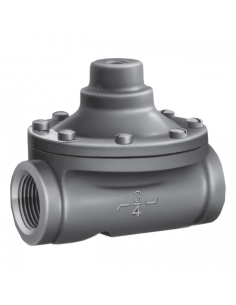
Rail & Aviation
Rail and aviation transfer equipment primarily covers aircraft refueling systems, underground fuel mains, hydrant pit assemblies, hose-end devices and pantograph connections, storage tank equipment, and dedicated drainage applications in railway or industrial networks. Selection should be based on process medium, operating pressure, required flow rate, allowable pressure loss, aviation fuel compatibility, deadman control requirements, overpressure protection, and maintainability without uncontrolled product release.
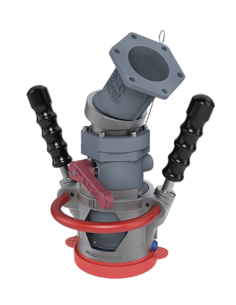
Aircraft refueling systems typically include underwing nozzles, hose-end pressure regulators, pressure control couplers, dry-break quick disconnects, fuel filters and strainers, single-point adapters, and hydrant pit valves. Cla-Val 341GF and 342GF nozzles are intended for pressure fuel servicing and bottom loading duty. Their primary and secondary interlock arrangement prevents valve opening unless the nozzle is correctly connected and prevents disconnection before full shutoff.
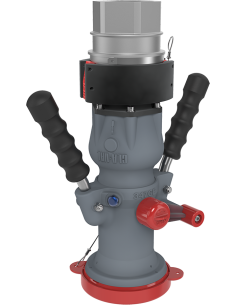
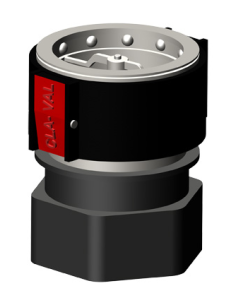
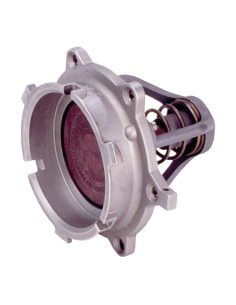
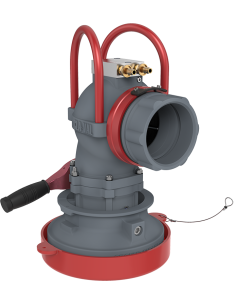
Hose-end pressure regulators and pressure control couplers are used to protect the aircraft fueling manifold from overpressure and transient pressure surges during pressure refueling. Type 343GF and 348GF units are installed at the nozzle or pantograph end. Type 353GF connects to a hydrant pit valve or adapter and incorporates a deadman-operated direct-acting regulator for controlled downstream pressure during fueling operations.
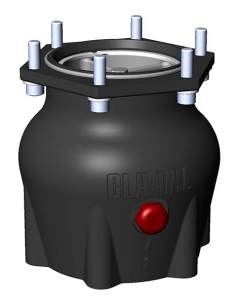
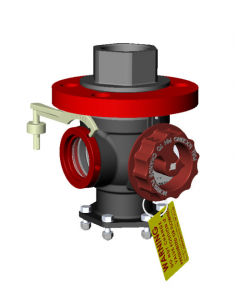
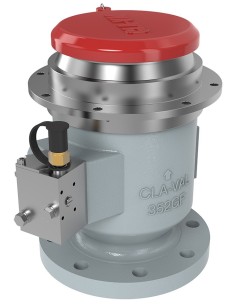
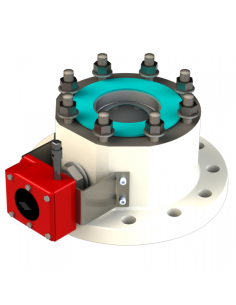
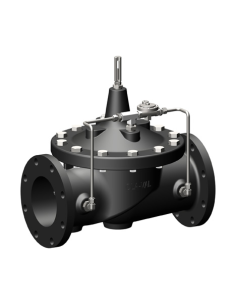
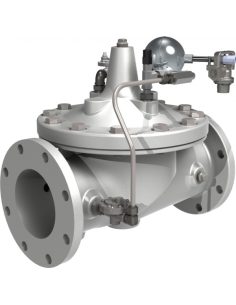
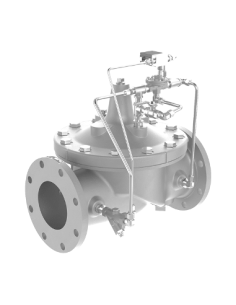
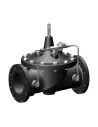
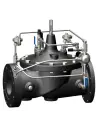
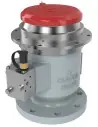
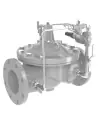
Below-grade hydrant pit valves provide the final isolation point for underground fuel distribution lines. Type 352GF is identified as a deadman-operated on-off valve and final shutoff device in accordance with NFPA 30 practice. For fuel storage tanks, high-level shutoff valves are applied on aboveground and underground tank filling lines to prevent overfill. Available configurations include ANSI flanged connections, ASTM A216 WCB carbon steel, ductile iron, or cast aluminum construction, with pressure classes 150, 250, and 300 lb.
Maintenance should focus on seat tightness, interlock integrity, diaphragms, pilots, strainers, deadman mechanisms, dry-break connections, and wear of mating adapters. In aviation fuel service, fuel cleanliness, air elimination, documented leak testing, and verification of shutoff function before critical operation are required to reduce leakage risk and maintain pressure control integrity.