
Isolation Valves
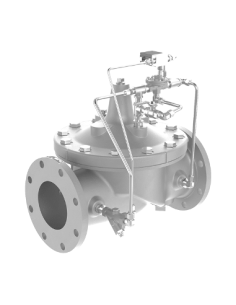
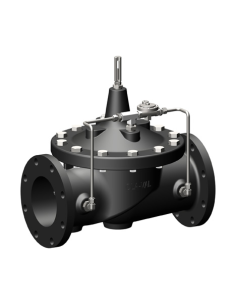
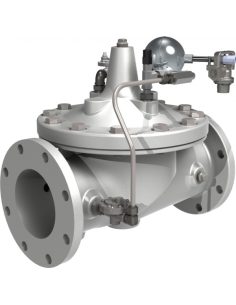
Cla-Val aviation refueling isolation valves are applied for shut-off, high-level shut-off, solenoid remote shut-off, and fuel discharge control in fuel distribution systems, storage tanks, filter/separator assemblies, and filling lines. Valve selection is based on actuation method—line-pressure hydraulic, float-controlled, or solenoid-operated—as well as installation location, available operating pressure, and the required fail-safe logic.
Available configurations include ANSI/ASA flanged constructions in pressure classes 150, 250, and 300, with bodies manufactured from ASTM A216 WCB, ASTM B62 bronze, ASTM A536 ductile iron, cast aluminum 356-T6, and cast stainless steel 303, depending on the model. For light petroleum products and aviation fuels, stated temperature limits range from -40°F to +140°F or +180°F, depending on series and service conditions.
The 129-26 series is used on underground or aboveground fuel tank filling lines and provides full shut-off when the preset level is reached. The 134-53 series uses a direct-acting 3-way solenoid pilot and is available in energize-to-open or de-energize-to-open configurations for remote on/off control. The 413-01 series functions as a fuel discharge valve at the outlet of a fuel water filter/separator, stopping flow when water carryover exceeds the unit’s drain handling capacity.
From a maintenance standpoint, the diaphragm-type construction reduces the number of dynamic sealing points, while the absence of packing glands limits the risk of external leakage. Critical inspection points include diaphragm condition, pilot strainer cleanliness, correct isolation valve position, and verification of the opening and closing logic before commissioning.