
Hydrant Pit Valves
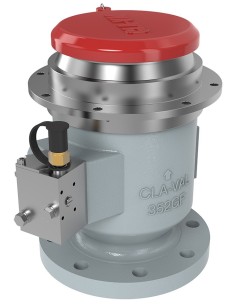
Cla-Val hydrant pit valves and isolation valves are used in underground aircraft refueling systems at the terminal connection point between the fuel main and the pit coupler, or as an isolation device installed below the hydrant pit valve. Selection depends on the required on/off function, deadman control logic, the need to service the pit valve while the hydrant main remains pressurized, compatibility with API couplers, and the hydraulic and operational requirements of the fuel distribution network. The Cla-Val 352GF is a pilot-operated piston valve for aircraft refueling hydrant service and is identified as a final shut-off device in accordance with NFPA 30, with compliance to EI Specification 1584, Fourth Edition.
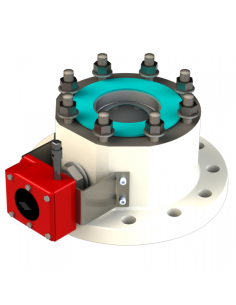
Where isolation of the pit valve is required without depressurizing the remainder of the hydrant system, the 355GF is installed below the hydrant pit valve to allow removal or replacement of the main valve while the fuel main remains in service. It uses a full-bore stainless steel ball valve with ductile iron body construction and epoxy coating, an inlet stone guard, open/close position indication, and fire-safe qualification to API 607. Connections are specified as 6 in. inlet, ASME Class 300 flange, and 4 in. outlet, ANSI 150 flange.
The 352GF is available with manual or pneumatic deadman pilot control, emergency air-release override, optional excess-flow shut-off, and an operating temperature range of -40 to +180°F. Principal materials include ASTM A536 ductile iron, hardened stainless steel API adapter components, stainless steel piston trim, and nitrile or fluorocarbon sealing elements. Published operating times are 5 to 10 seconds for opening to 90% flow and 3 to 5 seconds for closure from 1189 GPM. Design pressure is 275 psi, with operating pressure up to 200 psi.
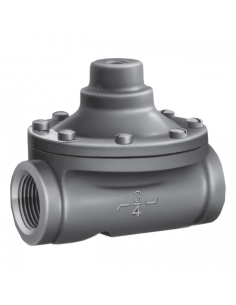
For water draw-off from a fuel/water separator sump, the Cla-Val 100AF is a diaphragm-actuated, hydraulically operated globe valve controlled by a float pilot. The diaphragm construction eliminates packing glands and reduces potential external leakage paths. Maintenance is typically focused on the diaphragm, resilient disc, seat condition, and verification that associated piping is clean before installation and commissioning.