


Globe Valves - Stop Check Pressure Seal Bonnet | Fluitek Fluitek Valves - 1
Globe Valves - Stop Check Pressure Seal Bonnet | Fluitek Fluitek Valves - 2
Globe Valves - Stop Check Pressure Seal Bonnet | Fluitek Fluitek Valves - 3
Globe Valves - Stop Check Pressure Seal Bonnet | Fluitek Fluitek Valves - 1
Globe Valves - Stop Check Pressure Seal Bonnet | Fluitek Fluitek Valves - 2
Globe Valves - Stop Check Pressure Seal Bonnet | Fluitek Fluitek Valves - 3

Globe Valves - Stop Check Pressure Seal Bonnet | Fluitek

Steam Stop Check Pressure Seal Bonnet Fluitek

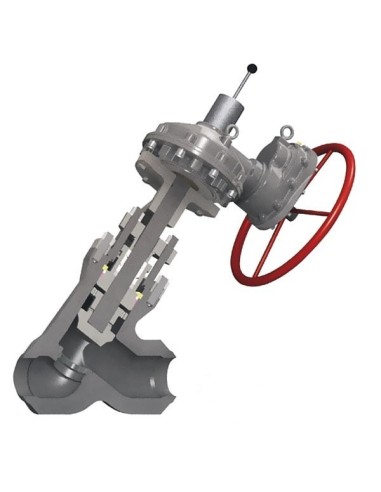
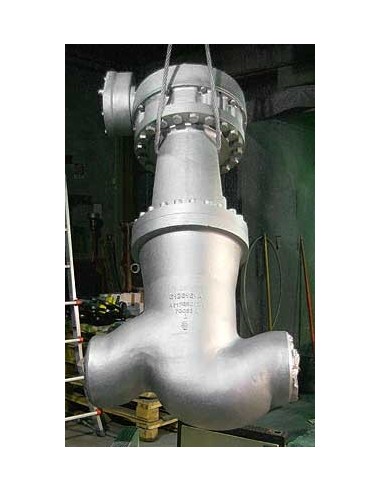
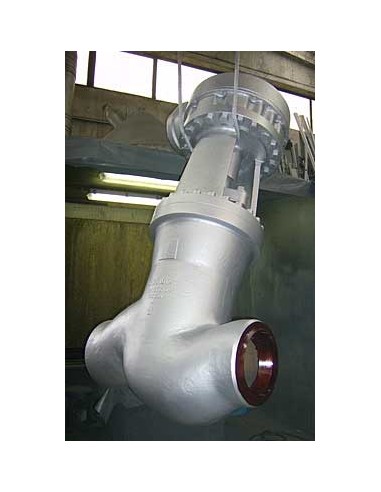
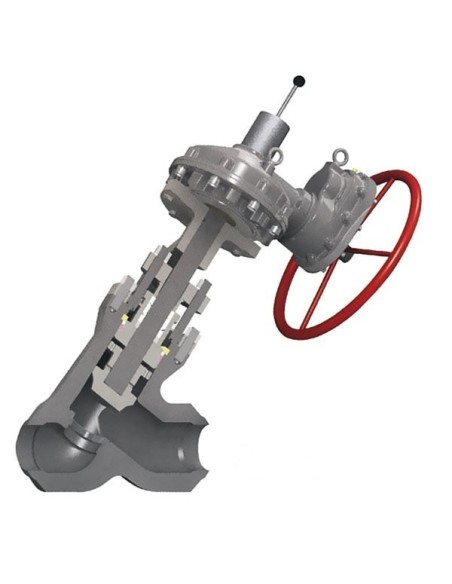
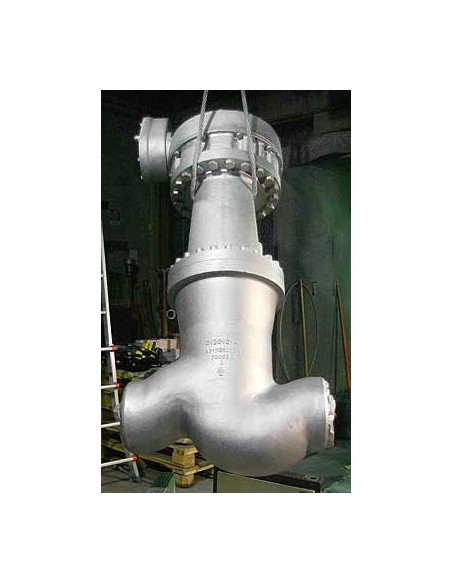
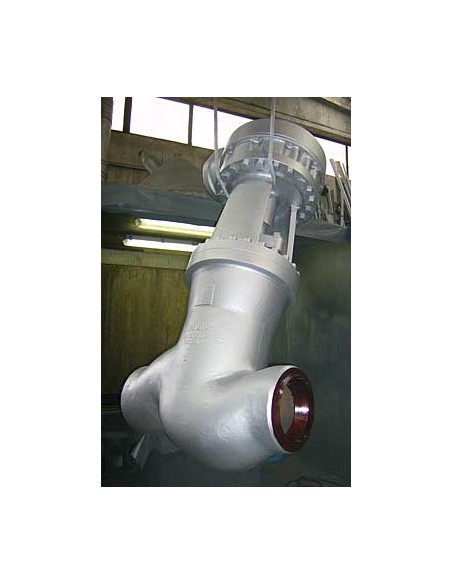
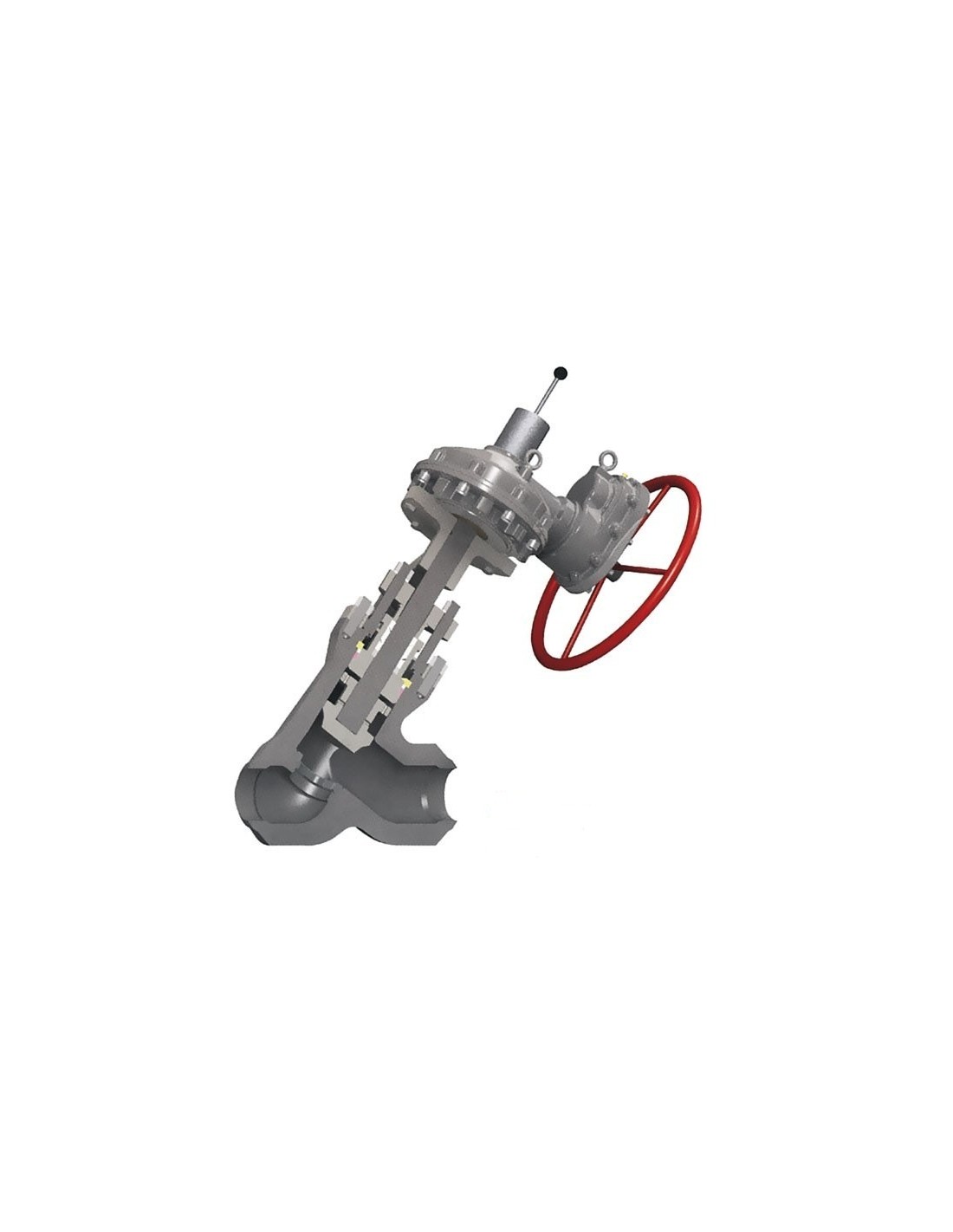
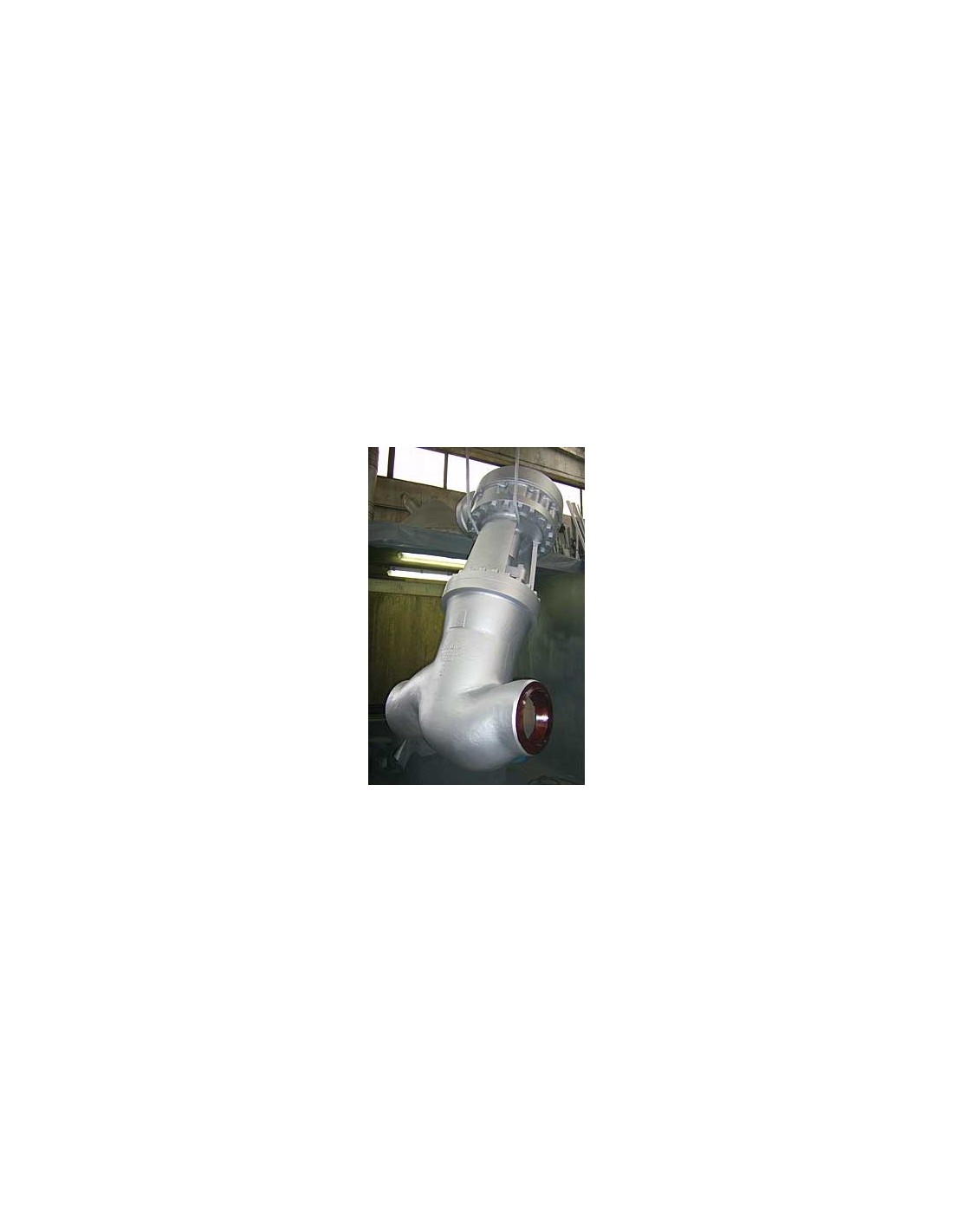
The Y-pattern stop-check globe valve, angled at approximately 45°, is designed for high-pressure applications requiring both isolation and non-return functions. In the open position, it operates as a lift-piston check valve, while it can be mechanically secured in the closed position for line isolation. Primarily used in superheated steam, feed water, and medium/high-pressure and temperature process lines.

Construction and Options

  • Design: Y-pattern stop check globe
  • Bonnet: pressure seal
  • Connection: butt weld
  • Standards: ANSI / ASME, alternatives per UNI EN 12516
  • Pressure classes: typically ASME 900, 1500, 2500
  • Materials: carbon steel, low alloy steel, austenitic steel
  • Material examples: A105/WCB, F22/WC9, F91/C12A, F92, F347/CF8C
  • Actuation: manual as standard, electric actuator for inaccessible locations.

Application Criteria

Stop-check operation depends on the medium and flow rate. For superheated steam, Class 1500 technical sheet indicates minimum flow velocities from 50 m/s at 3"–6" to 31 m/s at 28". At low flow rates, disc stability, potential chattering, and seat/disc wear should be monitored.

Indicative Dimensions ANSI 1500

For Class 1500, sizes range from 3"–28", bore 60–508 mm, face-to-face 305–1675 mm, and weights 80–6180 kg. Other dimensions and pressure classes are project-specific.

Certifications

Available compliances: ISO 9001:2015, PED 2014/68/EU, ATEX 2014/34/EU, IEC 61508 SIL, API 6A / ISO 10423, API 6D, API 6DSS, and TR-CU.

FAQ

When is pressure seal chosen?

In high-pressure lines where body–bonnet sealing must be reinforced by internal operating pressure.

How does it differ from a simple stop check bolted bonnet?

Yes. The pressure seal version is intended for higher pressures and typically butt weld installation, while check function must be verified based on actual flow.

Standard (Options)
  • ANSI
Connection (Options)
  • Butt Weld
Material (Options)
  • Carbon Steel
  • Austenitic Steels
  • Low Alloy Steel
Pressure Rating (Options)
  • 1500 lbs

Datasheet and documents

Description

These valves, normally orientated at an angle of 45° (“Y-pattern”), are frequently employed in power generation plants, in the presence of superheated steam or feed water. They can also be installed in process lines (i.g. refining plants) for medium/ high pressures and temperatures. They work as non-return valves (so they can be compared to “lift piston check” valves) and can be locked close. They are normally supplied with a pressure seal bonnet and manual actuator, with exception to those when they are mounted on site that is difficult to reach (in this case the actuator is electric).

FLUITEK ORSENIGO VALVES has a great experience in the supply of these valves. Field application has shown potential functioning problems in relation to the fluid type and flow rate. As a consequence, FLUITEK ORSENIGO VALVES has adopted a computational system that allows to simulate valves fluidynamic behaviour and, if necessary, to modify the disc according to the operating conditions in order to optimise the functioning.

The operating pressures are normally high (classes 900, 1500 and 2500 ASME).

The available materials range from carbon steel to low-alloy steels and austenitic steels, both forged and cast (examples: A105/WCB, F22/WC9, F91/C12A, F92, F347/CF8C).

Several design alternatives to ASME standards are available: UNI EN 12516, with materials that can be PED harmonised or not (example: 15NiCuMoNb5 for medium temperatures and very high operating pressures, 600 bar).

Certifications