
Electric
Electric actuators are used for automated valve operation in industrial steam, water, HVAC, water treatment, thermal oil, chemical, and general process-fluid systems. Selection should be based on required output torque or linear thrust, stem travel, operating time, supply voltage, duty cycle, enclosure protection, and the interface method to PLC, DCS, or a local control panel.
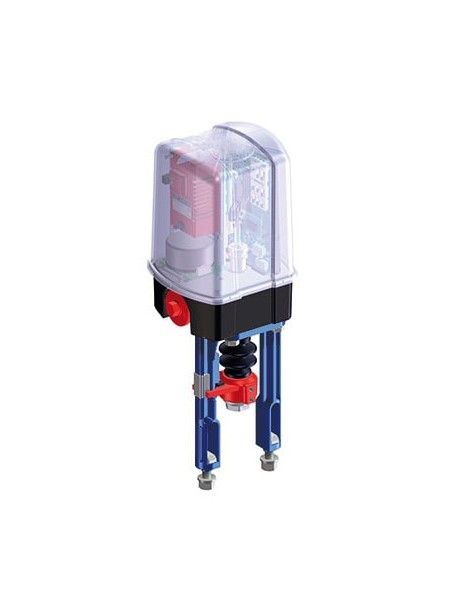
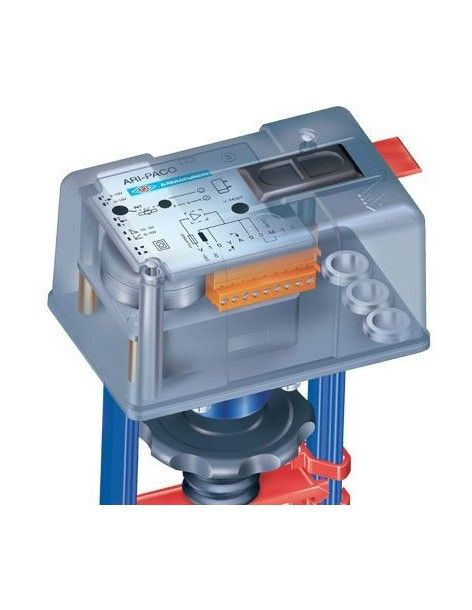
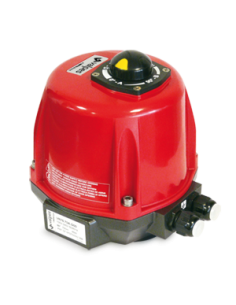
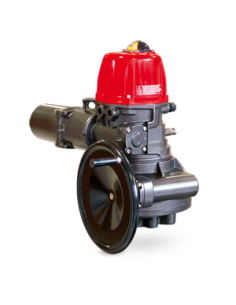
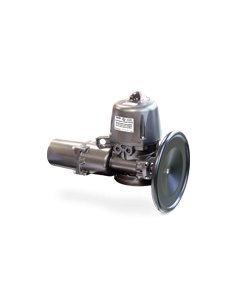
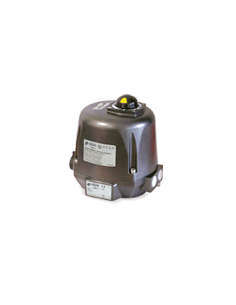
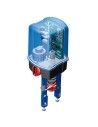
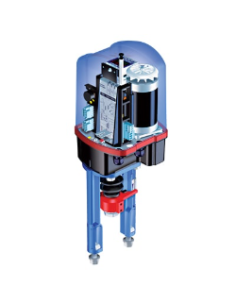
This category includes ARI PREMIO, PREMIO PLUS, and PACO linear electric actuators for valves with axial stem travel, as well as Valpes and Bernard Controls rotary actuators for quarter-turn service. ARI PREMIO actuators cover thrust ranges from 2.2 to 25 kN, with stroke lengths up to 50 or 80 mm depending on version. Available power supplies include 230 V AC, 24 V DC, and 24 V AC/DC. The enclosure rating is IP65, with ambient temperature limits from -20 to +70 °C.
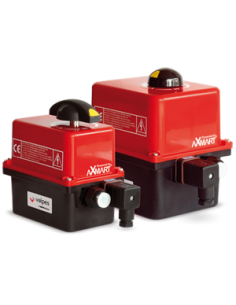
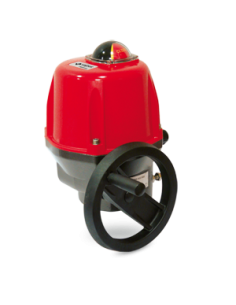
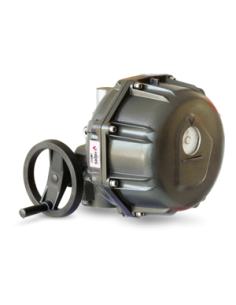
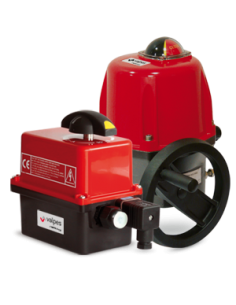
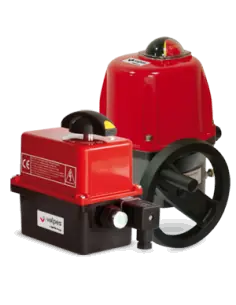
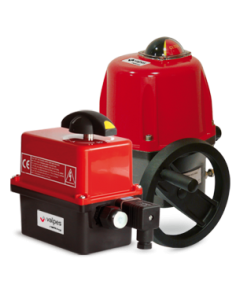
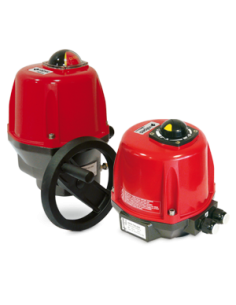
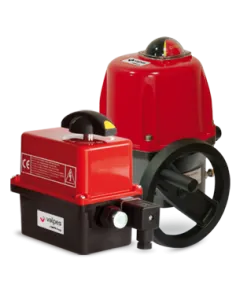
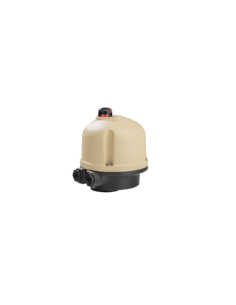
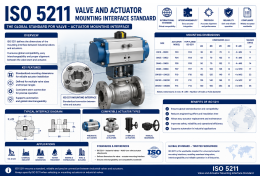
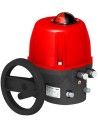
Valpes ER PLUS actuators are intended for 90° rotary operation with torque outputs from 10 to 100 Nm. They are available with multivoltage supply, IP66 enclosure protection, S4 50% duty, adjustable limit switches, manual override, anti-condensation heater, RS485 communication, and optional proportional control, emergency backup, 3-position operation, Bluetooth, or Modbus RTU. For hazardous areas or other special-duty installations, Valpes ATEX versions such as DV and DVX are available with IP68 protection, torque ranges from 25 to 300 Nm, ISO 5211 mounting interface, and either on-off or modulating control.
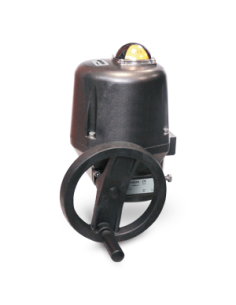
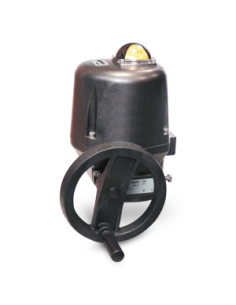
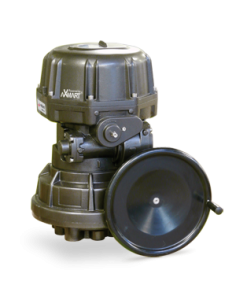
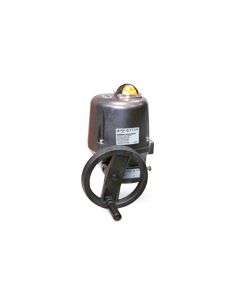
Bernard Controls actuators cover higher torque requirements and are used for on-off, positioning, or modulating duty. The AQ series covers 50 to 10,000 Nm, with IP68 protection, C4 environmental classification, ambient temperature range from -20 to +70 °C, and low-temperature option down to -40 °C. Control configurations include SWITCH or LOGIC, with communication options such as Modbus RTU and Profibus DPV1.
During actuator sizing and specification, the engineer should verify torque margin, mechanical stops, limit switch arrangement, position feedback, manual override, cable entries, condensation risk, motor thermal protection, and the actual valve torque under differential pressure. In modulating service, duty cycle and feedback resolution directly affect control stability, positioning accuracy, actuator wear, and maintenance interval.