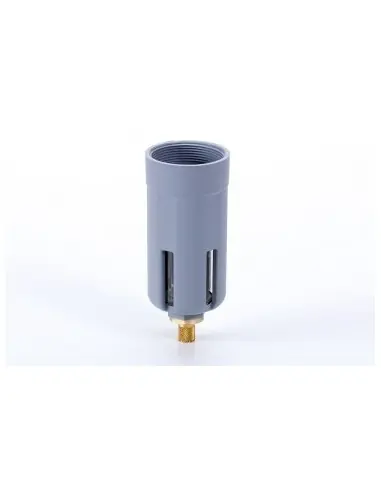

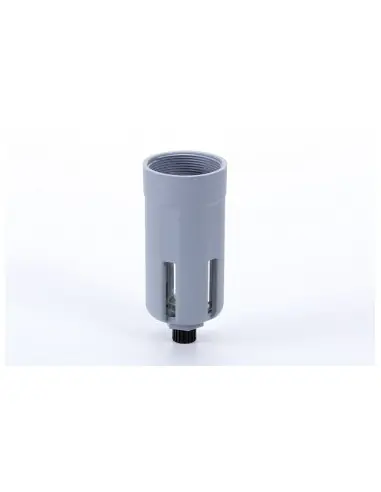
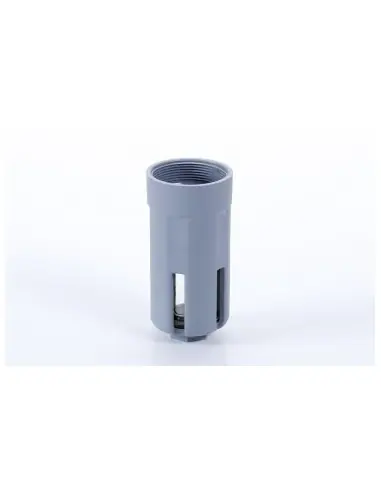
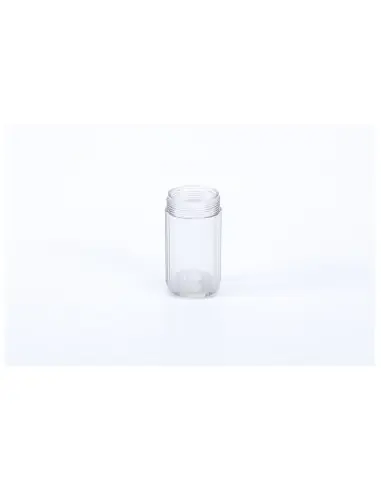
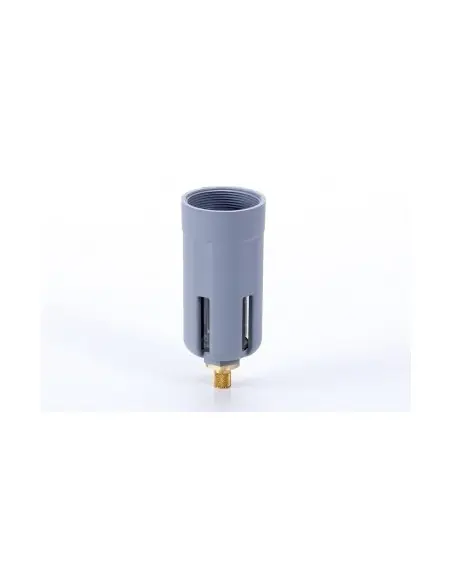
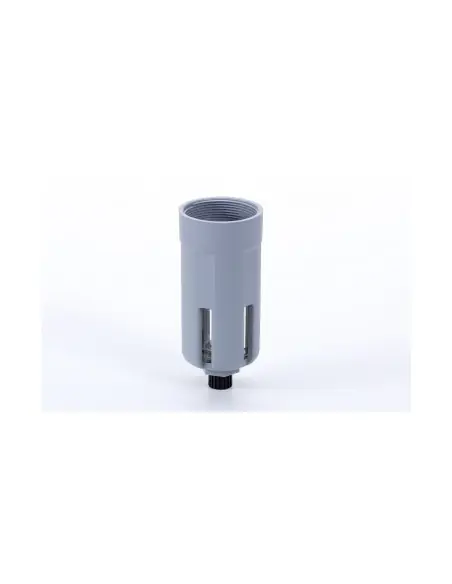
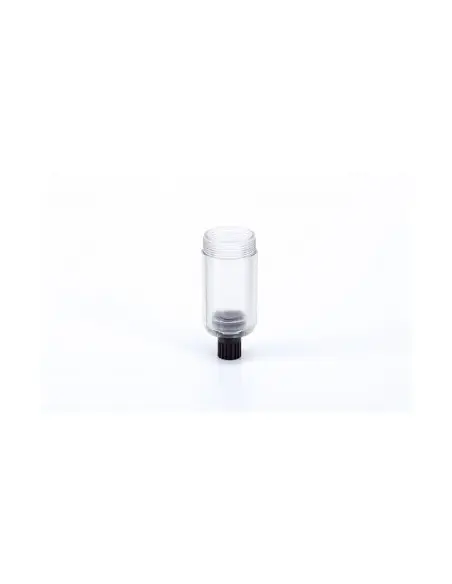
Classic-line | A - Accessories - Bowls for filters & lubricators | Hafner

Upgrade Your System: Classic-line | A - Accessories - Bowls for Filters & Lubricators | Hafner
Keep your industrial equipment running smoothly and reliably with the Classic-line | A - Accessories - Bowls for filters & lubricators | Hafner. Designed for those who value performance and durability, these bowls bring a new level of efficiency to your filters and lubricators.
Features & Benefits of Classic-line | A - Accessories - Bowls for filters & lubricators | Hafner
- Robust Construction: Built from high-quality materials, these bowls are resistant to wear, corrosion, and damage, ensuring a long service life even in demanding industrial settings.
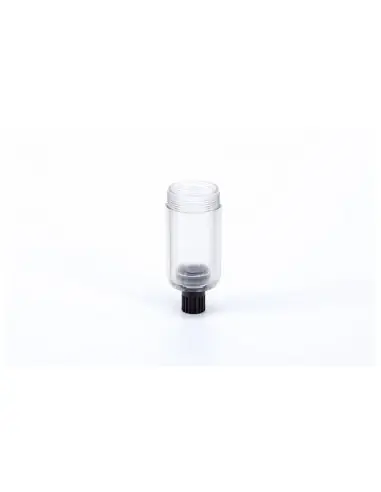
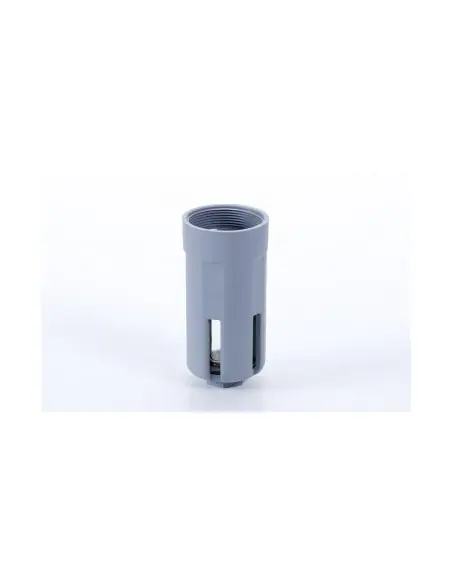
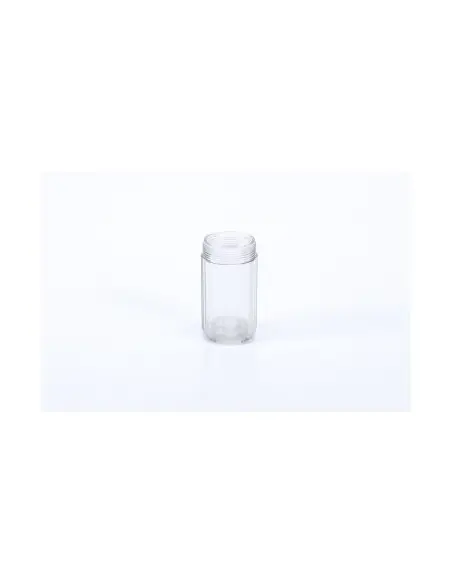
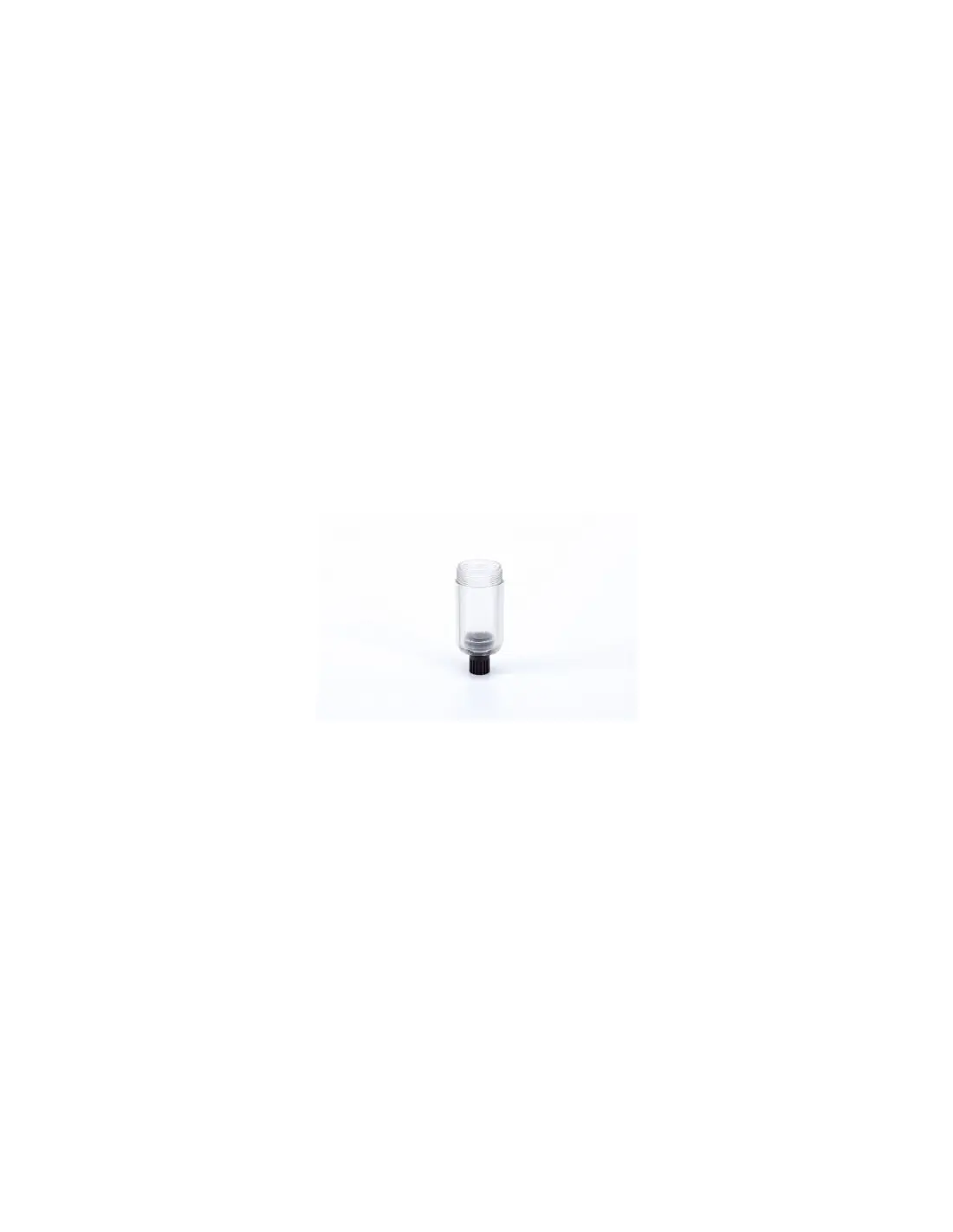
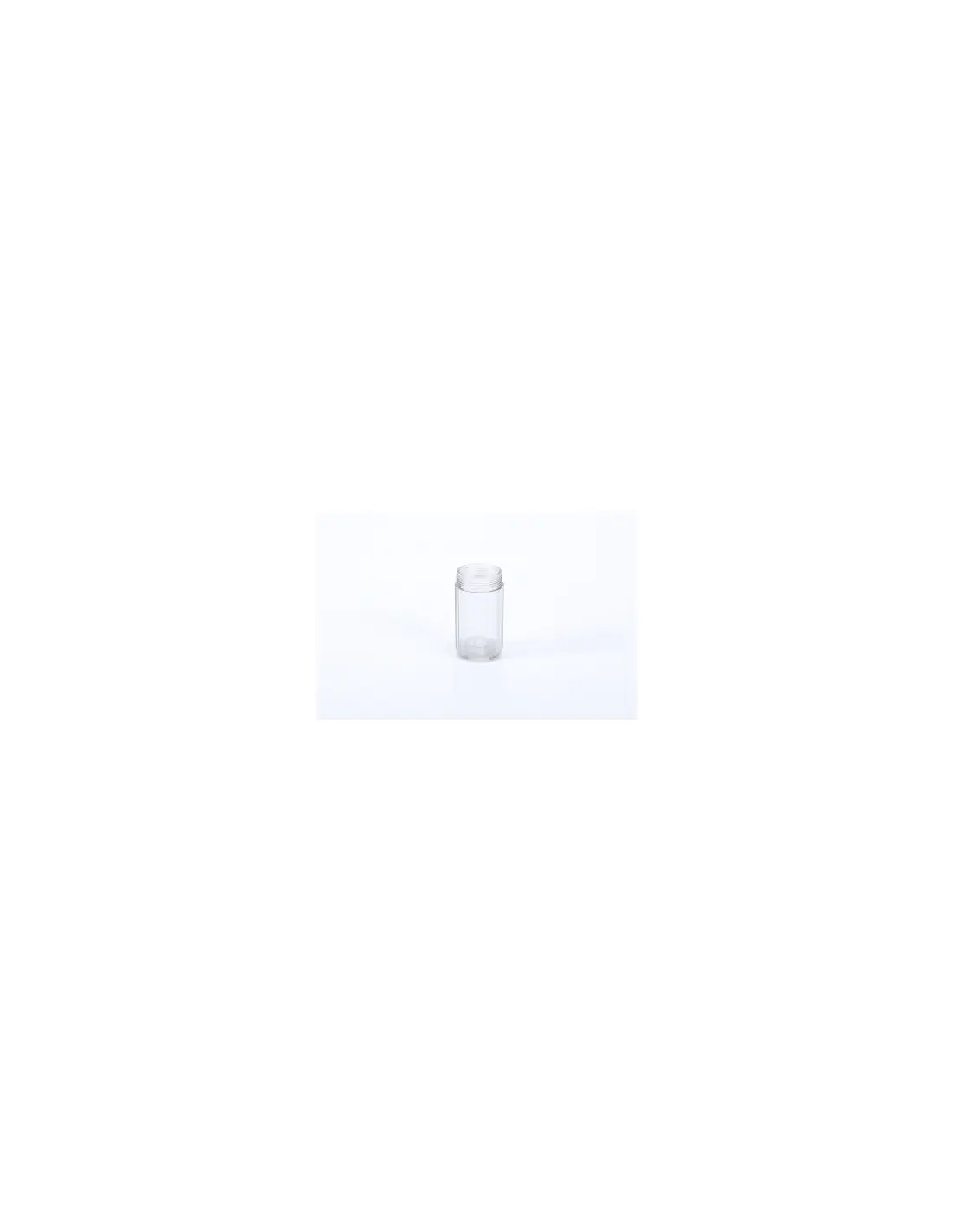
- Clear Visibility: Featuring a transparent design, it’s quick and easy to check fluid levels at a glance. This means less downtime and more precise maintenance planning.
- Universal Fit: Compatible with a wide range of filters and lubricators from the Classic-line series, providing seamless integration and flexibility in your setup.
- Effortless Replacement: Easy-to-handle shape allows for fast installation and removal, minimizing equipment downtime for maintenance or changes.
- Leak-Resistant Sealing: Innovative sealing technology keeps your system protected from leaks and loss, safeguarding both performance and safety.
- Cost-Efficient Maintenance: Replace the bowl, not the whole assembly, saving time and reducing expenses for your business.
Ideal for anyone looking to improve the efficiency and reliability of their pneumatic systems, the Classic-line | A - Accessories - Bowls for filters & lubricators | Hafner stands out as a must-have upgrade. The clear construction allows you to monitor system health without disassembly, making daily checks a breeze. Its rugged build means fewer replacements and lower long-term costs.
Whether you’re maintaining a busy workshop or managing a large-scale industrial operation, these bowls offer practical advantages that keep your equipment performing at its best. Choose Classic-line | A - Accessories - Bowls for filters & lubricators | Hafner for trusted quality, straightforward maintenance, and peace of mind.
Datasheet and documents

Description
Tap to zoom