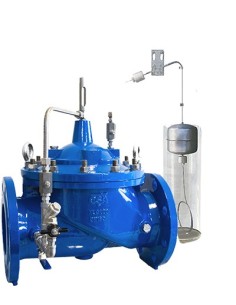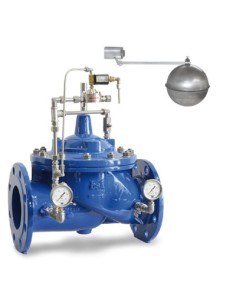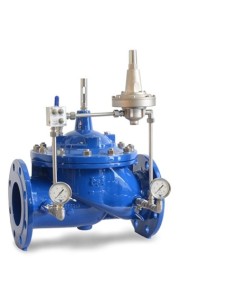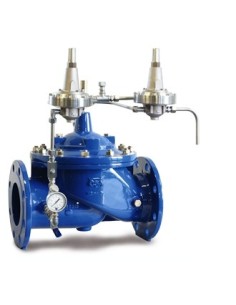
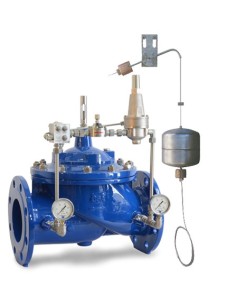
Level control valves
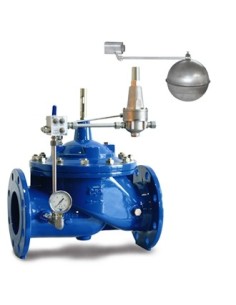
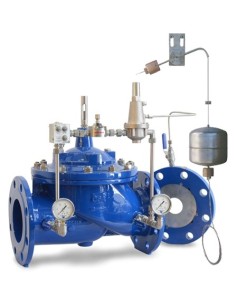
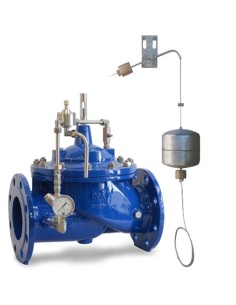
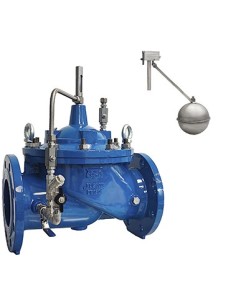
Water level control valves are used in tanks, water towers, reservoirs, and supply lines for automatic filling, overflow prevention, and maintenance of available storage volume. Valve selection should be based on the fill start/stop levels, upstream pressure, maximum filling flow rate, differential pressure, tank geometry, and the installation position of the pilot or float assembly.
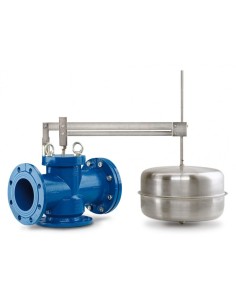
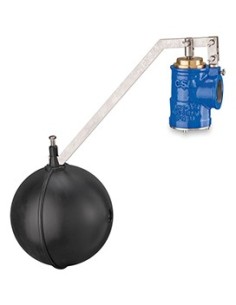
This category includes hydraulically operated CSA XLC valves for min-max level control, proportional level control, altitude control, combined flow control, and pressure sustaining duties, as well as Athena mechanical float valves. Available series are specified with DIN flanged connections, ductile cast iron bodies, and pressure ratings PN 10, PN 16, or PN 25, depending on model. Selection should also consider operating temperature limits, water quality, suspended solids, and compatibility of elastomers and internal trim with potable or treated water service.
The XLC 324/424 combines minimum-maximum level control with upstream pressure sustaining, allowing tank filling without excessive pressure reduction in higher consumption zones. The XLC 326/426 provides proportional level control through a proportional level pilot. The XLC 334/434 adds maximum filling flow limitation, which is used where rapid tank filling could impose excessive hydraulic loading on the distribution network.
The XLC 370/470 operates as an altitude control valve for reservoirs and water towers, modulating in response to the static pressure of the water column and reducing the risk of water hammer during closure. The Athena float valve uses a mechanical float and a balanced self-cleaning piston to control level without external power or pilot pressure.
Maintenance should include inspection of pilot lines, strainers, needle valves, flow stabilizers, seat surfaces, diaphragm or piston assemblies, float mechanisms, rods, and the actual actuation level in service. Solids contamination, entrained air, incorrect setpoint adjustment, insufficient pilot pressure, or seat leakage can result in hunting, delayed closure, overflow, or insufficient tank filling.