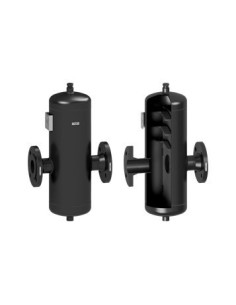

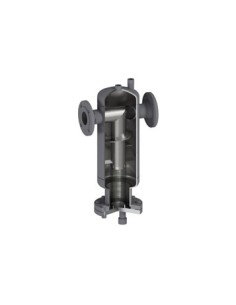
Humidity Separators
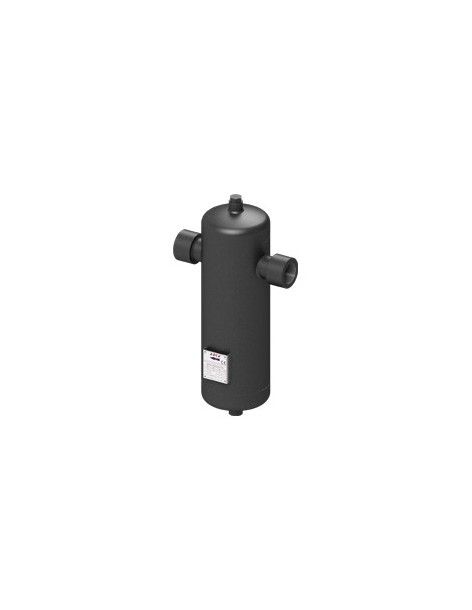
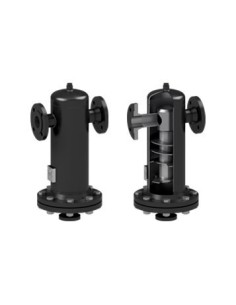
Centrifugal separators are used in steam, compressed air, and gas systems to remove condensate, liquid droplets, and suspended solids from the flow stream. Operation is based on flow redirection and centrifugal acceleration, causing the heavier liquid phase to move to the lower drain point while the drier phase continues downstream. They are typically installed upstream of pressure reducing valves, control valves, flowmeters, heat exchangers, steam traps, and other process equipment where moisture carryover affects control stability, heat transfer, or component service life.
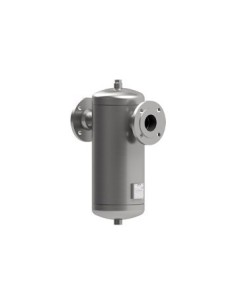
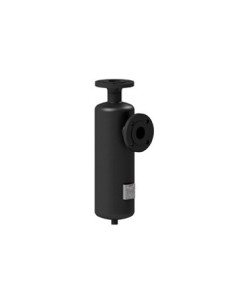
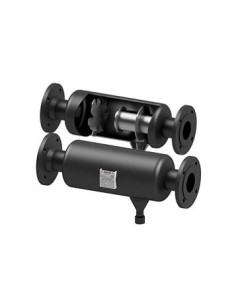
This category includes ADCA centrifugal separators in AS, S16S, S16SS, S25S, S25SS, S25/S HV-VH, SF251/S, SH25, and S30 series, as well as Mankenberg AS 2 and AS 5. Selection is based on steam, air, or gas flowrate, operating pressure, temperature, allowable pressure drop, body material, end connection, and the requirement for automatic drainage. In steam service, the bottom connection should be fitted with a correctly sized steam trap or drain arrangement to prevent separated condensate from being re-entrained into the main flow.
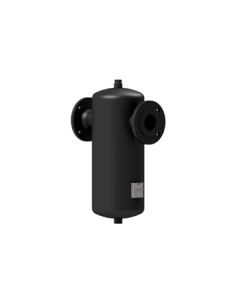
Available configurations include DIN and ANSI execution, with pressure ratings such as PN16, PN40, PN63 and Class 150, 300, or 600 lb depending on the series. End connections include flanged, NPT, and socket weld, with selected designs also offered in ISO 7 Rp, ASME Class 150/300, and special flange configurations. Body materials include cast steel, stainless steel, and galvanized steel. Typical ADCA AS and S25S ranges cover sizes from DN15-DN300 or DN32-DN300, with maximum operating pressure up to 40 bar and service temperature up to 300 °C, depending on construction.
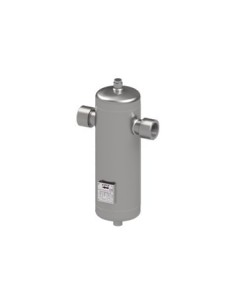
Mankenberg AS 2 and AS 5 are manufactured in stainless steel 1.4404 / 316L and use a clamp-ring body design with smooth internal finish and integrated drain or vent arrangement. AS 2 is specified for PN16, 0-13 bar, and temperatures up to 190 °C. AS 5 is specified for PN16, 0-16 bar, and temperatures up to 130 °C. Depending on configuration, connection options include DIN, ANSI, JIS, clamp, aseptic, and welded ends. Material selection should be matched to condensate chemistry, gas composition, and cleaning requirements, particularly in hygienic or corrosion-sensitive service.