
Anti-Surge Valves
Anti-surge water valves are used in pump stations, water distribution networks, industrial water lines, and transmission systems where rapid flow changes can generate water hammer, overpressure, or unintended pipeline depressurization. Valve selection should be based on transient hydraulic analysis, pump curves, pipeline length and elevation profile, flow velocity, pump trip time, and the allowable pressure limits of the system.
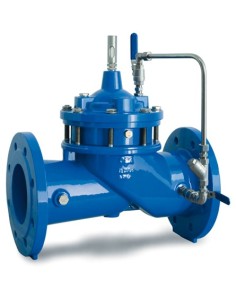
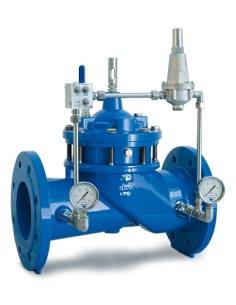
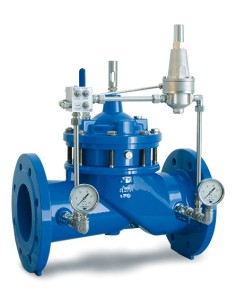
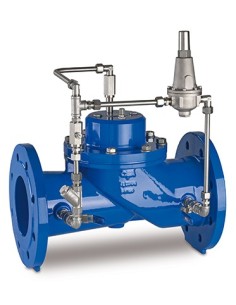
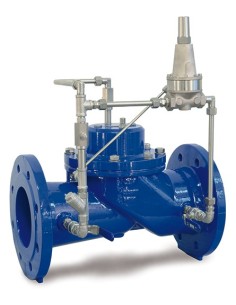
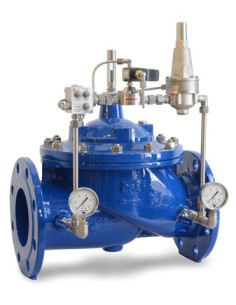
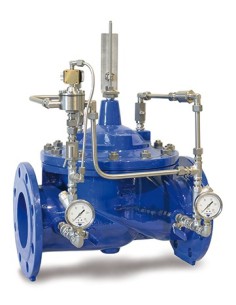
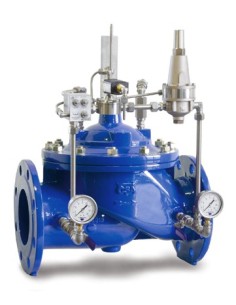
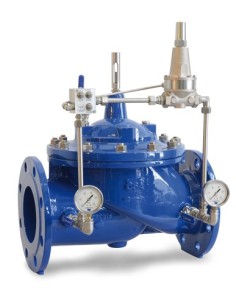
This category includes CSA XLC automatic control valves for pressure relief, surge anticipating, and pump control duties, with versions such as XLC 320/420-R, XLC 321/421, XLC 390/490, and XLC 392/492, including double-chamber and PN40 configurations. Available constructions include DIN standard flanged connections, ductile iron body, and pressure classes PN10, PN16, PN25, and PN40.
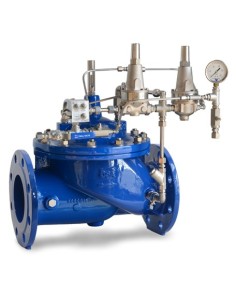
The XLC 320/420-R is an upstream pressure relief valve installed on a bypass from the main line to discharge excessive upstream pressure when it exceeds the set value. Typical applications include downstream of pumps, after pressure reducing stations, or on industrial equipment where pressure excursions must be limited within defined operating conditions.
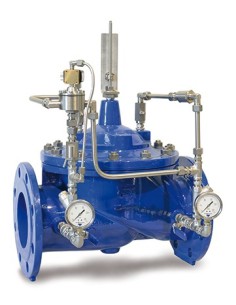
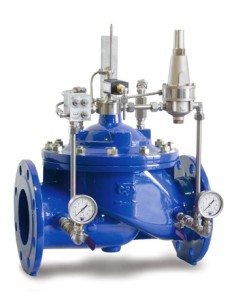
The XLC 321/421 operates as a surge anticipating valve with two pilots and hydraulic accelerators, allowing response both to pressure rise and to the low-pressure transient associated with sudden pump shutdown following power failure. The XLC 390/490 and XLC 392/492 function as active check or pump control valves, isolating the pump during start-up and shutdown sequences; the 392/492 also maintains a minimum upstream pressure.
Maintenance should include inspection of pilot lines, hydraulic accelerators, strainers, needle valves, flow stabilizers, diaphragm, seat, position indication, and verification of actual setpoint under flowing conditions. Entrained air, particulate contamination, or incorrect sizing can cause delayed response, instability, or insufficient attenuation of surge pressure. Material compatibility, leakage class, and operating temperature limits should also be checked against the service medium and site conditions.