
Air Filters
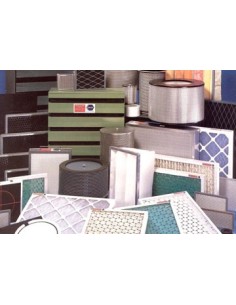
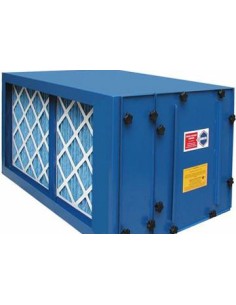
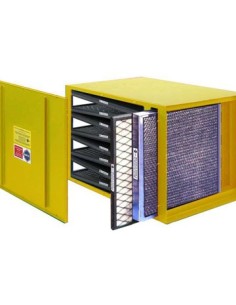
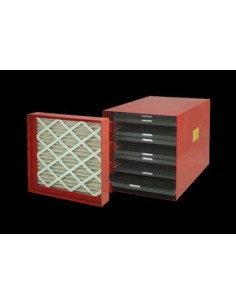
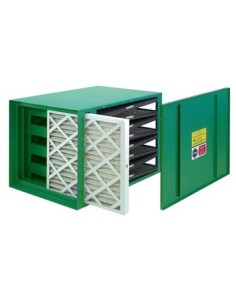
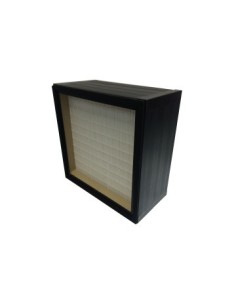
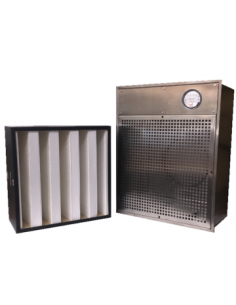
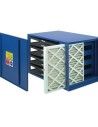
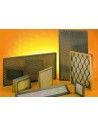
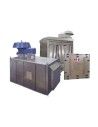
Industrial air filters are used for air treatment in HVAC systems, process ventilation networks, safety enclosures, pharmaceutical facilities, containment units, and dedicated NBC/CBRN systems. Filter selection is based on airflow rate, allowable pressure drop, particle retention efficiency, contaminant type, operating temperature, humidity, sealing requirements, and the defined filter replacement procedure.
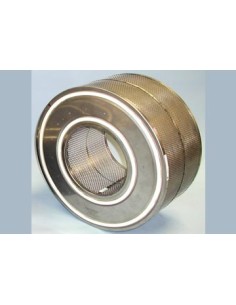
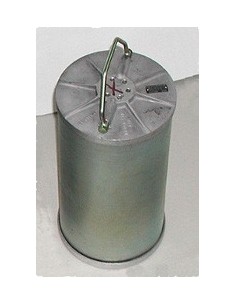
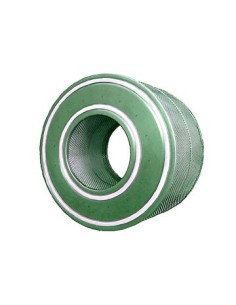
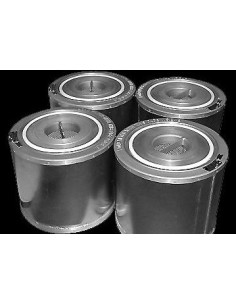
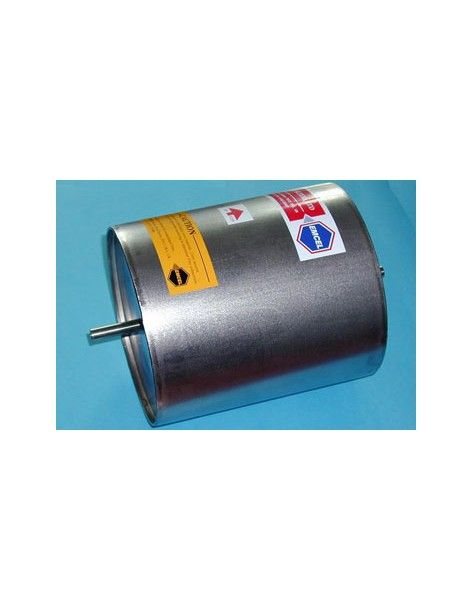
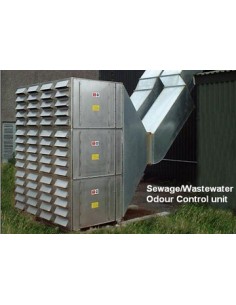
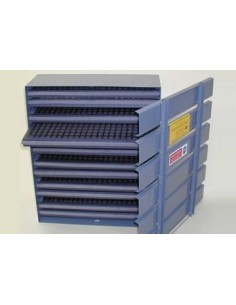
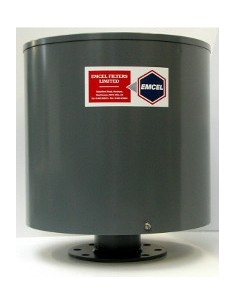
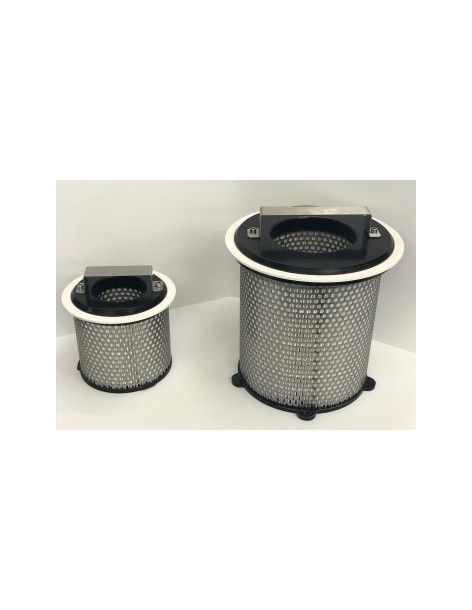
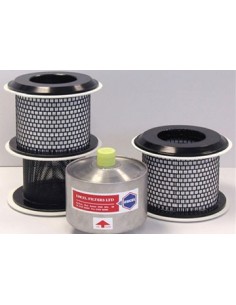
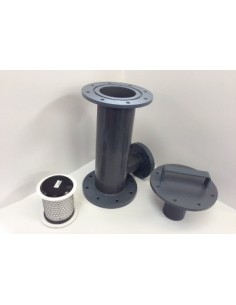
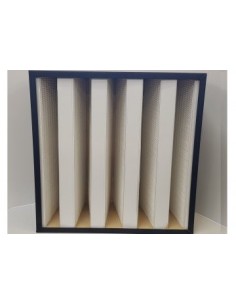
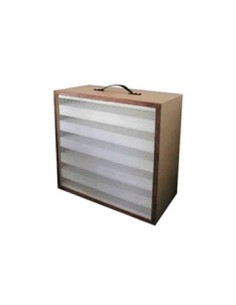
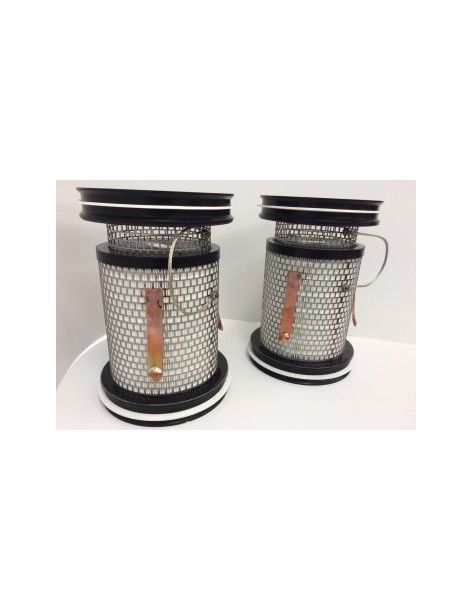
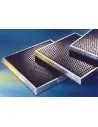
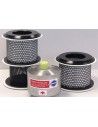
The category includes HEPA filters and particulate retention elements for fine dust, aerosols, and suspended solids, used in terminal housings, cylindrical elements, HEPA canisters, push-through housings, and high-cleanliness air handling systems. For gaseous contaminants, activated carbon filters, deep-bed adsorbers, and special media arrangements are applied for odor control, VOC removal, atmospheric pollutants, CO₂ treatment, or tank vent breathing service.
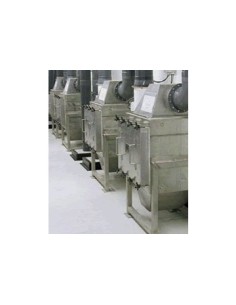
In CBRN, nuclear, or containment ventilation duty, the technical assessment should include filter class, adsorbent media type, sealing configuration, safe-change capability, contaminated filter handling, and compatibility with leak-test protocols. In pharmaceutical and clean area applications, critical parameters include filter integrity, in-situ testability, upstream prefiltration, and maintenance of stable differential pressure across the filtration stage.
Maintenance is typically based on differential pressure monitoring, inspection of housing and gasket leak tightness, and replacement when dust loading or adsorptive capacity reaches the design limit defined by the operating study.