
NBC / CBRN Filters
NBC/CBRN filters are used in collective protection systems, positive-pressure ventilation units, military or special-purpose vehicles, shelters, control rooms, laboratories, test facilities, mail rooms, and decontamination stations. Their operating principle combines mechanical particulate filtration with adsorption of gaseous contaminants through specially impregnated activated carbon, covering biological agents, radioactive aerosols, chemical vapors, and TICs (Toxic Industrial Chemicals).
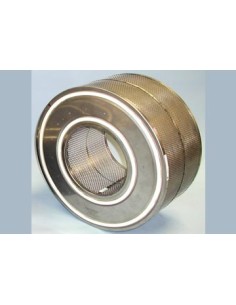
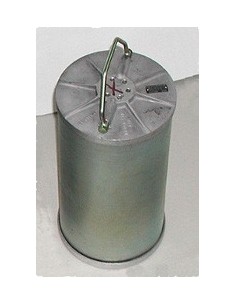
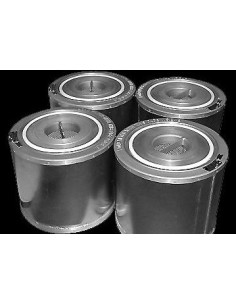
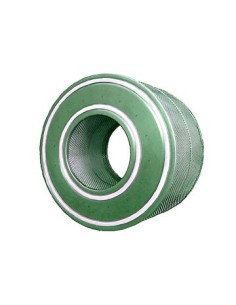
The category includes NATO/CBRN radial filters, TIC filters, vehicle filters, AEP54 filters, prefilters, and safe-change units. Radial filter elements provide increased filtration area within a restricted envelope and are selected where pressure drop must remain within defined limits at a specified airflow. As a reference point, NATO radial versions are commonly rated at 300 m³/h per filter, while the No.5 Mk.4 type is intended for space-constrained installations with a nominal airflow of 85 m³/h.
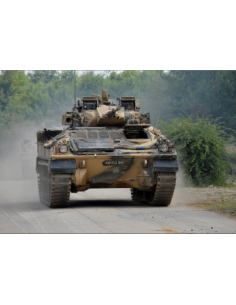
For vehicle and AEP54 applications, filter selection should be based on compatibility with the installed CBRN protection system, required airflow, allowable final differential pressure, expected exposure duration, HEPA stage specification, and impregnated carbon type. Reference is made to AEP54 Version B Edition 1 requirements, with HEPA efficiency better than 99.997% under the BS3928 Sodium Flame test for biological protection duty.
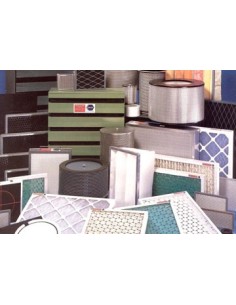
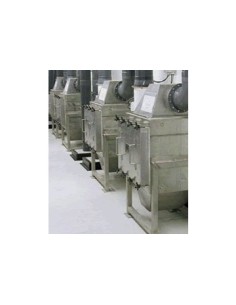
Prefilters are used to reduce dust loading on the main filter stages and may be configured as pleated panels, cylindrical foam elements, cyclone separators, metal mesh, coalescers, or combined RFI/particle elements. In contaminated environments, safe-change housings are used to limit operator exposure during replacement of HEPA and carbon stages. Maintenance procedures should include leak-tightness verification, correct change-out sequence, and documented service history to support exposure control and system integrity.