

Mechanically Actuated Valves

Mechanically actuated pneumatic valves are used in compressed air circuits where the switching command is generated by direct mechanical contact rather than by an electrical signal or pneumatic pilot. Typical applications include end-of-stroke position sensing, cycle feedback, machine controls, and local logic functions on cylinders, guides, feed systems, and pneumatic automation assemblies.

This category includes Hafner mechanical valves in 3/2, 5/2, and ATEX versions. The 3/2 valves are used for air signal generation in single-acting circuits, chamber exhaust, or NC/NO pneumatic control functions. Available actuation forms include stem actuated valves, roller lever valves, roller lever valves with idle return, and pull-type stem actuated valves. Connection options include M5, G 1/8", G 1/4", or Ø4, with flow rates in the range of approximately 115 to 1250 l/min and operating pressures up to 10 bar, depending on the model.

The 5/2 valves are primarily applied for control of double-acting cylinders and actuators where supply and exhaust must alternate between two working ports. Versions include stem actuated, roller lever, and roller lever with idle return designs, with M5 or G 1/8" connections, flow capacities from 125 to 1250 l/min, and spring return or monostable operation depending on series design.

ATEX versions cover mechanical stem valves and panel-mounting valves intended for use in potentially explosive atmospheres. Listed configurations include 3/2 and 5/2 types with G 1/8" connections, 280 l/min nominal flow, operating pressure from -0.9 to 10 bar, 14 N actuation force, and spring-based mechanical return. Selection for hazardous areas should be verified against the applicable ATEX zone classification and installation requirements.

Valve selection should consider actuation direction, available striker travel, required actuation force, cycling frequency, air quality, port orientation, NC/NO function, and resistance to dust ingress or mechanical loading. Maintenance checks typically include spool condition, spring return, seal wear, port contamination, leakage, and correct reset after mechanical actuation.

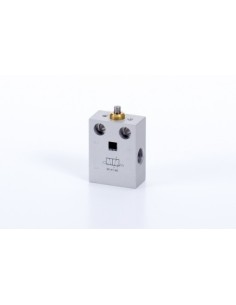
Mechanically Actuated Valves - 3/2 Way Valves | Hafner

Mechanically Actuated Valves - 3/2 Way Valves | Hafner
Hafner 3/2 Mechanical Air Valves Hafner 3/2 mechanical valves are used for pneumatic signal control or single-acting cylinders where actuation is achieved via mechanical contact, not by solenoid or air pilot. The valve features a supply port, output port, and exhaust port, allowing the actuator to be pressurized or vented depending on the actuation...
Mechanically Actuated Valves - 5/2 Way Valves | Hafner

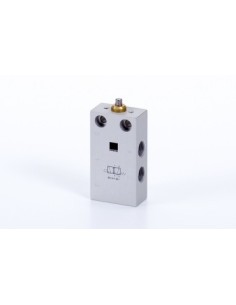
Mechanically Actuated Valves - 5/2 Way Valves | Hafner
Hafner 5/2 Mechanical Air Valves Hafner 5/2 mechanical valves are used for controlling double-acting pneumatic cylinders where actuation is triggered by mechanical contact—such as a plunger, roller lever, or machine cam. The five-port, two-position configuration alternates supply and exhaust between the two cylinder chambers, enabling bidirectional motion...

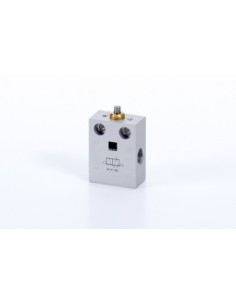
ATEX Valves - Mechanically actuated valves | Hafner

ATEX Valves - Mechanically actuated valves | Hafner
Hafner ATEX Mechanical Air Valves Hafner ATEX-certified mechanical valves are specified for pneumatic circuits in hazardous areas where actuation must be mechanical rather than solenoid-based. These valves are suitable for end-of-stroke detection, mechanical interlocks, and pneumatic sequencing in environments requiring ATEX documentation and compliance....
Showing 1-3 of 3 item(s)