
Butterfly Valves
Fire protection butterfly valves are used as isolation valves in sprinkler networks, fire pump lines, hydrant systems, and fire suppression zones where the line must be either fully open or fully closed. They are not intended for continuous throttling service. The primary technical requirements are low pressure loss in the open position, tight shutoff in the closed position, and clear indication of valve position.
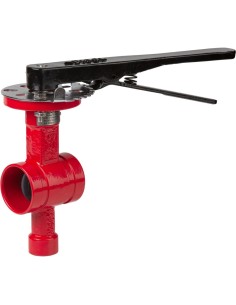
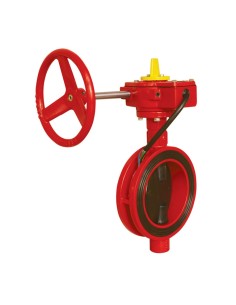
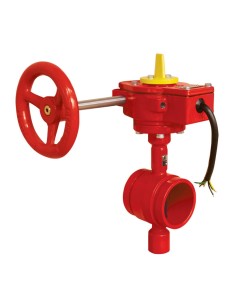
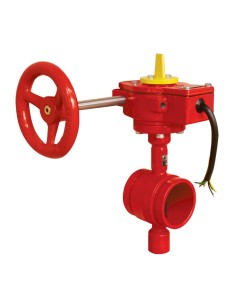
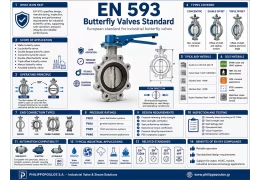
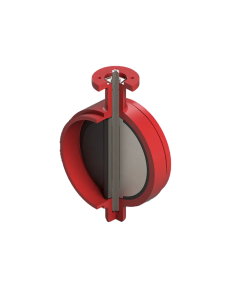
This category includes Genebre butterfly valves with grooved ends, types 2120 and 2120D, as well as gear-operated versions with limit switches, types 2113, 2114, and 2114D. Type 2113 is a wafer design for PN 10/16 and ANSI Class 150 service, while 2114 and 2114D are supplied with grooved ends in accordance with AWWA C606. Versions equipped with limit switches allow electrical supervision of open/closed status from a fire alarm panel, BMS, or other supervisory control system.
Genebre valves are specified with a ductile iron GGG.40 body, ductile iron disc with EPDM lining, API 609 design basis, 300 PSI working pressure, and operating temperature range from 0 to +80 °C. Types 2113 and 2114 are listed with UL/FM approval, which is a key requirement in fire protection installations where the design specification calls for approved components.
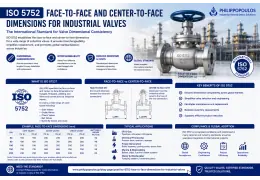
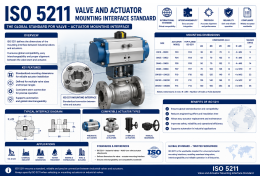
The same category also includes a TTV butterfly valve with grooved ends, size range DN50 to DN300, maximum working pressure 16 bar, face-to-face dimensions in accordance with MSS SP-67, ISO 5211 top flange, and seat leakage testing to ISO 5208 / API 598 for zero visible leakage. Grooved coupling construction allows installation in fire protection pipework without welded flanges, provided pipe groove geometry, coupling rating, and system design pressure are verified for compatibility.
Selection should consider network pressure, end connection type, UL/FM approval requirements, EPDM seat compatibility, position supervision requirement, operating torque, gearbox accessibility, and the need for periodic functional testing.