
Pharmaceutical Filters
Pharmaceutical air filters are used in HVAC systems for cleanrooms, GMP production areas, laboratories, weighing rooms, containment applications, and chemical or biotechnological manufacturing facilities. Filter selection is not determined only by filtration class, but by the overall air-handling arrangement: supply airflow, differential pressure, prefiltration stages, air-change rate requirements, airflow direction, cross-contamination control, and the ability to perform integrity testing.
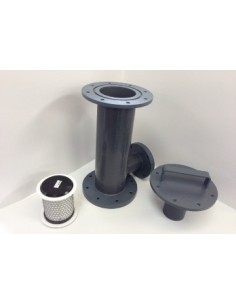
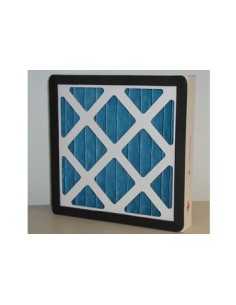
The category includes panel and bag prefilters for upstream dust loading reduction before final stages, minipleat filters for fine particulate removal ahead of HEPA sections, HEPA filters in panel or cylindrical configuration, activated carbon filters for gaseous contaminants and odour control, and safe-change units for duties where filter replacement must be carried out with limited operator and environmental exposure. Prefilters are typically specified in G2/G3, G4, and F6-F8 classes in bag or pleated panel construction, while HEPA elements can be manufactured either as replacement parts for existing housings or to suit a new equipment design requirement.
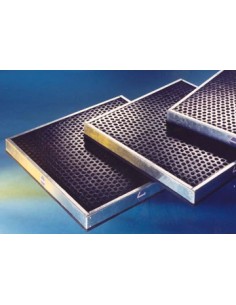
For gas-phase contamination control, activated carbon filters use deep-bed cells and a flow path configured to increase residence time, making them suitable for organic vapours, toxic pollutants, and process odours generated in pharmaceutical or chemical operations.
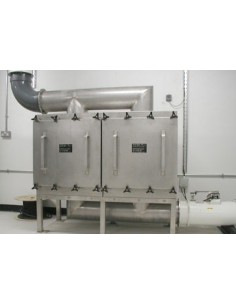
In critical service, safe-change units should be assessed as a complete containment assembly: housing material, typically stainless steel, bag-in/bag-out handling procedure, leakage tightness, DOP testing, CE marking, ATEX compliance where required, weld documentation, and compatibility with elevated temperature, negative-pressure duty, or corrosive air streams.